Low-Carb Rye Bread
 Martina Slajerova
- Ready in 1h 15m
- 1.8 g net carbs
- 256 kcal
- Serves 16
This post may contain affiliate links, see our disclaimer.

As you may have guessed, there is no rye used in this bread - I avoid using any sort of grains. Instead, this recipe relies on flaxmeal and coconut flour. I've never really liked the taste of most flax breads, but this one tastes great! It made me realise how little changes make a big difference. It tastes great with grass-fed butter or cream cheese on top and it's perfect when toasted or made as "panini".
The credit for this recipe goes to Ben Blau, one of my Facebook followers. Ben has lost a total of 82 pounds in 10 months following a strict very low-carb diet. I included his inspiring story at the end of this post, so don't forget to check it out!
This bread is naturally high in fat and low in carbs, so for breakfast, I added some healthy protein and made a great tasting panini with tuna & spring onion! Remember, protein is naturally filling, so adding moderate amounts to your diet will help you stay sated.
Compared to regular bread, it will always be a bit moist. To remove the moisture, you can simply toast it. If the full recipe is too much for you, make half the batch or keep some in the freezer.

Here is what Ben says about his recipe:
"Even though the toasted sesame oil is an Asian ingredient, it doesn't make the bread taste Asian. That's what really gives it a more bread-like flavour, along with the caraway. The combination tastes something like the type of rye bread they serve in American Jewish delicatessens. I don't make the flax bread anymore, but for a while it was kind of a staple for me. I no longer crave anything like bread, but back when I did, the flax bread allowed me to have things like toast and sandwiches. It's great if you leave it under the broiler for a few minutes!"
Tips & Substitutions
Instead of gluten-free baking powder, I used my own gluten-free baking mix: 1 tsp baking soda added to the dry mixture + 2 tsp cream of tartar added to the egg whites.
Make sure you use a kitchen scale for measuring all the dry ingredients. Using just cups may not be enough to achieve best results, especially in baked goods. Weights per cups and tablespoons may vary depending on the product or brand or if you make you own ingredients (like flaxmeal from flaxseeds).
I used a large loaf pan so make sure it fits into your pan or use half of the recipe.
I've tried this recipe using almond flour instead of flax and I guess it's a matter of preference but I liked the taste of flaxmeal more.
The egg whites and baking soda and cream of tartar help with the rising, while the vinegar, sesame oil and caraway seeds give it the right taste. Xanthan gum or chia seeds are used to avoid crumbling. This bread is definitely not as fluffy as most of my other "bread-like" recipes - just like you'd expect rye bread to be! If you prefer a lighter texture, use half of the egg yolks (or less) and substitute some of the flax with psyllium husk powder (~ 1 cup of flax with 1/4 cup of psyllium) and use hot water instead of warm to make sure it raises well.
You might also want to try other bread recipes on my blog!

Step-by-step
Move the oven rack to the centre position of the oven, and preheat to 190 °C/ 375 °F (conventional), or 170 °C/ 340 °F (fan assisted). Add the dry ingredients to a large bowl and thoroughly whisk to combine (ground flaxseed, coconut flour, caraway, baking soda, Erythritol, salt and xanthan gum or ground chia seeds). It is especially important to evenly distribute the xanthan gum (or ground chia seeds).

Separate the egg yolks from the egg whites and keep the egg whites aside. Add softened ghee or butter and toasted sesame oil into the eggs yolks. (Note: Although the original recipe doesn't ask for separating the eggs, I found that doing so makes the bread fluffier.)

Cream the egg yolks and the ghee (butter or olive oil) until smooth. In a separate bowl, whisk the egg whites with cream of tartar until they create soft peaks.

Add the dry mixture to the bowl with the egg yolk mixture and process well. It's a thick batter, and will come together slowly. Take the time to make sure everything is thoroughly mixed.

Add the vinegar and mix in well.

Add warm water and process until combined.

Add the egg whites and gently fold them in. Try not to deflate the batter completely.

Grease a large loaf pan with some ghee or butter and add the batter. Smooth the batter out evenly in the pan and "cut" it on top using a spatula to create a wave effect. If you use a silicon loaf pan, you won't need to grease it.

Bake for approximately 50-60 minutes (depends on the oven). When the bread is ready, remove from loaf pan to a cooling rack, and allow to cool thoroughly.

Slice thinly and enjoy!

It makes great toast under the broiler and it's delicious in sandwiches, panini, with grass-fed butter or cream cheese and as a dipping bread with extra virgin olive oil.

Recipe
Low-Carb Rye Bread
★★★★☆4.5This low-carb and gluten-free bread tastes like real rye bread. Just as delicious and savory as the real deal!
- Hands on
- 15m
- Overall
- 1h 15m
- Servings
- 16
- 1.8 g
- Net carbs
- 8.4 g
- Protein
- 20.8 g
- Fat
- 256
- kcal
Ingredients makes 1 loaf, about 16 servings
- Dry Ingredients:
- Wet Ingredients:
Instructions
Move the oven rack to the centre position of the oven, and preheat to 190 °C/ 375 °F (conventional), or 170 °C/ 340 °F (fan assisted). Add the dry ingredients to a large bowl and thoroughly whisk to combine (ground flaxseed, coconut flour, caraway, baking soda, Erythritol, salt and xanthan gum or ground chia seeds). It is especially important to evenly distribute the xanthan gum (or ground chia seeds).
Separate the egg yolks from the egg whites and keep the egg whites aside. Add softened ghee or butter and toasted sesame oil into the eggs yolks. (Note: Although the original recipe doesn't ask for separating the eggs, I found that doing so makes the bread fluffier.)
Cream the egg yolks and the ghee (butter or olive oil) until smooth. In a separate bowl, whisk the egg whites with cream of tartar until they create soft peaks.
Add the dry mixture to the bowl with the egg yolk mixture and process well. It's a thick batter, and will come together slowly. Take the time to make sure everything is thoroughly mixed.
Add the vinegar and mix in well.
Add warm water and process until combined.
Add the egg whites and gently fold them in. Try not to deflate the batter completely.
Grease a large loaf pan with some ghee or butter and add the batter. Smooth the batter out evenly in the pan and "cut" it on top using a spatula to create a wave effect. If you use a silicon loaf pan, you won't need to grease it.
Bake for approximately 50-60 minutes (depends on the oven). When the bread is ready, remove from loaf pan to a cooling rack, and allow to cool thoroughly.
Slice thinly and enjoy!
It makes great toast under the broiler and it's delicious in sandwiches, panini, with grass-fed butter or cream cheese and as a dipping bread with extra virgin olive oil.
Nutrition per serving, 1 slice
Carbs 3%Protein 15%Fat 82% of calories
- Net carbs
- 1.8 g
- Total carbs
- 9.9 g
- Fiber
- 7.5 g
- Sugars
- 0.9 g
- Protein
- 8.4 g
- Fat
- 20.8 g
- Saturated fat
- 7 g
- Calories
- 256 kcal
- Sodium
- 515 mg · 22.4% RDA
- Magnesium
- 86 mg · 21.5% RDA
- Potassium
- 337 mg · 16.8% EMR
Nutrition by ingredient
| Per 1 slice | Net carbs | Protein | Fat | kcal |
|---|---|---|---|---|
| Flaxmeal (flax meal), ground flaxseed | 0.3 g | 3.4 g | 7.9 g | 100 |
| Coconut flour, organic | 0.8 g | 1.3 g | 1.1 g | 28 |
| Caraway seeds, spices | 0.1 g | 0.2 g | 0.1 g | 3 |
| Baking soda | 0 g | 0 g | 0 g | 0 |
| Cream of tartar, raising agent | 0.2 g | 0 g | 0 g | 1 |
| Erythritol (natural low-carb sweetener) | 0 g | 0 g | 0 g | 0 |
| Chia seed meal (ground chia seeds) | 0.1 g | 0.4 g | 0.6 g | 10 |
| Salt, pink Himalayan rock salt | 0 g | 0 g | 0 g | 0 |
| Egg, whole, fresh, raw (free-range or organic eggs) | 0.2 g | 3.1 g | 2.4 g | 36 |
| Ghee | 0 g | 0 g | 6.9 g | 62 |
| Sesame oil, toasted | 0 g | 0 g | 1.7 g | 15 |
| Apple cider vinegar | 0 g | 0 g | 0 g | 1 |
| Water, still | 0 g | 0 g | 0 g | 0 |
| Total | 1.8 g | 8.4 g | 20.8 g | 256 |
Serving size 1 slice
- Gluten free
- Nut free
- Nightshade free
- Pork free
- Avocado free
- Coconut free
- Fish free
- Shellfish free
- Beef free
- Pescatarian
- Vegetarian
Ben's Story
Ben has lost 82 pounds and improved his health in just 10 months following a very low-carb diet. Ben's story is inspirational and proves that you can lose weight and improve your health following a healthy diet.
Keep in mind that very low-carb diets (aka VLC) may not work for everyone - some of you, like me, wouldn't do well on a diet with 20 or less grams of total carbs (or even net carbs per day). In my case, it's due to my Hashimoto's thyroiditis and that's why I try to stay above 30 grams of net carbs (following the advice of Dr. Broda Barnes). Here is a great post from lowcarbdietician.com that explains why VLC diets may not be suitable for everyone.
The ideal level of carbs varies from 20-50 grams of net carbs per day (or exceptionally even more). To learn more, read my posts here: Ketosis & Measuring Ketones and here: How Many Carbs per Day on Low-Carb Ketogenic Diet? and here: Types of Ketogenic Diets and the KetoDiet Approach.
When and why did you start eating low-carb?

I am not a medical professional, and suggest that before taking my advice that you do your own research to determine if you feel this approach is best for you. I have strong opinions about it, and believe it is the best possible way to eat not only for weight loss, but also for general health. But be aware that there are dissenting opinions, and that this diet is controversial in certain circles. If you do the research, you'll probably reach the same conclusion as I have, that this is truly the way to go.
I live in the United States near Detroit, Michigan. I am a recording engineer and professor of audio engineering for a major university and I'm 42 years old. Last January I found myself at 217 pounds (5'7"). I've struggled with weight issues all my life, but was never as heavy as that. Looking in the mirror, I thought I looked old, tired, and hopelessly out of shape.
---
How much weight have you lost?
On January 27 2013, I decided to change my way of eating. A friend of mine suggested the Tim Ferriss diet (4 Hour Body), which is what I started with. After doing the slow-carb diet for a couple of months, I switched to full keto. In a very short time span, I was down 50 pounds. After that, weight loss was a little less consistent and predictable, but the general trend was "down."
Today I am 135 lbs, so I've lost 82 in total.
---
What have you learnt about low-carb eating?
The first rule is to forget everything you know about diets. There is a long-standing hypothesis that fat loss is a matter of energy balance, in which "calories in" must be less than "calories out." In this traditional way of thinking, all calories are created equal, and we must burn more than we take in. Turns out, this is wrong.
Fat storage, and fat loss as well, are both principally regulated by hormones. There are many hormones that play a role, but the most important one to understand is insulin. Insulin is secreted by the pancreas, and its main purpose is to transport glucose (blood sugar) into cells. Glucose in the body comes from the breakdown of foods that we eat. The insulin transports this glucose into muscle cells (as stored glycogen), and also into fat cells, where it is essentially stored as fat. Glucose is also the normal energy source for the brain, when people eat the Standard American Diet.
A normal human bloodstream contains the equivalent of about a teaspoon of sugar. However, certain foods we eat flood the bloodstream with many times this amount. The pancreas tries to compensate by secreting more and more insulin to clear the glucose from the blood. In so doing, a disproportionate amount gets transported to fat cells, and is stored there. Eventually, the cells become resistant to the effects of insulin, and the pancreas overcompensates even further by secreting more.
One of the primary effects of insulin is to signal the body to store fat. When your insulin is elevated, fat storage is inevitable. When your insulin levels are controlled and kept low and stable, it signals the body to release fat. In people who are overweight, insulin levels are often chronically high, and their bodies are insulin resistant. This is called metabolic syndrome, and is associated not only with being fat, but also diabetes and a host of other health problems.
The reason people experience spikes in insulin which leads to fat accumulation is the sugars and carbohydrates they consume. Sugar in any form will do this, whether it is table sugar, honey, fruit, juice, naturally occurring sugars in some vegetables, or sugar additives in food such as high fructose corn syrup, dextrose, natural lactose found in milk and cheese, etc. Also, carbohydrates and starches are broken down by the body as sugar. There is literally no difference between consuming a tablespoon of white sugar and consuming a tablespoon of potato, as far as the effects in blood glucose and insulin are concerned.
The very best way to reverse this process is to adopt a zero sugar, very low carbohydrate way of eating. When we consume zero sugar and very low carbs, the body enters a special fat-burning state called ketosis. (Note - Do not confuse this state with ketoacidosis, which is dangerous.) Ketosis changes the way energy is provided to the brain. If there are no sugars or carbs ingested to be broken down into glucose, the body requires an alternate source of energy, namely the ketones that are stored in fat. This fat must be mobilized to make the ketones available to fuel the brain. This fundamentally changes your metabolism from a carb-burning metabolism to a fat-burning metabolism.
Ketosis can be achieved by avoiding certain foods, and keeping your carbohydrate intake limited to no more than 20 grams per day.
---
How fast was the weight loss?
If you follow this diet, you can expect to lose somewhere between 10-30 pounds within the first month. After that, your weight loss will probably slow down to about 1-2 pounds per week. During that phase, many people on this diet begin to refine their eating habits by experimenting with certain foods to determine what their bodies are sensitive to. There will be plateaus, where you don't see the scale moving for a week or two or sometimes longer. It is important not to be concerned about this. Fat loss is not a linear process, and the rate at which you lose will naturally fluctuate. Your body is still in the process of recomposing itself. Sometimes you might even see the scale go up. This can be attributed to muscle gains, and water retention. In females, this is likely to coincide with their "time of the month," but can also be caused by certain foods that cause water retention. Excessive sodium intake can cause this as well.
---
Have you encountered any issues during your low-carb journey?
As of early September, I had lost something like 70 pounds, but was stalled. I only needed to lose a little bit more to get to my goal, so I decided to experiment with fasting. I've been doing a water fast that begins on Sunday night and ends on Wednesday afternoon (about 64 consecutive hours) once per week. That broke my stall, and allowed me to lose the rest of the weight. Today I am 135 lbs.
There are a few other things to expect. Many people, during the initial two weeks, experience a phenomenon called "keto flu." As your body adapts to ketosis, you may feel tired, and have "brain fog." This will pass. Once you're past this point, you will feel great, with lots of energy and very clear mental focus. If you get the keto flu, it's just a sign that changes are happening in your body, and that it is working. To avoid the symptoms of keto flu altogether, increase your electrolytes for the first couple of weeks, especially sodium. The best way to temporarily increase your sodium is by using salty, homemade bone broth (eat without starchy vegetables).
Also, during the initial weeks, it is likely that you will experience intense carb cravings. You will want to eat all the forbidden foods more than ever. The key to making these cravings disappear is to completely abstain from them for about two weeks. Allowing yourself "a little bit of fruit," for example, will actually stimulate your carb cravings and make it worse. It is imperative that you are strict, or you will likely cave in and the diet will not work. This is the only time during the diet that you will feel this temptation. Once you are "keto-adapted," you will no longer crave crabs.
Expect to encounter resistance by your friends, family, and even your doctor. There is a lot of misinformation on low carb diets that is thought to be common knowledge, yet is still wrong. Most doctors are not properly trained to understand this way of eating, and their training comes from flawed research done in the 1930s. There is much newer science on this. Seek out a naturopath who is not inherently against low carb diets, as many general practitioners are as a knee-jerk reaction.
I've only described my diet as best I can, but there is much more information regarding its safety, effects on overall health and nutrition, and effectiveness available. By far, the best resource I've come across is the book Why We Get Fat, by Gary Taubes.
---
What does your diet look like these days?
I don't ever crave carbs anymore. In fact, I eat extremely low carb. Most days, I consume fat and protein only. If I do have any carbs, it's in the form of spinach (raw) or asparagus (grilled or roasted). I use heavy cream in my coffee about three or four days per week, black the rest of the time. I like to eat grass fed steak, lamb chops, roasted turkey, rotisserie chicken, Applegate Farms organic grass fed roast beef, and an awesome fish curry that I make. I eat a lot of turkey, which I believe is a good source of selenium.
What I avoid is nuts. They set off cravings. I had to make a conscious decision to keep all nuts and nut butters out of my house.
Here are some guidelines for "zero-carb" eating:
Absolutely no sugar, even in trace amounts. Consume no fruit at all, no fruit juice, no candy, no honey or agave nectar, and no starchy vegetables (like carrots, for example). Even items like store bought pickles often contain sugar. You have to be diligent. (Note - sometimes it is difficult to detect sugar in ingredient labels. Anything that ends in "ose," such as "dextrose" is a sugar. So is "evaporated cane juice.")
No grains, and no products made from grains (no flour, granola, oatmeal, rice, quinoa, cereal, bread, pasta, etc.)
No alcohol. Alcohol suspends or delays fat burning, as the body will process it before it processes fat.
Eliminate gluten, if possible. Also, try to identify any other food sensitivities you may have and avoid those foods as well.
Eliminate all soy products. Soy contains phytoestrogens, and can wreak hormonal havoc on the body. If you take supplements, make sure they're soy-free.
Certain types of dairy are permitted: whole butter and full fat heavy cream. These are almost entirely fat, and there is very little lactose. Regular milk, even skim milk, is not allowed due to the high lactose. This also goes for yogurt. Don't eat it. Clarified butter or ghee is best, because the milk solids are removed which further reduces the lactose content. As you progress in the diet, you might be able to reintroduce certain cheeses at some point, but it is important to research which cheeses are the lowest in lactose, and then experiment to see if you can tolerate them without having them spike your insulin and cause weight gain. Be very careful with the allowed dairy. It's easy to go overboard with it, and can cause cravings and hunger pangs. I suggest avoiding it altogether until your weight loss is well established, and then you can experiment with it to see how it affects you.
Try to keep your total carbohydrate grams at or below 20 grams per day.
Prioritize consuming fats and proteins with each meal. It is important not to avoid fat when doing this diet. Do not remove the skin from chicken. Do not trim the fat from steaks. Also, do not be concerned about consuming saturated fat, such as bacon, butter, heavy cream, and even lard. All meats and fish are allowed (though grass-fed beef and wild, oily fish are best), but avoid processed meats which often have additives that can stall fat loss. Processed meats are also very high in sodium and nitrates, which can lead to severe water retention, which can mask fat loss. Also, watch out for things like gravy, barbecue sauce, and sugary condiments like ketchup. All these things may seem harmless at first, but the starch in gravy and the sugar in the other condiments is enough to elicit a large insulin spike in the body, and keep the diet from working properly.
Opt for healthy fats: use abundant amounts of macadamia oil, avocado oil, and extra virgin coconut oil in your cooking. Avoid trans-fats and hydrogenated oils. If you use extra virgin olive oil, make sure it's never heated. Use it as a drizzle for flavor, and in dressings. Clarified butter, beef tallow, bacon grease and lard (!) are also good choices for cooking. When it comes to PUFA, omega-3 fatty acids should be higher than omega-6. I try to ensure this by eating sardines and grass fed beef.
Consume 30 grams of protein within 30 minutes of waking up. This is best sourced from meat, fish, eggs (including yolks), or some combination thereof, as opposed to coming from a protein shake.
Do consume certain vegetables. Dark leafy greens such as spinach and kale are ideal. Other options include broccoli, cauliflower, asparagus, Brussels sprouts, etc. Watch out for certain fruits that masquerade as vegetables, such as tomatoes which contain more carbs.
Do not drink your calories. Absolutely no soda. Even diet sodas are harmful. Artificial sweeteners, while they contain no calories, can cause insulin spikes just as easily as real sugar. They also destroy the healthy bacteria in our digestive systems which can impair a healthy metabolism. Drink only water, and unsweetened tea or coffee.
Address any stress and/or sleep problems you may have. High stress and poor sleep are associated with high cortisol levels, which in turn is associated with abdominal fat accumulation.
I do take certain supplements. Here's my regimen:
- Decaffeinated green tea extract (helps with fat burning and is a great antioxidant)
- Phosphatidylserine derived from sunflowers, not soy (reduces cortisol, a stress hormone which is associated with abdominal fat accumulation), B stress formula vitamins
- Nature's Way Alive Once Daily (multivitamin that contains extra antioxidants)
- Probiotics (better digestion), turmeric extract (anti-inflammatory), cinnamon (helps keep your blood glucose from spiking)
- Fish oil (brain and heart health, as well as having anti-inflammatory effects)
- Chromium (keeps blood sugar levels even and controlled)
I'd like to thank Ben for sharing his story and experience on my blog. I hope you all enjoy his recipe as much as I have!
Serve it with
Dishes that go well with low-carb bread.
Instant Pot Broccoli Cheese Soup
Keto Instant Pot Chicken Enchilada Soup
The Creamiest Low-Carb Vegetable Soup

Anti-Inflammatory Egg Drop Soup
Keto Ranch Chicken Salad
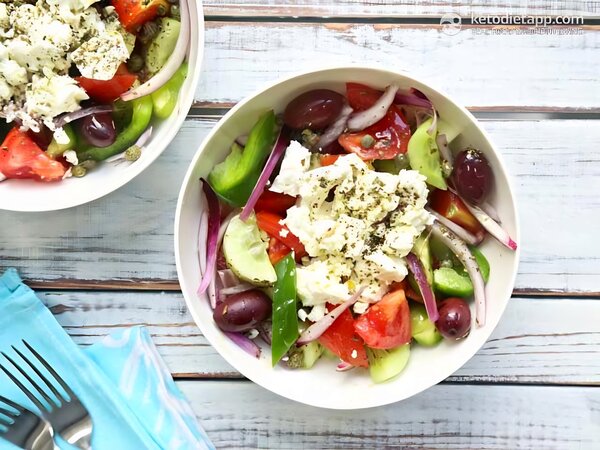
Authentic Greek Salad
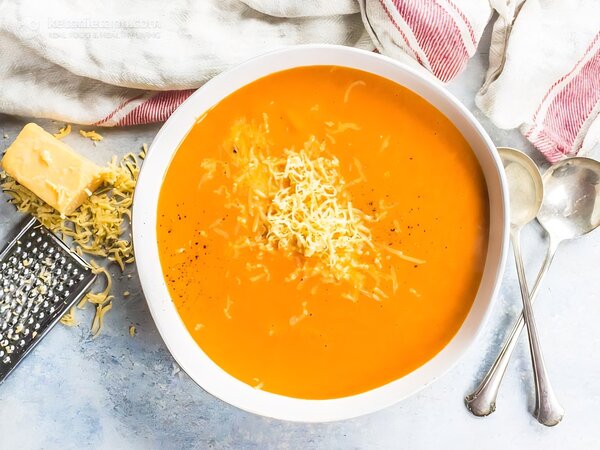
Cheesy Low-Carb Tomato Soup

Low-Carb Instant Pot Clam Chowder
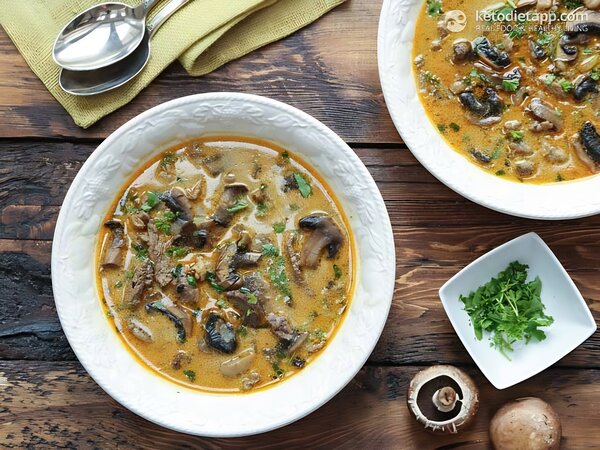
Keto Beef Stroganoff Soup

Instant Pot Mexican Chicken Fajita Soup
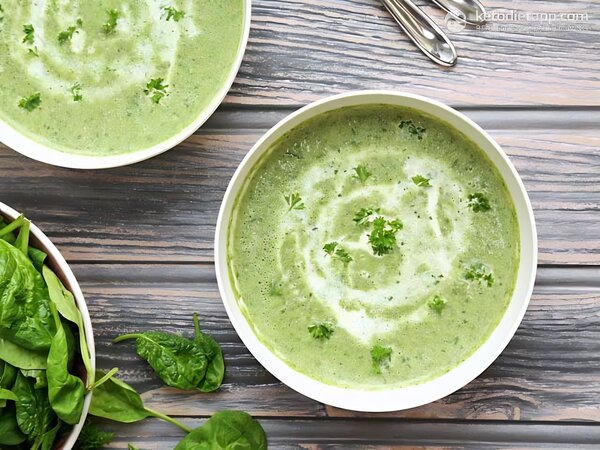
SuperFood Keto Soup
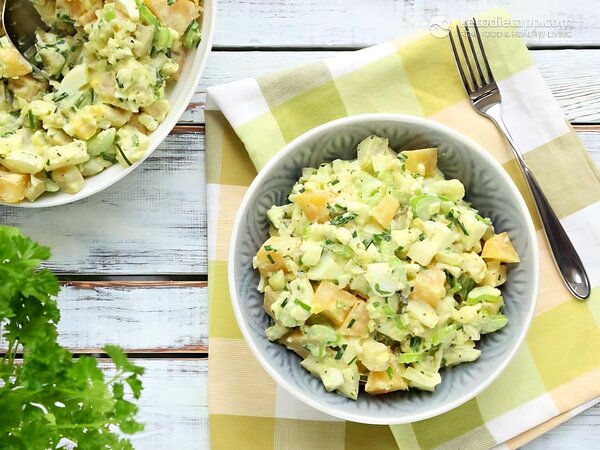
Low-Carb "Potato" Salad
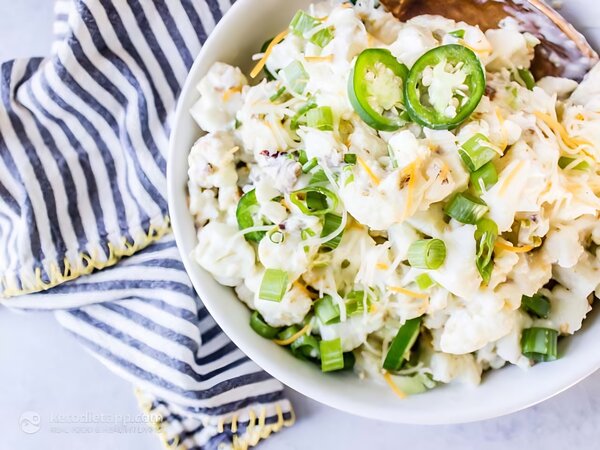
Keto Jalapeño Popper Potato Salad

Low-Carb Thai Hot and Sour Shrimp Soup
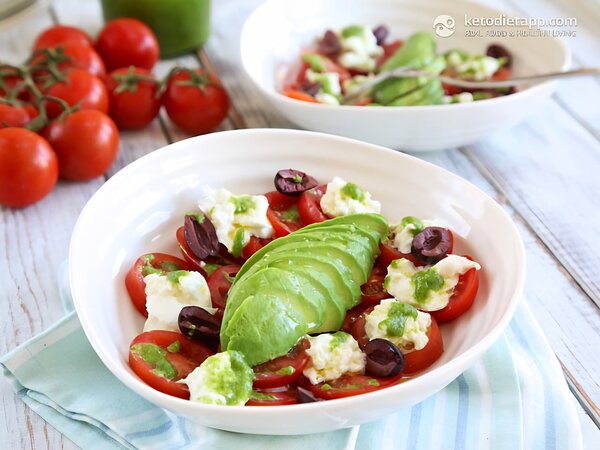
Classic Tricolore Salad
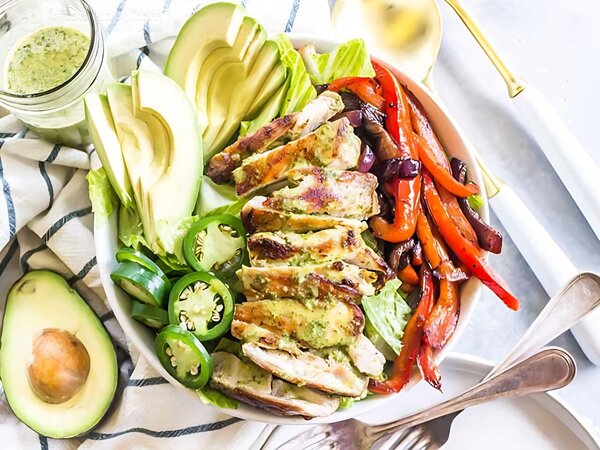
Low-Carb Chicken Fajita Salad
You may also like
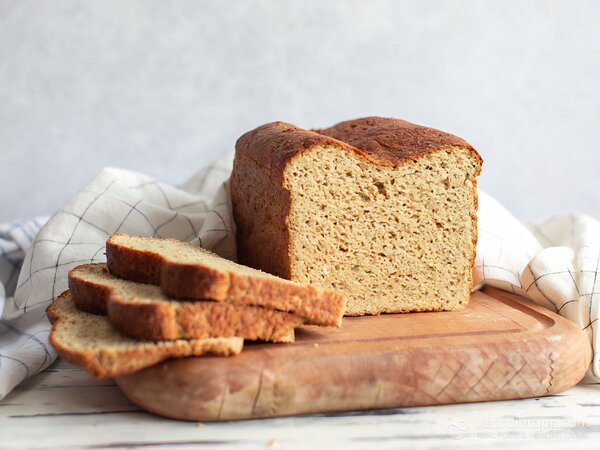
The Best Low-Carb Yeast Bread
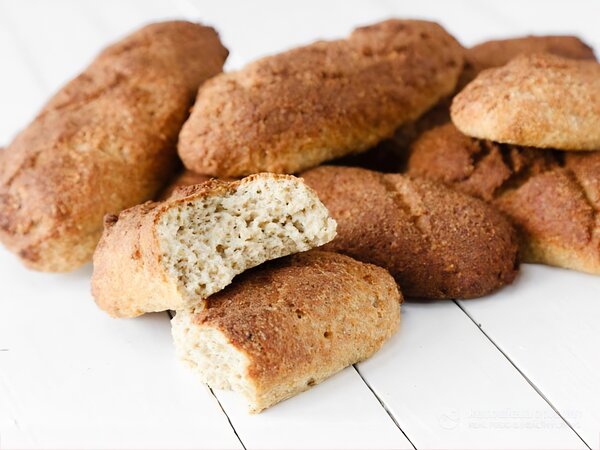
Sourdough Keto Baguettes
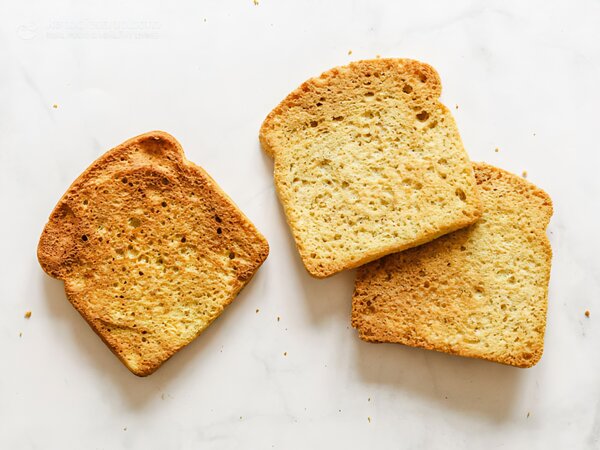
90 Second Keto Bread
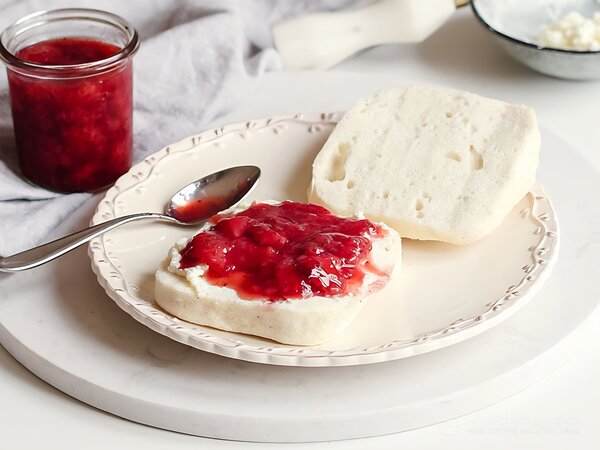
90 Second Keto White Bread
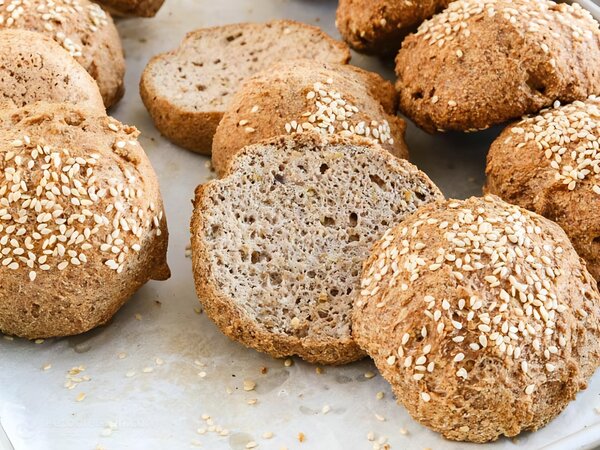
Ultimate Keto Buns
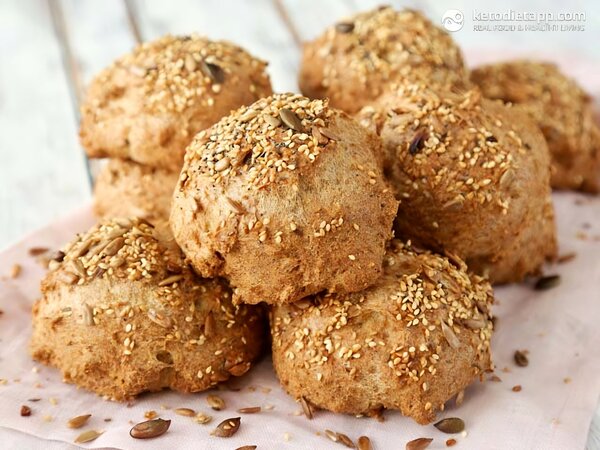
Nut-Free Keto Buns
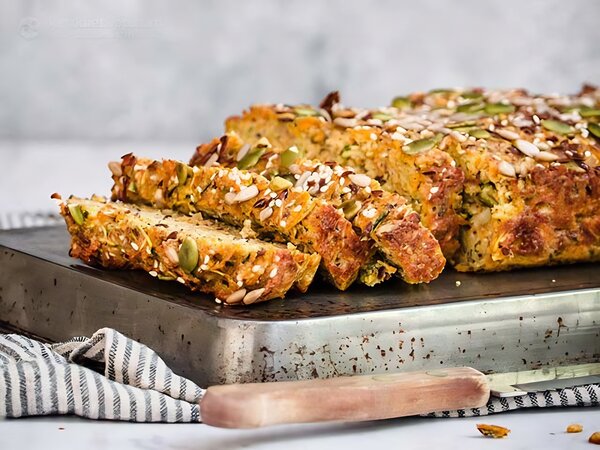
Savory Keto Veggie Loaf
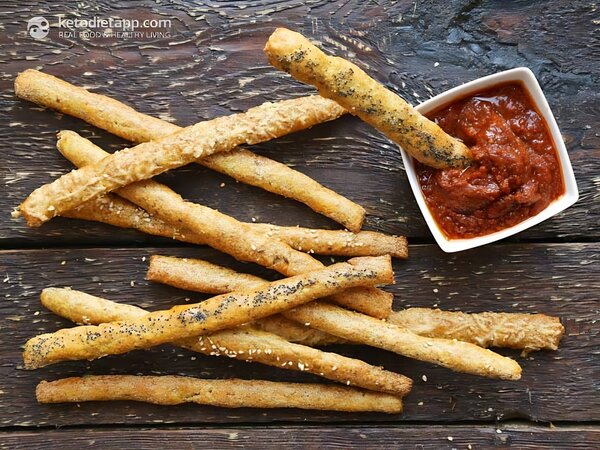
Ultimate Keto Breadsticks
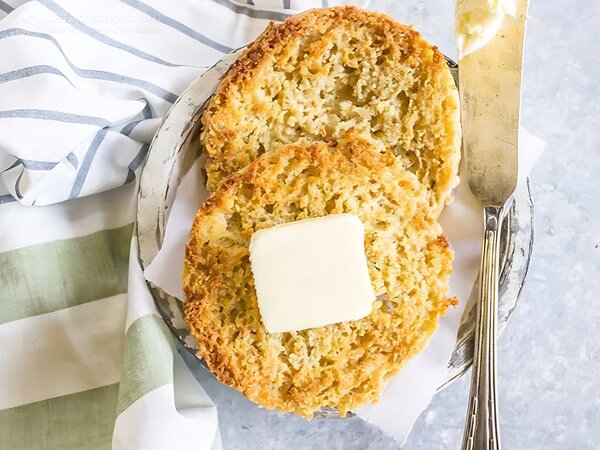
Quick Keto Eggless English Muffin
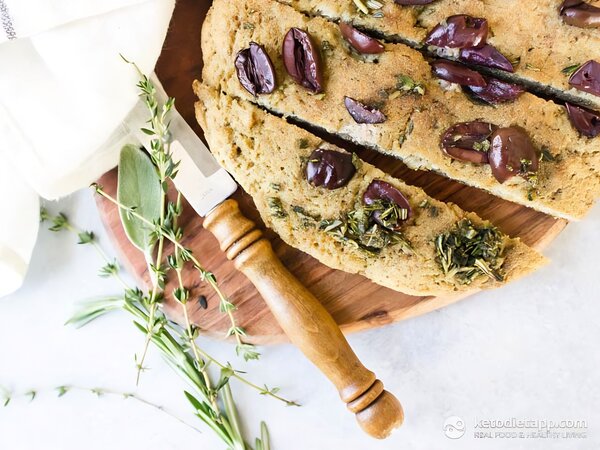
Keto Olive & Herb Focaccia
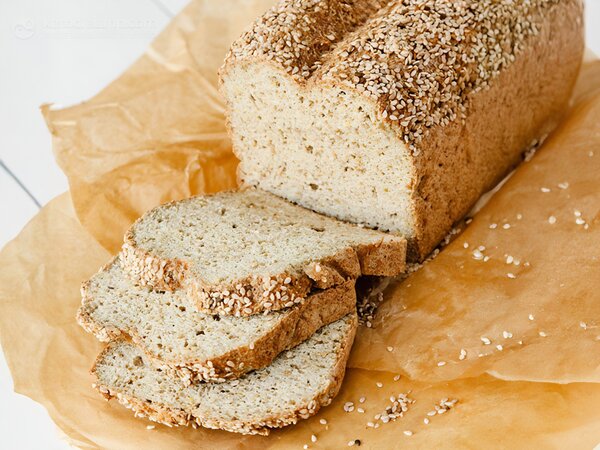
The Best Low-Carb & Paleo Bread - The Ultimate Guide
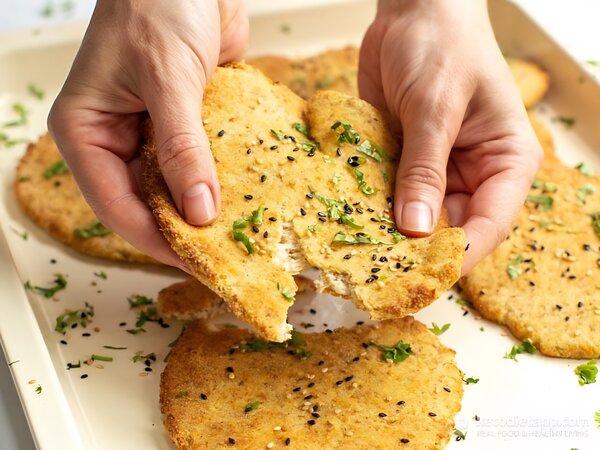
Low-Carb & Keto Naan Bread
Psyllium-Free Low-Carb Bread
Keto Jalapeño Cheese Bread
The Best Ever Keto Chaffles
Pesto Pull-Apart Low Carb Bread
Comments & ratings (56)
Dear Keto community. Rye is a grain. Stop calling things what they are not. Call it "Mock Rye" if you want, but calling something "Rye Bread" when there is zero rye in it, it violation the basic rule of "Truth in Advertizing." We don't accept that in the commercial world for a reason.
Dear Tony, thank you for the interesting linguistics lecture, you seem to have a lot of time on your hands. For now, I'll keep using the words "low-carb" and "keto" because I know that most people will get it.
Allow me to reiterate: Rye is RYE, and this is most assuredly NOT RYE.
More to the point:
21 U.S. Code § 343 - Misbranded food
A food shall be deemed to be misbranded—
(a)False or misleading label
If (1) its labeling is false or misleading in any particular, or (2) in the case of a food to which section 350 of this title applies, its advertising is false or misleading in a material respect or its labeling is in violation of section 350(b)(2) of this title.
(b)Offer for sale under another name
If it is offered for sale under the name of another food.
(c)Imitation of another food
If it is an imitation of another food, unless its label bears, in type of uniform size and prominence, the word “imitation” and, immediately thereafter, the name of the food imitated.
Dear Tony, I don't usually approve comments like yours simply because they are ridiculous and add zero value to anyone else reading this. But I thought it could be useful to show an example of what food bloggers have to deal with from time to time.
It's astonishing that you wasted so much time doing this. Wherever this rage and entitlement are coming from, you should find better ways to use them. Pasting unrelated §§ merely resulting from a Google search doesn't make your point valid. Misbranded food? Oh dear... Surely you must understand the difference between an actual product sold to consumers and a recipe that's freely available online... or not. I rest my case here. Go complain about free content elsewhere, no one is forcing you to stay.
Tony,
Most people subscribed to these blog are looking for keto recipes. No food grains are allowed on keto. Hence The is a grain we know the ingredients will not include rye, we are very fine with that, and happy with a substitute that might taste like rye to some extent. Please understand the purpose of this blog, it is very important for us. Thanks
I first tried this recipe about 18 months ago. I thoroughly enjoyed it.
It has the delicious taste of “real rye bread” which has been a lifelong favorite of mine. I love being able to have bread again.
At first I made a huge mess in the kitchen. Over time, I got organized and can now prepare it in less than an hour, not including bake time. Now I try to have it on hand at all times. A loaf lasts me about a week. I slice it after it has cooled sufficiently and store it in the freezer.
I'm glad you enjoyed Ken, I keep mine in the freezer too. I only leave as much as I need for 2 days as it tastes better that way.
Made this today and it tastes really good thanks. The only problem I had was it didn’t raise much. Any idea why that maybe? I added 1 tablespoon + 1 teaspoon of baking powder to the dry mix and added 2 teaspoons of cream of tartar to the egg whites. Thanks for the recipe, I shall be making it again.
Hi Alex, this bread doesn't rise as much - it is meant to be more dense/heavy. If you prefer fluffy with similar flavour, you may like this one: Fluffy Nut-Free Keto Sunflower Bread
Made this bread last night. It smells delish baking in the oven. Great texture! Had a slice warm with butter and another toasted with butter 😋. It definitely satisfies my bread craving. There is a slight bitter aftertaste that I’m not sure where it comes from but I can overlook it. Did not taste the bitterness in the untoasted slice.
Thank you Sandra, that's interesting that it was only in the toasted slice!
I am going to try this recipe today, but I am wondering if anyone ever got around to trying it in a bread machine?
I haven't tried that but would be interested to know how it was if you do!
Bonjour, bonsoir
Your blog is "fantastique". I've learned lot and so my family and friends.
This bread is amazing.
I travel a lot and always have to fast when I'm back. Now I have an idea about how to keep everything in place when I'm not home.
If you have any tips for travelers, please don't hesitate I appreciate.
Thank you very much for your help.
Thank you Solange, I do plan to share tips for keto on the go soon, hopefully in a couple of months!
Does the coconut flour leave even a slight coconut flavor in the bread, or is it pretty well masked? I find that oftentimes coconut flour overwhelms things... suggestions for substitutions?
Hi Donna, I couldn't taste it at all in this recipe - it has more of a flax/ rye bread taste.
Hi Martina,
I made this recipe and like it pretty well but,...I noticed it had a slight fishy odor. I think I have noticed this in other recipes and wonder if it is coming from the flaxseed? Have you noticed this and if yes, how can I avoid this?
Hi Jill, it could be that. I personally don't perceive it as "fishy" but I believe that some people may do. You may want to try a flax-free bread in case you don't like the taste of flax seed: The Best Low-Carb & Paleo Bread - The Ultimate Guide
I notice in a lot of keto recipes the amount of eggs used, and although I get the concept and love many of these recipes, using almost 1 carton of eggs for a loaf of bread is gonna get expensive. I may have to go invest in chickens!
They do use more eggs because that's what makes them bread-like and fluffy 😊 I get mine from a local farmer and they are affordable...
Hi there!
I am wondering if the carbohydrate content is accurate as 1 cup of coconut flour has 80g of carbs minus the 48g of fibre (32g) Could you please clarify, thank you,
King Regards,
Amy.
Hi Amy, 1 cup coconut flour (120 grams) has 12.9 g net carbs and about 35 g total carbs. I use the USDA database to calculate the nutrition facts so what is displayed should be very accurate.
"Eliminate all soy products. Soy contains phytoestrogens, and can wreak hormonal havoc on the body. If you take supplements, make sure they're soy-free." But this bread contains a huge amount of flax which has 700 times as much estrogen as soy.
Hi Judy, yes, the statement about soy is inaccurate. Flaxseed has even more phytoestrogens but not estrogen. Flax does not necessarily cause estrogens to raise. Although flax is high in phytoestrogens, these are not the same as estrogens and the effect they have on the body is different. In fact, phytoestrogens seem to block estrogen production and decrease estrogen levels. From another perspective (regarding effects on cancer): since estrogens have 1000 times stronger effect on cell proliferation than phytoestrogens, the overall effect may be positive (also shown in several studies). However, we need more research to know what the adequate intake is and it may be different for those with hormone issues.
Hi, am I the only one noticing that the baking powder is 1 and a half tablespoons and then the healthy mix rising agent is in teaspoons? What units are correct?
A mimochodem, krajanka zdravi krajanku. 😊
L
Zdravim zpet 😊) Although it may sound quite high, I think the amount is correct and helps the bread fluff up. I haven't used the baking powder but the way I substitute it is that I use 1/4 tsp baking soda + 1/2 tsp cream of tartar for every teaspoon of baking powder. So what I used in this recipe (1 teaspoon of baking soda + 2 teaspoons of cream of tartar) is an equivalent to 1 tablespoon + 1 teaspoon of baking powder (almost the same but slightly less than 1 1/2 tablespoons). I think I'll change it just to make it exactly the same 😊
I found this bread vinegary, even the smell. The taste is better toasted or with cheese on it but I'd like to try it again with less vinegar. Would I need to substitute anything in when I half the cider vinegar? I am not keto either, just very low carb due to PCOS so my ingredients are a little wider.
Hi Linda, you can omit the vinegar and use just more water instead. In some recipes, vinegar is added to help the bread raise.In this recipe, the combination of baking soda & cream of tartar should be enough, so the vinegar is not needed. It's used mostly for the taste. Hope the next batch is better! 😊
My question is, have you ever tried baking this cake in a bread machine? Just tossing the ingredients into the machine and let it do the mixing and baking? I have this bread machine I never use anymore so just trying to find something I can use it for.
Hi Lita, I'm not sure, I haven't tried a bread machine - I never owned one 😊 I don't see any reason why it shouldn't work though. Let me know if you try it!
Not sure if this helps or not, but I've found that quality and brands of vinegar have a strong influence on how much of the taste carries over to the finished product. If you can find a quality ACV that contains 'the mother' (there are health benefits to this as well), baking seems to temper the taste and smell usually associated with ACV significantly more than with a more processed and refined vinegar. Just a suggestion.
I love this recipe, I'm ramping up my 'bread' making as the weather gets more comfort-food friendly with the snap in the air. Thanks for sharing and fighting the low carb fight!
Thank you and for sharing your tips! 😊
In the directions for making this bread, you say to let it cool on cooling racks when it is done. How do you know when it is done?
Hi Michael, you can try with a long wooden skewer, the crumbs will grab onto it if it's not done. 50-60 minutes should be enough but you can leave it for longer as long as the top doesn't get burnt.
Finally, a good bread recipe. I've tried at least six different recipes, all so-so to awful. I left out the caraway seeds, don't care for them, but it tastes great. Has a dense texture which I like. I have not missed bread the last three years on low carb/keto except when I want a poached or soft boiled egg. Tomorrow I have eggs and toast! Thank you.
Thank you Nan, I'm so glad you liked it!
Hi
I'm having issues with fibre and stool bulking due to the high fat high protein
Any suggestions.?????
Hi Anthony, eat plenty of vegetables like spinach, kale, cabbage, broccoli, zucchini, avocado and pumpkin - all these will help. Also, nuts and seeds (in limited amounts) contain fibre. If you follow a very low-carb diet, make sure you only count net carbs (total carbs without fibre) - fibre does not affect blood sugar.
Just baked this bread and I have to say it is awesome tasting!!! I was worried at first because I melted the butter(which I wasn't suppose to) so the batter was a little runny but I baked it 20 more minutes than left it in the oven with the oven door opened. This was a perfect recipe. [quote][/quote]
Actually, melting the butter is something that doesn't affect the final result so much but I do it as it helps with the rising. I'm glad you liked it - it's the toasted sesame oil & caraway seeds that make it taste so good 😊
Have any of you tried this recipe with almond flour? I mean I liked the one with flax… just wondering. I wanted to try it but I'm afraid it would taste kind of "sweet"?
Abby, if you use salt and all the spices (and maybe avoid using Erythritol), it won't taste sweet but you may prefer the taste of flax like I do in this recipe.
God this looks good! I have to try it. If I don't have flax, how much almond flour should I use? Thanks
Hi Kate, I think you can use the same amount - 2 cups of almond meal for flaxmeal. Only if you substitute with coconut flour, you should use just 1/3 cup of coconut flour for 1 cup of almond / flaxmeal. Let me know if you find a better ratio 😊