Don't trust scales, they are big dirty liars!
 Martina Slajerova
This post may contain affiliate links, see our disclaimer.

There is no doubt that the number of overweight/obese people has risen over the last few years. However, high BMI (Body Mass Index)Trusted sourceWikipediaWikipedia is written collaboratively by largely anonymous volunteers who write without pay.Open link or even high body weight does NOT always mean obese or unhealthy! Body fat percentage, body measurements or the amount of visceral fat are far more accurate indicators.
Let's have a look the problem with BMI closely...
BMI was invented for a simple reason: statistics! That's where it shines the most. BMI is a statistical tool for determining changes in weight distribution of a population over time. While there are many individual variations, they aren't for the most part prone to change over time, and cancel out in large populations. This map is an example of BMI use: Obesity worldwide: the map of the world's weight

When it comes to individuals, BMI falls apart and the numbers are unreliable. BMI says nothing about the amount of muscles you carry and you should not use it as a tool for weight loss. If you work out and grow muscles, your weight can actually increase, while measuring yourself with a tape can tell you a different story. It's all down to muscle growth and muscles are heavier than fat!
If you want to see your progress, this is a far more reliable way to find out:
- body fat percentage (using skinfold callipers or body analysers which you may find in some fitness centres)
- tape measure
- size of your clothes (use your favorite jeans, make sure you do not try them on straight after washing, as they may have shrunken)
So, is more body fat always unhealthy? Based on studies, what we consider overweight/obese/unhealthy may actually be a healthier individual. This studyTrusted sourceNational Center for Biotechnology InformationNCBI's mission is to develop new information technologies to aid in the understanding of fundamental molecular and genetic processes that control health and disease.Open link shows that people that are deemed overweight and have more body fat (especially at a higher age), live longer. The idea is that slightly overweight people can fight diseases better when they have an "extra storage" of energy. Also, it depends on where the fat is stored: the most dangerous is having a lot of visceral fat. Fat round your hips, does no damage.
So, what is visceral fat? Visceral fat is often referred to as "hard belly fat" and is located beneath the muscles (unlike soft belly fat right under the skin). It typically surrounds vital organs and is often referred to as intra-abdominal fat because of its proximity to the organs beneath the muscles. Additionally, visceral fat is metabolized by the liver which turns it into blood cholesterol and can lead to significant health risk factors.
Finally, what we perceive as ideal body weight is not the same as healthy or even natural body weight. Studies show that people often wish to go below their natural body weight. It doesn't mean it's always bad to be slim, it just means you get no additional health benefits trying to be a dress size smaller.
You may also like
Ketosis & Measuring Ketones: All You Need To Know

How Many Carbs per Day on a Low-Carb Ketogenic Diet?
Weight Loss and 3 Main Effects of Carb Restriction

Is Coconut Oil Healthy?

Keto-Flu and Sufficient Intake of Electrolytes

Enhance Your Fat Loss with Macadamia Nuts
Is Aspartame Safe?

Should I Buy Organic Fruits and Vegetables? Your Ultimate Guide

7 Surprising Sources of Hidden Carbs
Is Flaxseed Healthy? Safety Concerns, Benefits & Recommendations
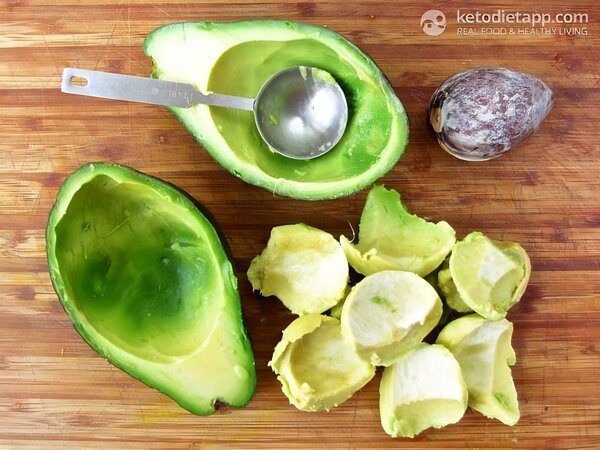
Want to Lose Weight? Eat Fat for Breakfast!

My Fat Fast Experiment and Meal Plan
Not Losing Weight on a Low-Carb Ketogenic Diet? Don’t Give Up and Read Further

Appetite Control and Caloric Intake on Low-carb Ketogenic Diets

All You Need to Know About Protein on a Low-Carb Ketogenic Diet

Complete Guide to Fats & Oils on a Low-Carb Ketogenic Diet
Comments & ratings (4)
My fat %tage was down last week and now its way up== 35%- 49%?
I have been following keto for 10 days- I had a bad carb day )to high) 6 days ago- can you help me understand what is going on
Hi Paula, I assume that the measurement you took was not reliable (or one of them). Here's more about measuring body fat: How To Measure Body Fat
"no benefits"? Maybe you mean, no immediate health benefits? Thinness more or less correlates with attractiveness, particularly in women, and you know, being attractive has its own benefits.
Of course, I was referring to health benefits - edited