









What Makes a Food or Ingredient Keto?
When you follow the ketogenic approach to food, you'll need to base your diet around low-carb foods. When unsure whether to include an ingredient in your ketogenic lifestyle, there are several factors you should consider:
-
Keep your carbohydrates low
Depending on your own carbohydrate limit, which can vary between 20 and 50 grams of total carbs (or 15 to 30 grams of net carbs), you can include a variety of meats, dairy, eggs, vegetables, fruit, nuts, and seeds.
- If you are not sure whether to count total or net carbohydrates, read this post on total vs net carbs.
- Prioritize vegetables that grow above ground like leafy greens, cauliflower, and zucchini as they tend to be lower in carbs.
- Limit high-carb vegetables like potatoes, corn, and peas.
-
Always consider the serving size
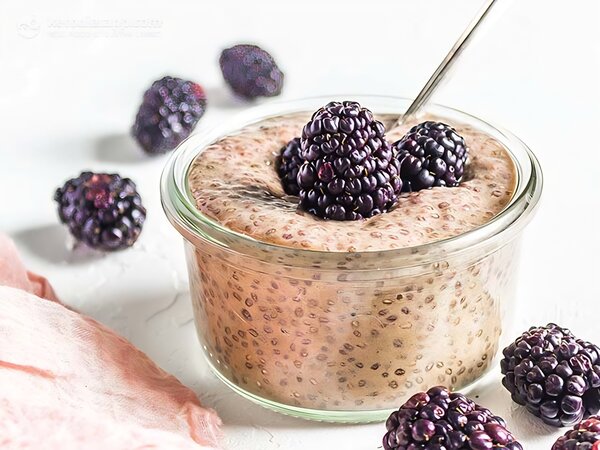
When counting carbs, follow the amount of net carbohydrates "per serving," such as one cup of broccoli, two eggs, half an avocado, one pork chop, or a quarter cup of berries.
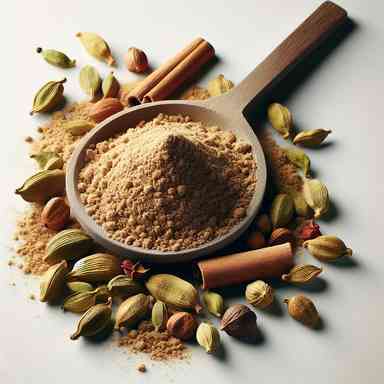
- Some foods are seemingly high in carbohydrates (per 100 grams), but you will only need to use a small amount when used in recipes. For example, dried porcini mushrooms, garlic, or spices are all ideal for the ketogenic diet because the amount of carbs per serving is low.
- Be mindful of portion sizes, especially with nuts and seeds, as they can add up quickly in carbs.
Want to learn more? Here's a detailed list of foods you should eat and avoid on a ketogenic diet.
-
Quality over quantity
Food quality is just as important as the amount of carbohydrates in your diet. Base your diet around healthy whole foods and avoid or at least minimize the consumption of ultra-processed foods, especially if they are high in sugar.
- Opt for organic and grass-fed options when possible to ensure you're consuming higher-quality nutrients.
- Choose healthy fats like avocados, olive oil, coconut oil, and butter from grass-fed cows.
- Avoid trans fats and hydrogenated oils commonly found in processed foods.
-
Watch out for hidden sugars and carbs
- Read labels carefully to spot hidden sugars and high-carb ingredients in packaged foods. Terms like "fructose," "glucose," "maltodextrin," and "corn syrup" indicate added sugars.
- Beware of sugar alcohols and artificial sweeteners, as some can still impact blood sugar levels and may cause digestive issues.
- Focus on natural sweeteners like stevia, which has minimal impact on blood sugar.
-
Stay hydrated and get enough electrolytes
- Dehydration and electrolyte imbalances can be common when starting a keto diet. Drink plenty of water and consider supplementing with electrolytes.
- Incorporate bone broth, leafy greens, and avocados to boost your electrolyte intake naturally.
-
Listen to your body
- Everyone's body reacts differently to certain foods. Pay attention to how your body responds to different ingredients and adjust accordingly.
- Keep a food diary to track what you eat and how it affects your ketosis and overall well-being.
By considering these factors, you can make more informed decisions about what to include in your ketogenic diet, ensuring you stay on track and maintain optimal health.