Keto Bone Broth
 Martina Slajerova
- Ready in 6h
- 0.7 g net carbs
- 72 kcal
- Serves 8
This post may contain affiliate links, see our disclaimer.

Bone broth is a must-have in any keto kitchen. Not only does it add a rich, savory flavor to your meals, but it’s also packed with essential nutrients like electrolytes, collagen, and minerals.
Whether you're looking to ease into ketosis, combat keto flu by replenishing electrolytes, or simply enjoy a warming drink during colder months, bone broth is your go-to solution. This recipe will guide you through making a delicious and nutrient-dense broth that’s perfect on its own or as a base for soups and stews.
Plus, bone broth is one of the few nourishing options you can enjoy even while fasting, making it a versatile addition to your keto lifestyle.
Why Is Bone Broth Good For You?
Bone broth isn’t just a flavorful base for soups and stews—it’s a powerhouse of nutrients that offer numerous health benefits, especially on a keto diet. Here’s why you should make it a regular part of your routine:
Rich in Electrolytes
Bone broth is an excellent source of electrolytes like sodium, magnesium, and potassium. These minerals are essential for staying hydrated, especially when transitioning to a keto diet, where electrolyte imbalance can lead to symptoms like fatigue and headaches, often referred to as "keto flu."
Loaded with Collagen and Gelatin
Collagen and gelatin are key components of bone broth that support joint health. They help maintain the integrity of your joints, ligaments, and tendons, reducing the need for expensive supplements. (Bello et al, 2006Trusted sourceNational Center for Biotechnology InformationNCBI's mission is to develop new information technologies to aid in the understanding of fundamental molecular and genetic processes that control health and disease.Open link)
Supports Muscle Repair
The amino acids in bone broth, such as glycine and proline, are vital for muscle repair and recovery. This makes it a great addition for anyone with an active lifestyle. (Alves et al, 2019Trusted sourceNational Center for Biotechnology InformationNCBI's mission is to develop new information technologies to aid in the understanding of fundamental molecular and genetic processes that control health and disease.Open link)
Promotes Healthy Hair and Nails
Regular consumption of bone broth can strengthen your hair and nails, thanks to its rich collagen content, giving them a healthier and more vibrant appearance. (Choi et al, 2019Trusted sourceNational Center for Biotechnology InformationNCBI's mission is to develop new information technologies to aid in the understanding of fundamental molecular and genetic processes that control health and disease.Open link)
Aids in Gut Health
Bone broth contains nutrients that help heal and seal the gut lining, making it beneficial for those with leaky gut syndrome or other digestive issues. (Alves et al, 2019Trusted sourceNational Center for Biotechnology InformationNCBI's mission is to develop new information technologies to aid in the understanding of fundamental molecular and genetic processes that control health and disease.Open link)
Boosts Immune System
The minerals and amino acids in bone broth can help fight infections like colds and flu, making it a comforting and health-boosting drink during the winter months. (Alves et al, 2019Trusted sourceNational Center for Biotechnology InformationNCBI's mission is to develop new information technologies to aid in the understanding of fundamental molecular and genetic processes that control health and disease.Open link)
Supports Thyroid and Adrenal Health
Nutrients in bone broth, particularly the minerals and amino acids, play a role in supporting thyroid function and can be beneficial for managing adrenal fatigue. (Krishnamurthy et al, 2021Trusted sourceNational Center for Biotechnology InformationNCBI's mission is to develop new information technologies to aid in the understanding of fundamental molecular and genetic processes that control health and disease.Open link)
Reduces Inflammation
Chronic inflammation is linked to many health issues, including heart disease. The anti-inflammatory compounds in bone broth can help lower inflammation levels, contributing to overall health. (Alves et al, 2019Trusted sourceNational Center for Biotechnology InformationNCBI's mission is to develop new information technologies to aid in the understanding of fundamental molecular and genetic processes that control health and disease.Open link)

Ingredient Options for Bone Broth
Bones
For a rich and gelatinous broth, use a mix of bones. Beef bones like marrow bones, oxtail, and knuckles are great for deep flavor, while chicken bones—especially feet and wings—add plenty of collagen. Pork bones like spare ribs and neck bones work well too, and for a lighter option, fish bones and heads can be used.
Vegetables
Classic choices include onions, garlic, and celery, with carrots and parsnips adding sweetness. Keep onion skins on for a richer color, and add herbs like bay leaves, thyme, and parsley for extra depth.
Acids
Apple cider vinegar or lemon juice (about 1-2 tablespoons) is key to helping extract minerals from the bones, enhancing the nutritional value of your broth.
Seasonings
Season with sea salt or pink Himalayan salt, and add whole peppercorns for mild spice. You can also throw in a bit of ginger or turmeric for an anti-inflammatory boost, or even a strip of kombu (seaweed) for umami, especially in fish or chicken broths.
Water
Always use filtered water, adding just enough to cover the ingredients by a couple of inches.
Top Tips for Making Bone Broth
Making bone broth at home is straightforward, but these tips can help you get the most out of your ingredients and ensure the best flavor and nutrition:
- Choose Quality Bones: For a rich and flavorful broth, use a mix of bones like oxtail, marrow bones, and chicken feet. Grass-fed and organic options are best for maximizing the nutrient content.
- Add Vinegar or Lemon Juice: Don’t skip the vinegar or lemon juice! Adding 1-2 tablespoons helps draw out the minerals from the bones, enhancing the nutritional value of your broth.
- Cooking Time Matters: The longer you cook the broth, the more nutrients you’ll extract. For a pressure cooker, 90 minutes is ideal. If using a slow cooker or Dutch oven, simmer for at least 6 hours, and up to 48 hours for maximum gelatin extraction.
- Strain and Store Properly: After cooking, strain the broth through a fine sieve to remove any solids. Store it in the fridge for up to 5 days, or freeze in small containers for up to 3 months. This makes it easy to have a ready supply on hand.
- Use the Tallow: When the broth cools, a layer of fat (tallow) will form on top. You can scrape this off or keep it for cooking—it’s great for adding flavor to keto meals.
- Vegetable Choices: Use vegetables like carrots, celery, and onions to add depth to the broth. These are discarded after cooking, so the carb content remains low. Keeping the onion skin on helps give the broth a rich golden color.
- Reuse the Bones: You can reuse bones for a second batch of broth. Just freeze them after the first use, then add some fresh bones and repeat the process to get even more out of your ingredients.
Want more flavor? Roast the bones!
Why Roast? Roasting the bones before simmering them enhances the depth and richness of the broth. This step caramelizes the natural sugars in the bones and vegetables, adding a deeper, more complex flavor to your broth.
How to Roast: Spread the bones and any vegetables you’re using (like onions, carrots, and garlic) in a single layer on a baking sheet. Roast in the oven at 400°F (200°C) for about 25-30 minutes, or until the bones are browned and fragrant. You can flip the bones halfway through roasting to ensure they brown evenly.
Why should I use oxtail to make bone broth?
Oxtail is a game-changer for bone broth. It’s incredibly flavorful and rich in gelatin, which gives the broth a satisfying texture and extra nutritional benefits. While traditional bone broth often relies on beef marrow bones, I’ve found that oxtail adds a depth of flavor that’s hard to beat. Plus, using oxtail gives you more than just broth—you also get tender, delicious meat and tallow, which is perfect for cooking, much like ghee or lard.

Cooking Methods
Whether you prefer a slow cooker, Dutch oven, pressure cooker, or Instant Pot, making bone broth at home is easy. Here’s how to do it with each method:
Making Bone Broth in a Slow Cooker
Using a slow cooker (crockpot) is a classic and hands-off way to make bone broth.
- Prepare the Ingredients: Add your bones (like oxtail, marrow bones, or a mix) and vegetables (such as carrots, celery, and onion) to the slow cooker. Don’t forget to add 1-2 tablespoons of apple cider vinegar or lemon juice to help extract the minerals from the bones.
- Add Water: Pour in enough water to cover the bones, but don’t fill more than three-quarters of the slow cooker’s capacity.
- Cook Low and Slow: Set the slow cooker to low and cook for at least 12 hours. For the most nutrient-dense broth, you can cook it for up to 48 hours. If needed, skim off any foam that rises to the top during the cooking process.
- Strain and Store: Once done, strain the broth through a fine-mesh sieve to remove solids. Let it cool, then store it in the fridge for up to 5 days or freeze in portions for up to 3 months.
Making Bone Broth in a Dutch Oven
A Dutch oven is another great option for making bone broth, giving you control over the simmering process.
- Prepare the Ingredients: Place the bones, vegetables, vinegar or lemon juice, and seasonings into your Dutch oven.
- Add Water: Add water to cover the ingredients, filling no more than two-thirds of the Dutch oven’s capacity.
- Bring to a Simmer: Place the Dutch oven on the stovetop over medium heat. Once it begins to simmer, reduce the heat to low. Cover with the lid slightly ajar to allow some steam to escape.
- Simmer for Hours: Let it simmer gently for at least 6 hours. For a richer broth, you can extend the cooking time up to 48 hours. Skim off any foam or fat that rises to the surface.
- Strain and Store: Once done, strain the broth, cool, and store as needed.
Making Bone Broth in a Pressure Cooker
Using a pressure cooker is a quick way to make a rich, flavorful bone broth with minimal effort.
- Prepare the Ingredients: Add your bones (such as oxtail, marrow bones, or a mix) and vegetables (like carrots, celery, and onion) to the pressure cooker. Add 1-2 tablespoons of apple cider vinegar or lemon juice to help extract minerals from the bones.
- Add Water: Pour in water, filling the pressure cooker no more than two-thirds full to allow room for pressure to build.
- Pressure Cook: Lock the lid in place and turn the heat to high. Once the cooker reaches high pressure (indicated by a gauge or by a small amount of vapor escaping through the valve in older models), reduce the heat to the lowest setting. Set the timer for 90 minutes and let it cook.
- Release Pressure Naturally: When the cooking time is up, turn off the heat and let the pressure release naturally for about 10-15 minutes.
- Strain and Store: Once the pressure has fully released, open the lid, strain the broth through a fine-mesh sieve, cool it, and store it in the fridge for up to 5 days or freeze in portions for up to 3 months.
Making Bone Broth in the Instant Pot
The Instant Pot is perfect if you’re short on time but still want a rich, flavorful bone broth.
- Prepare the Ingredients: Add bones, vegetables, and vinegar or lemon juice to the Instant Pot.
- Add Water: Pour in water, filling the Instant Pot no more than two-thirds full.
- Pressure Cook: Secure the lid and select the “Manual” setting with the valve in a sealed position. Set the timer for 90 minutes on high pressure. Once the cooking cycle is complete, allow the pressure to release naturally, which takes about 10-15 minutes.
- Strain and Store: Strain the broth, then let it cool before storing. The Instant Pot version can be kept in the fridge for up to 5 days or frozen for later use.

Stock vs Broth: What is the Difference?
While stock and broth are similar, they have key differences:
Stock is typically made from bones (often with some meat still attached), along with vegetables and seasonings. The key to stock is that it’s simmered for several hours to extract gelatin from the collagen in the bones, which gives it a slightly thicker, more gelatinous texture when cooled. The primary purpose of stock is as a base for soups, sauces, and other dishes.
Broth, on the other hand, is made primarily from meat, such as boiling a whole chicken, often with bones included. It’s simmered for a shorter time, resulting in a lighter, more flavorful liquid that’s typically thinner than stock. Broth is usually seasoned and can be consumed on its own as a light soup.
Depending on the cooking method, cooking time, and ingredients, you can make either stock or broth, both of which can be used in cooking or enjoyed on their own.
Storage Tips
Proper storage is key to getting the most out of your homemade bone broth. Here’s how to keep it fresh and ready to use whenever you need it:
How should I store bone broth in the fridge?
Once cooled, transfer the bone broth to airtight containers or glass jars and store it in the fridge. It will stay fresh for up to 5 days. If a layer of fat (tallow) forms on top, you can either keep it there to seal in freshness or scrape it off and store it separately for cooking.
Can I freeze bone broth?
Absolutely! For easy storage, consider reducing the broth by simmering it until it’s concentrated to about a quarter of its original volume. This creates a thick, nutrient-dense broth that’s easy to freeze in ice cube trays. Once frozen, transfer the cubes to a freezer bag. You’ll only need a few cubes to add rich flavor to meals, and you can dilute it with water as needed. Concentrated broth can last up to 3 months in the freezer. These frozen portions are perfect for quickly adding flavor to recipes, deglazing pans, or even just enjoying a small, nutritious sip throughout the day.
What’s the best way to reheat bone broth?
Reheat bone broth gently on the stove over low heat or in the microwave in short bursts, stirring in between. If frozen, thaw it in the fridge overnight or use the microwave’s defrost setting.
What can I do with the tallow?
You can store the tallow separately in the fridge or freezer and use it just like ghee or lard in cooking. It will keep in the fridge for up to 3 months and in the freezer for up to 6 months.
Keep in mind that if you’re using mostly chicken bones, the fat layer may be quite runny. In this case, you can still use the liquid fat for cooking, or allow it to solidify in the fridge before scraping it off and storing it.
Can I Buy Bone Broth?
If you don't have time to make bone broth or find it difficult to source grass-fed bones, there are a number of pre-made options available. I recommend Kettle & Fire because it's delicious, non-frozen and shelf stable. They also use grass-fed bones and organic ingredients. You can buy their bone broth online (affiliate link).

How To Use Bone Broth
Bone broth is incredibly versatile and can be used in a variety of ways to enhance your meals and boost your nutrition. Here are some of the best ways to incorporate bone broth into your diet:
- Sip It Straight: Bone broth makes for a warm, comforting drink, especially on cold days or when you’re fasting, or when you just started following a low-carb diet as it will help you combat keto-flu and replenish electrolytes. Simply heat up a cup and sip it on its own, or add a pinch of sea salt, herbs, or spices like turmeric and black pepper for an extra flavor boost.
- Use It as a Soup Base: Replace store-bought broth with homemade bone broth in any soup recipe. It adds depth of flavor and additional nutrients. From chicken soup to hearty stews, bone broth elevates any soup or stew.
- Add to Sauces and Gravies: Bone broth is an excellent base for sauces and gravies. Use it to deglaze a pan after cooking meat, or reduce it down to make a rich, flavorful gravy. It can also be added to tomato sauces for extra richness.
- Cook Vegetables: Use bone broth instead of water when cooking vegetables, including cauliflower rice, green beans or broccoli. It infuses vegetables with flavor and adds extra nutrients.
- Substitute for Water in Recipes: In many recipes, you can swap water for bone broth to add extra flavor and nutrients. This works well in savory dishes like mashed cauliflower and casseroles.
- Nourishing Base for Fasting: If you’re practicing intermittent fasting or extended fasting, bone broth can be a great way to stay nourished and hydrated. It’s light on the stomach but packed with electrolytes and amino acids, making it ideal for sustaining energy and reducing hunger pangs.


Step-by-step
Peel the root vegetables and cut them into thirds. Halve the onion (leave the skin on for a rich golden color) and peel and halve the garlic cloves. Cut the celery into thirds. Place everything into the slow cooker along with the bay leaves. (Tip: For pressure cooker, Dutch oven, or the Instant Pot method, see tips in the recipe post above.)
Add the oxtail and other bones of your choice—chicken, pork, or beef, with or without meat. If using bones with skin, the fat layer may be runny after cooking. You can use this fat for cooking or discard it.

Pour 8-10 cups of water or enough to cover the ingredients, filling the slow cooker up to two-thirds full. Add the vinegar or freshly squeezed lemon juice to help release more minerals from the bones.
Add salt and cover with the lid. Cook on high for at least 6 hours or on low for up to 10 hours. For maximum gelatin and mineral extraction, you can extend the cooking time up to 48 hours. To do this, remove the oxtail after the initial cooking time, shred the meat, then return the bones to the slow cooker and continue cooking.

Remove the large solids and strain the broth through a fine-mesh sieve into a large dish. Discard the vegetables and set the meaty bones aside to cool.

Once the bones are cool enough to handle, shred the meat with a fork. If there’s any gelatin left on the bones, you can reuse them for another batch of broth. Simply freeze the bones and add them to your next batch along with some fresh ones. The oxtail meat can be used in other recipes or enjoyed with a warm cup of broth.

Use the broth immediately or let it cool down before refrigerating overnight. After chilling, the broth will solidify into a jelly-like consistency. Oxtail is rich in fat, so a layer of tallow will form on top. Scrape off as much of the tallow as you prefer; this can be used for cooking or discarded.

Keep the broth in the fridge for up to 5 days. For longer storage, portion it into small containers and freeze.

Recipe
Keto Bone Broth
★★★★★4.9Your go-to easy guide for making bone broth. From choosing ingredients and cooking methods to storage tips and ...
- Hands on
- 10m
- Overall
- 6h
- Servings
- 8
- 0.7 g
- Net carbs
- 3.6 g
- Protein
- 6 g
- Fat
- 72
- kcal
Ingredients makes 6-8 cups
Instructions
Peel the root vegetables and cut them into thirds. Halve the onion (leave the skin on for a rich golden color) and peel and halve the garlic cloves. Cut the celery into thirds. Place everything into the slow cooker along with the bay leaves. (Tip: For pressure cooker, Dutch oven, or the Instant Pot method, see tips in the recipe post above.)
Add the oxtail and other bones of your choice—chicken, pork, or beef, with or without meat. If using bones with skin, the fat layer may be runny after cooking. You can use this fat for cooking or discard it.
Pour 8-10 cups of water or enough to cover the ingredients, filling the slow cooker up to two-thirds full. Add the vinegar or freshly squeezed lemon juice to help release more minerals from the bones.
Add salt and cover with the lid. Cook on high for at least 6 hours or on low for up to 10 hours. For maximum gelatin and mineral extraction, you can extend the cooking time up to 48 hours. To do this, remove the oxtail after the initial cooking time, shred the meat, then return the bones to the slow cooker and continue cooking.
Remove the large solids and strain the broth through a fine-mesh sieve into a large dish. Discard the vegetables and set the meaty bones aside to cool.
Once the bones are cool enough to handle, shred the meat with a fork. If there’s any gelatin left on the bones, you can reuse them for another batch of broth. Simply freeze the bones and add them to your next batch along with some fresh ones. The oxtail meat can be used in other recipes or enjoyed with a warm cup of broth.
Use the broth immediately or let it cool down before refrigerating overnight. After chilling, the broth will solidify into a jelly-like consistency. Oxtail is rich in fat, so a layer of tallow will form on top. Scrape off as much of the tallow as you prefer; this can be used for cooking or discarded.
Keep the broth in the fridge for up to 5 days. For longer storage, portion it into small containers and freeze.
Nutrition per cup, 240 ml/ 8 fl oz
Carbs 4%Protein 20%Fat 76% of calories
- Net carbs
- 0.7 g
- Total carbs
- 1 g
- Fiber
- 0.2 g
- Sugars
- 0 g
- Protein
- 3.6 g
- Fat
- 6 g
- Saturated fat
- 3 g
- Calories
- 72 kcal
- Sodium
- 1,104 mg · 48% RDA
- Magnesium
- 120 mg · 30% RDA
- Potassium
- 528 mg · 26.4% EMR
Nutrition by ingredient
| Per cup, 240 ml/ 8 fl oz | Net carbs | Protein | Fat | kcal |
|---|---|---|---|---|
| Keto bone broth | 0.7 g | 3.6 g | 6 g | 72 |
| Total | 0.7 g | 3.6 g | 6 g | 72 |
Serving size cup, 240 ml/ 8 fl oz
- Gluten free
- Dairy free
- Egg free
- Nut free
- Nightshade free
- Pork free
- Avocado free
- Coconut free
- Fish free
- Shellfish free
- Low FODMAP
You may also like
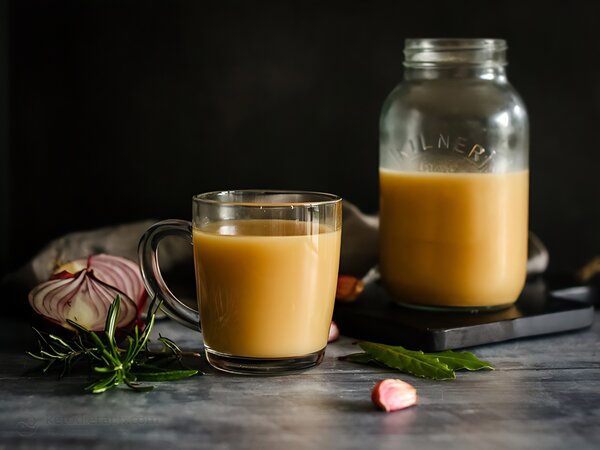
How To Make Chicken Stock and Bone Broth
Keto Pumpkin & Beef Skillet Ragu
Autumn Low-Carb Oxtail Stew
DIY Keto Protein Shake
Low-Carb Slow Roasted Leg of Lamb
Healthy Homemade Mayo - Three Ways
How to Make and Cook Cauliflower Rice
Keto Macadamia Coconut Collagen Butter
Low-Carb Soul Food Chicken Meatball Soup

Strawberry Keto Milkshake
Easy Homemade Cultured Butter
Easy Hollandaise Sauce
Anti-Inflammatory Golden Ghee
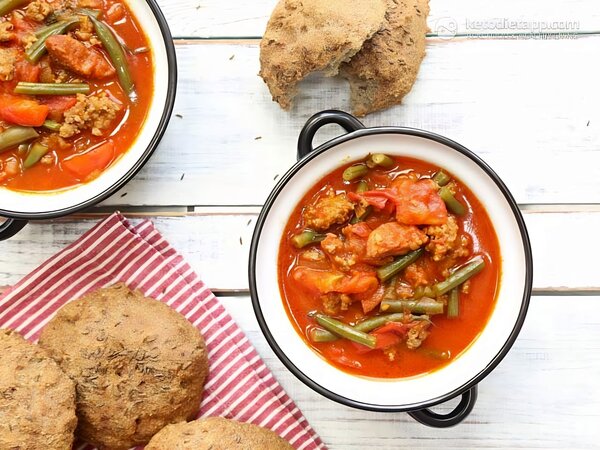
Low-Carb Tex Mex Soup
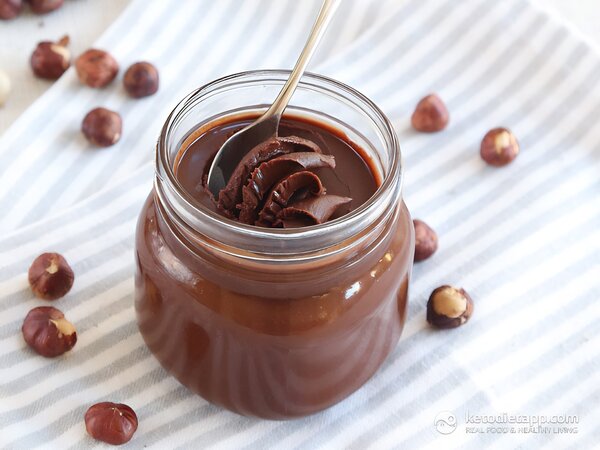
Low-Carb Chocolate Hazelnut Spread
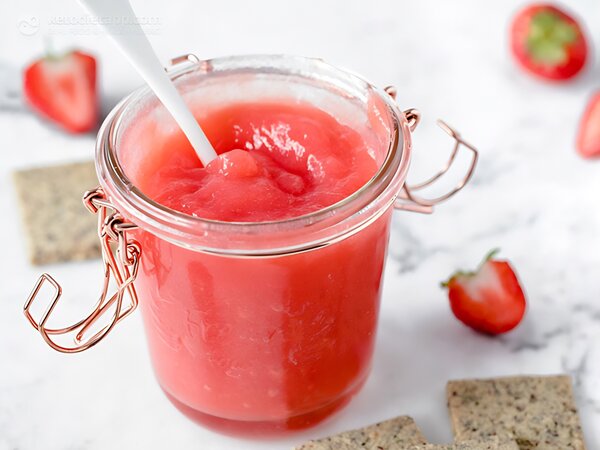
Super Smooth Low-Carb Strawberry Jam
Comments & ratings (215)
There are some experts who believe that pressure cooking, including the Instant Pot, removes or destroys some of the benefits of bone broth. For that reason (even the possibility that it could reduce the beneficial elements in making bone broth) i have decided that I will use the crock pot (slow cooker) or Dutch Oven on the stove top rather than risk expensive ingredients being made less healthy.
I also never peel my veggies. I scrub them and rinse well to keep most of the healthy bits that are present in the peel and just under it.
You can also can Bone Broth. I am not certain how much or even IF canning reduces some of the health benefits, so I have not done it myself
I completely understand your caution! When you invest in high-quality ingredients, we definitely want to make sure you are getting the most out of them. I actually used to worry about the pressure cooker too, but later found that the pressure cooker is actually very gentle on nutrients (the high heat is offset by the super fast cooking time). That said, there is absolutely nothing like the smell of a Dutch oven/slow cooker bubbling away on the stove/countertop! I think the best method is the one you enjoy using most. And I am 100% with you on the veggie peels - scrubbing them is better than peeling.
Made a big batch last weekend and it turned out great. Rich flavor, very filling, and perfect after workouts. I’ve been drinking a cup every day.
What size Instant pot is good for this recipe? I have an 8 quart…is that too large?
Not at all! Mine is 6L but I don't think it matters if you use a larger pot.
Hi Martina
I have just recently come across your website and love your recipes. I have leaky gut and hashimoto. I would like to know if you have your hashis under control or not.
Hi Mirella, I do indeed use a low-carb approach to manage my Hashimoto's. I don't think I can reverse it as that's hard when the damage to the thyroid has already been done, but I've successfully been managing my symptoms and keeping my antibody count low. Any questions, feel free to tag me in our Facebook support group: facebook.com/groups/Ketodietplan
If you roast the bones and vegetables drizzled with olive oil in the oven first on 450 degrees for 20 minutes, stir and then 20 minutes more, you will have an even richer flavour.
Omg!!! I just made this bone broth recipe and it has the best flavours!!! Thank you for this
Thank you Melanie, glad you enjoyed!
Hi, just wondered if it would be advantageous to blanch and roast the bones before making the broth? All other bone broth recipes include this step to remove impurities and add flavour. Is it ok to miss these steps out and just make the broth with the raw bones?
Thanks
You could do that! Blanching will remove impurities (although I pour mine through a sieve anyway) and roasting will indeed add flavour. I sometimes brown the oxtail pieces in a pot before adding the remaining ingredients.
Hi
If the broth turns to jelly, how much jelly do you use to get the potion size of 240ml?
Thanks
Jen
I didn't weight the jelly but it should be about the same, 220-240 grams (8-8.5 oz) per cup.
I couldn't get it to gel after putting it in the fridge. Any reason why it wouldn't?
Hi Adrian, that will depend on the bones you use. The more collagen it has the more it will gel. Chicken feet, cartilage and oxtail are extremely rich in collagen - if you include these it will gel more.
Would you recommend using Beef Feet aka Cow's Feet?
Thanks!
Hi Nouldy, I've actually never tried these! Let me know if you do 😊
I did try the beef feet and it was absolutely delicious! The broth turned out very gelatinous after cooling and the "meat" I got from the bones was actually pure gelatin. I will for sure make it again and again!
Thanks for the tip, I'll get some from my butcher next time!
There seems to be a lot of good reasons to buy an instant pot . Which one is the better one ? I have been putting it off because of having another kitchen appliances . haha!
I have the 6 Litre 7-in-one Instant Pot but I know there are some newer models. I'm happy with the one I have and use it a lot.
Looking forward to making your recipes
I love how you include so many details and options. After I obtain the psyllium husks or powder, I will make the bread. If it works out, it will fill many gaps in my Keto diet. I have lost 30 lbs but I am not in ketosis.
Thank you Donald, I hope the bread goes well!
Do I have to strain the broth after it's done? Isn't the fat good? Wont straining it make the broth lose the nutrients and such?
It's totally up to you if you want to keep the fat layer. I prefer to remove mine. Sometimes I use the fat I remove from the top for cooking. Most of the nutrients are in the broth - not in the fatty layer.
thank you
Can you use a ham bone for the Keto bone broth
Yes you can, it will add great flavour 😊
how are you determining the macronutrient information of the actual bones themselves? Before finding this article I placed a variety of grey ingredients into my instant pot including a variety of Bones (beef shin, chicken, and pork rib bones) with no meat. I'm trying to determine the nutritional information of the bones to plug into either chronometer or carb manager and have run into brick walls.
I'm afraid no app or food database can do that, not even our ketodietapp.com and we do pay attention to accuracy so we won't list just any ingredient.
There isn't a way simply because there are ingredients that are always "wasted". What I did is that I checked several similar products and then used estimated values based on these. The values will vary for batches, especially when it comes to protein. The only way to know is to literally test the batch in a lab 😊
Just found your blog and after a very quick scan I am super impressed!
Cannot wait to try out your recipes! Thank you xx
Thank you Magda! ❤️
How do you know how much electrolytes (and the other things you mentioned ) in a day? I want to do this Keto Diet for healthy reasons and to loose weight but I’m so confused. Every day I read something else that I should be doing or making or taking. I even spent the $30.00 for a menu plan bought all this stuff only to find out its for a 2000 calorie diet and I’m only suppose to be on 1272 !!!!! Any advice?
Hi Gail, here's all about magnesium and potassium:
The Importance of Magnesium and Top 7 Low-Carb Foods High in Magnesium
The Importance of Potassium and Top 7 Low-Carb Foods High in Potassium
Also check out these:
Complete Guide to Magnesium Supplementation
Top 10 Low-Carb and Keto Foods High in Electrolytes
As for your "ideal" energy intake, please keep in mind that our macro calculator (ketodietapp.com/Blog/page/KetoDiet-Buddy) will only give you an idea of what you should be aiming for - it doesn't mean that this is exactly what will work for you. If you just started following the diet, if may feel overwhelming but it will get easier. The best way to follow a low-carb diet is to eat to satiety: eat if you are hungry and stop eating when you feel full.
Thank you.
Thank you for this amazing recipe. Just 1 quick question. Im doing my beef bone broth on a normal stove/oven. Does the bones need to cook for a whole 48 hours right through the night or can I switch the oven of tonight before bedtime and on when we get up in the morning? X
You can cook it for 8 hours or up to 12 hours. I wouldn't cook it for longer than that and I wouldn't leave it cooking overnight (safety). One boiling (bring to a boil over a high heat), reduce to low and keep it at low and make sure that there is enough water. The temperature is always higher when cooking on the stove/oven so 48 hours of cooking won't be necessary.