Low-Carb Easter Cupcakes
 Martina Slajerova
- Ready in 1h
- 2.6 g net carbs
- 290 kcal
- Serves 12
This post may contain affiliate links, see our disclaimer.

Cupcakes! These low-carb cupcakes are so cute to make for Easter.
I used white and yellow frosting that makes the cupcake look like an egg. I didn't want to use any artificial colourings for making the "egg yolk" yellow. I found that turmericTrusted sourceWikipediaWikipedia is written collaboratively by largely anonymous volunteers who write without pay.Open link can be used to give a natural yellow colour and when used in moderation, it's neutral in taste. Apart from adding natural color, turmeric has several positive health effects!
I used cream of tartar and baking soda to replace the baking powder but feel free to use a gluten=free baking powder instead. This is how it works: To get 2 teaspoons of baking powder, you need 1/2 teaspoon of baking soda and 1 teaspoon of cream of tartar. Other options for leavening agents are: 2 tsp gluten-free baking powder (or baking soda) + 2 tbsp apple cider vinegar.
Step-by-step
Preheat the oven to 175 °C/ 350 °F (fan assisted), or 195 °C/ 380 °F (conventional). Crack the eggs into a bowl, add salt and whisk them well.

Add cream (or coconut milk), coconut oil (or butter) and vanilla extract. Melting the coconut oil will make blending easier. Just place it in a bowl and microwave on low for about 20-30 seconds.

You can either use vanilla bean and scrape the seeds out or natural vanilla extract. Make sure there is no sugar added.

Combine all the dry in ingredients in a bowl (almond flour, coconut flour, baking soda and cream of tartar). Add them to the bowl with the wet ingredients and use a mixer to get rid of any clumps of flour.

Add the cream (or coconut milk) and water. Coconut flour absorbs a lot of water and you will need to add about 1/2 cup of water. Don't put too much or the cupcakes will get too soggy.

Place paper liners in the muffin pan or simply use silicone muffin forms without the liners. Fill the cupcake liners to about 3/4 with batter. I used medium size cupcake liners.

Place in the oven and bake for about 20 minutes, or until a toothpick inserted in the center of a cupcake comes out clean.

The cupcakes need to cool down before you add any topping. Prepare the cheese frosting by scooping the cream cheese into a bowl and mix with coconut oil, Erythritol and Stevia.

Erythritol doesn't dissolve easily unless heated up. For a smoother texture you can blend it until powdered.

Optionally, you can add vanilla or lemon extract. Make sure it's clear if you want to keep the mixture white. For this reason, I wouldn't recommend vanilla bean, as it will give it colour. I used natural lemon extract that only contains: alcohol, oil of lemon and water.

Place about 1/8 of the cheese mixture in another bowl and add the turmeric powder. This will add a nice yellow colour. Don't worry, this little amount will not affect the taste.

Use a spoon to spread the white cheese frosting on the cupcake and a teaspoon or decorator to add the "egg yolk" on the top.

Store the cupcakes covered in the fridge for a few days, if they last :)

Recipe
Low-Carb Easter Cupcakes
★★★★★4.7These cute low-carb cupcakes are perfect for Easter. A fluffy grain-free muffin topped with sugar-free white ...
- Hands on
- 15m
- Overall
- 1h
- Servings
- 12
- 2.6 g
- Net carbs
- 6.4 g
- Protein
- 27.8 g
- Fat
- 290
- kcal
Ingredients makes 12 cupcakes
- Cupcakes:
- Cheese frosting:
Instructions
Preheat the oven to 175 °C/ 350 °F (fan assisted), or 195 °C/ 380 °F (conventional). Crack the eggs into a bowl, add salt and whisk them well.
Add cream (or coconut milk), coconut oil (or butter) and vanilla extract. Melting the coconut oil will make blending easier. Just place it in a bowl and microwave on low for about 20-30 seconds.
You can either use vanilla bean and scrape the seeds out or natural vanilla extract. Make sure there is no sugar added.
Combine all the dry in ingredients in a bowl (almond flour, coconut flour, baking soda and cream of tartar). Add them to the bowl with the wet ingredients and use a mixer to get rid of any clumps of flour.
Add the cream (or coconut milk) and water. Coconut flour absorbs a lot of water and you will need to add about 1/2 cup of water. Don't put too much or the cupcakes will get too soggy.
Place paper liners in the muffin pan or simply use silicone muffin forms without the liners. Fill the cupcake liners to about 3/4 with batter. I used medium size cupcake liners.
Place in the oven and bake for about 20 minutes, or until a toothpick inserted in the center of a cupcake comes out clean.
The cupcakes need to cool down before you add any topping. Prepare the cheese frosting by scooping the cream cheese into a bowl and mix with coconut oil, Erythritol and Stevia.
Erythritol doesn't dissolve easily unless heated up. For a smoother texture you can blend it until powdered.
Optionally, you can add vanilla or lemon extract. Make sure it's clear if you want to keep the mixture white. For this reason, I wouldn't recommend vanilla bean, as it will give it colour. I used natural lemon extract that only contains: alcohol, oil of lemon and water.
Place about 1/8 of the cheese mixture in another bowl and add the turmeric powder. This will add a nice yellow colour. Don't worry, this little amount will not affect the taste.
Use a spoon to spread the white cheese frosting on the cupcake and a teaspoon or decorator to add the "egg yolk" on the top.
Store the cupcakes covered in the fridge for a few days, if they last :)
Nutrition per serving, 1 cupcake
Carbs 4%Protein 9%Fat 87% of calories
- Net carbs
- 2.6 g
- Total carbs
- 9.5 g
- Fiber
- 1.9 g
- Sugars
- 1.8 g
- Protein
- 6.4 g
- Fat
- 27.8 g
- Saturated fat
- 16.3 g
- Calories
- 290 kcal
- Sodium
- 210 mg · 9.13% RDA
- Magnesium
- 39 mg · 9.79% RDA
- Potassium
- 161 mg · 8.05% EMR
Nutrition by ingredient
| Per 1 cupcake | Net carbs | Protein | Fat | kcal |
|---|---|---|---|---|
| Almond flour (blanched ground almonds, almond meal) | 1.1 g | 2.7 g | 6.6 g | 74 |
| Coconut flour, organic | 0.4 g | 0.6 g | 0.5 g | 12 |
| Egg, whole, fresh, raw (free-range or organic eggs) | 0.1 g | 2.1 g | 1.6 g | 24 |
| Coconut oil, extra virgin | 0 g | 0 g | 9 g | 81 |
| Cream, heavy whipping, full-fat (30-40% fat) | 0.1 g | 0.1 g | 1.8 g | 17 |
| Erythritol (natural low-carb sweetener) | 0.3 g | 0 g | 0 g | 1 |
| Stevia extract (SweetLeaf or NuNaturals, natural low-carb sweetener) | 0 g | 0 g | 0 g | 0 |
| Vanilla powder, dried (from vanilla beans, vanilla pods) | 0 g | 0 g | 0 g | 1 |
| Salt, sea salt | 0 g | 0 g | 0 g | 0 |
| Baking soda | 0 g | 0 g | 0 g | 0 |
| Cream of tartar, raising agent | 0.1 g | 0 g | 0 g | 0 |
| Water, still | 0 g | 0 g | 0 g | 0 |
| Cream cheese, soft (full-fat) | 0.5 g | 0.9 g | 3.8 g | 39 |
| Coconut oil, extra virgin | 0 g | 0 g | 4.5 g | 41 |
| Erythritol (natural low-carb sweetener) | 0 g | 0 g | 0 g | 0 |
| Stevia extract (SweetLeaf or NuNaturals, natural low-carb sweetener) | 0 g | 0 g | 0 g | 0 |
| Spices, turmeric, ground | 0 g | 0 g | 0 g | 0 |
| Total | 2.6 g | 6.4 g | 27.8 g | 290 |
Serving size 1 cupcake
- Gluten free
- Nightshade free
- Pork free
- Avocado free
- Fish free
- Shellfish free
- Pescatarian
- Vegetarian
You may also like
Low-Carb Yeast Hot Cross Buns
The Best Keto White Chocolate
How to Make Keto Condensed Milk
How To Make Perfectly Fluffy Whipped Coconut Cream
Keto Chocolate Buttercream Truffle Roses
Dairy-Free Keto Condensed Milk
Keto Coconut & Rhubarb Cake
Low-Carb Rye Bread
Low-Carb Zucchini Apple Pie
Ultimate Keto Nut Butter
Complete Guide to Homemade Nut and Seed Milk
Keto Raspberry & Lemon Cups
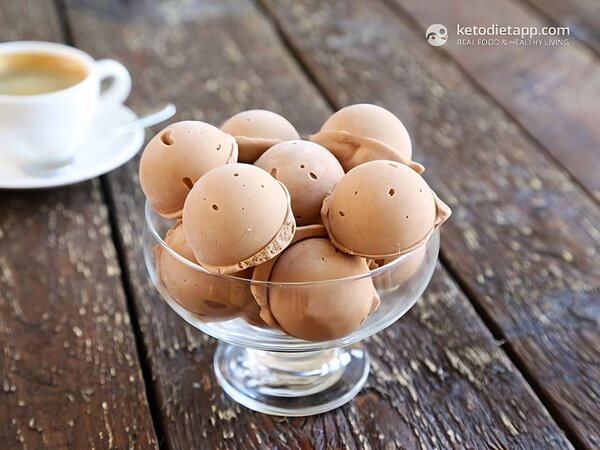
Bulletproof Fat Bombs
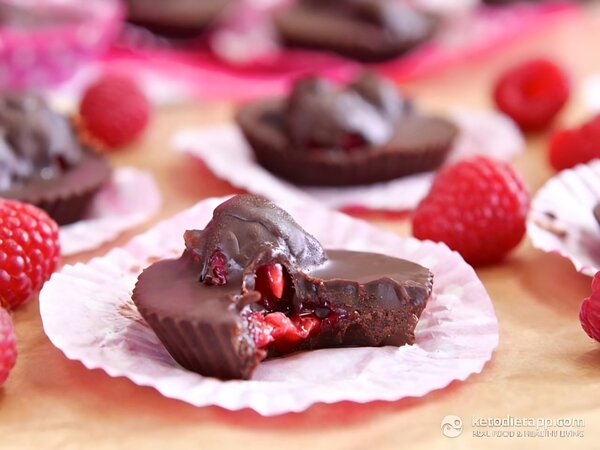
Dark Chocolate Raspberry Cups
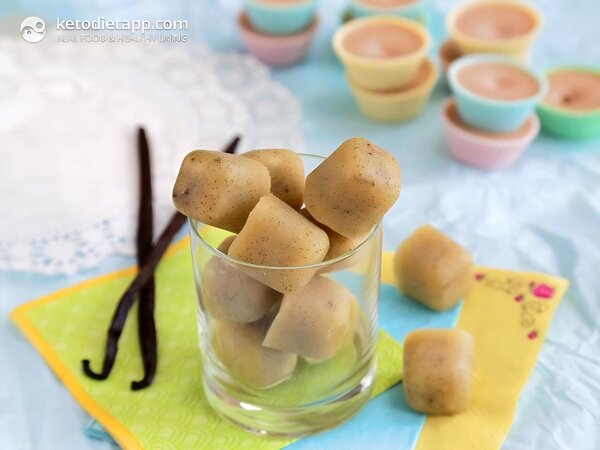
Easy Keto Vanilla Truffles
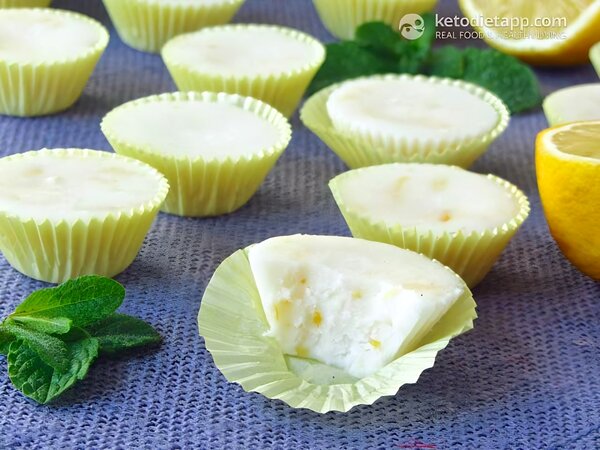
Easy Keto Lemon Cups
Comments & ratings (4)
Hi Martina, wonderful site! I was wondering how can I substitute regular baking powder in your recipes. I am just starting out with your diet and I don't want to trash some of the things in my pantry, so I would like to consume them until they are over! Can I also substitute powdered Stevia for Erythritol? and if so, how would I convert the quantities? Many thanks!
Thank you Sara! You can use the following conversion: 1/4 tsp baking soda + 1/2 tsp cream of tartar = 1 teaspoon of regular baking powder.
Yes, you can use powdered stevia too. Just make sure you use the right amount. Stevia is many times sweeter than Erythritol. The conversion depends on the product. If it's powdered stevia (pure), then the best thing to do is to use just a pinch at a time until you get the right sweetness. If it's granulated stevia (mixed with Erythritol), it's usually as sweet as sugar. I hope this helps!
I think my sweet tooth has been awakened.
WOOOW!