Do Detox Diets Work? An Evidence-Based Review
 Amy Berger, MS, CNS, NTP
This post may contain affiliate links, see our disclaimer.

The start of a new year means being inundated with ads for detox programs and cleanses that promise to help you atone for perceived dietary sins that occurred during the year-end holidays.
Ate too many desserts? Indulged in more alcohol than usual? TV commercials and online ads would have you believe your salvation lies in lemon water, apple cider vinegar, and green juices. Throw in some chlorella and spirulina and you’ll be right as rain in no time!
But is any of this true? Do detoxes and cleanses live up to their hype, or would your money be better spent on high quality keto-friendly foods?
Should You Do a Detox?
People often wonder "Should I start the year with a cleanse?"
Let’s face it: most people eat a bit differently during the holidays than they do the rest of the year. Even for those not doing keto, low-carb, Paleo, or any other specific style of diet, many find themselves consuming more sweets, more fat, and more alcohol than usual. The pounds can come on pretty quickly this way, and detoxes offer alluring promises of undoing some of the “damage” and wiping the slate clean to make a fresh start.
By itself, having such a mindset isn’t a bad thing. The new year is as good a time as any to establish new habits for a healthier diet and lifestyle. (There’s a reason why gyms are crowded with new members in January.) But guilt, shame, fear, and self-loathing aren’t reasons to seek absolution in a special protocol. There’s a fine line between wanting to feel better, and punishing yourself for feeling like you broke the rules of whatever nutritional plan you normally follow.
Do You Really Need a Specific “Detox” Program to Get Back on Track?
Is there anything magical about cleanses that can’t be accomplished by getting back to a straightforward ketogenic diet? Probably not. According to researchers:
“Although the detox industry is booming, there is very little clinical evidence to support the use of these diets. […] To the best of our knowledge, no randomised controlled trials have been conducted to assess the effectiveness of commercial detox diets in humans. This is an area that deserves attention so that consumers can be informed of the potential benefits and risks of detox programmes. […] At present, there is no compelling evidence to support the use of detox diets for weight management or toxin elimination” (1Trusted sourceNational Center for Biotechnology InformationNCBI's mission is to develop new information technologies to aid in the understanding of fundamental molecular and genetic processes that control health and disease.Open link)
But Why Do People Feel Better After a Detox?
With so little scientific evidence supporting commercial detox programs, how can we explain why some people do report feeling better after doing one?
This is a good question, because many of us know people who try such programs and they drop a couple of pounds, their headaches go away, they have a more positive outlook, or their skin gets clearer — at least, temporarily. The answer, most likely, is that many commercially marketed “detoxes” are basically elimination diets. (2Trusted sourceNational Center for Biotechnology InformationNCBI's mission is to develop new information technologies to aid in the understanding of fundamental molecular and genetic processes that control health and disease.Open link)

How Do Detox Programmes Work?
Detoxes and cleanses typically involve temporary removal of several common food allergens. They’re often low in sugar and starch: many call for avoiding refined sugar and grains, so while they might not be “keto,” people end up eating fewer carbs than on their usual diet.
Such programs are often gluten-free, and some are also free of soy, dairy, and corn, which some people are sensitive to but don’t realize it. Detoxes may also recommend avoiding industrial fats, like soybean, corn, or cottonseed oils, and focusing instead on fats from more wholesome sources, like olive oil, avocados, nuts and seeds, and wild-caught fatty fish. (See our Complete Guide to Fats & Oils on a Ketogenic Diet.)
Additionally, some detox programs call for drinking a certain amount of water each day, which could be correcting low-level dehydration in some people. Any of these aspects could account for people feeling better.
Many commercially marketed “detoxes” are basically re-hydrating elimination diets. That's why cleanses might temporarily make you feel good.
Share on X
What is Detoxification?
Put simply, detoxification is the removal of a harmful substance. (3) More formally, “The process of detoxification involves the mobilization, biotransformation, and elimination of toxicants of exogenous and endogenous origin.” (2Trusted sourceNational Center for Biotechnology InformationNCBI's mission is to develop new information technologies to aid in the understanding of fundamental molecular and genetic processes that control health and disease.Open link)
When people think about detox, though, they’re most likely thinking of consuming specific foods or beverages, or implementing certain practices (such as enemas, colonic irrigation, or spending time in a sauna) with the intention of helping the body get rid of harmful or poisonous substances.
And it’s true that the modern environment presents our bodies with an onslaught of harmful compounds that can accumulate in our tissues. (4Trusted sourceCenters for Disease Control and PreventionCDC works 24/7 to protect America from health, safety and security threats, both foreign and in the U.S.Open link) Some of these are more easily eliminated than others, but it’s unlikely that a week, or even a month, of special smoothies is going to do much to clear them out. Persistent organic pollutants (POPs) tend to accumulate in fat tissue and can take years to break down:
“The half-life of the banned pesticide dichlorodiphenyltrichloroethane (DDT), for example, is 7–8 years. Heavy metals can also accumulate in the body, depending on the organic ligands to which they are bound. Mercury has a half-life in blood of approximately 57 days, whereas lead has a half-life in bones of 20–30 years.” (1Trusted sourceNational Center for Biotechnology InformationNCBI's mission is to develop new information technologies to aid in the understanding of fundamental molecular and genetic processes that control health and disease.Open link)
Stubborn, persistent toxins like these aren’t going to go away after a few weeks of drinking water with lemon juice in it.
Detoxification encompasses a dizzying number of biochemical reactions that occur in different organs for the purpose of removing toxic substances from the body, or metabolizing or sequestering them in ways that make them less harmful. (5)
What usually comes to mind first when we hear the word “detox,” though, is this:
“Detoxification or ‘detox’ diets are short-term interventions designed to eliminate toxins from the body, promote health and assist with weight loss. Detox diets range from total starvation fasts to juice fasts to food modification approaches and often involve the use of laxatives, diuretics, vitamins, minerals and/or ‘cleansing foods’.” (1Trusted sourceNational Center for Biotechnology InformationNCBI's mission is to develop new information technologies to aid in the understanding of fundamental molecular and genetic processes that control health and disease.Open link)
Your Body “Detoxes” All Day, Every Day
The best things for detox aren’t expensive greens powders and fancy-sounding concoctions of superfoods; they’re a healthy body whose vital organs function properly, and a nutrient-dense diet that supports this.
Several organs are involved in detoxification, namely, the skin, liver, kidneys, lungs, and intestines. These organs are active all day, every day, without any deliberate effort on our part.
Regarding detox, “we are already doing it all the time, with the help of our livers, kidneys and digestive systems. Most of the toxic chemicals we consume are broken down or excreted, or both, within hours.” (6)
Fat-soluble substances can be “removed from the body through the sweat and some are transported via the circulation to the liver. Once in the liver, these chemicals are converted to some extent to water-soluble compounds by the liver’s natural detoxification mechanisms, and are subsequently excreted in the urine. […] Chemicals that are not metabolized to water-soluble compounds may be ‘dumped’ by the liver into the intestine as a component of bile, and may then exit the body in the stool.” (5)
Processes involved in detoxification have to go on all the time.
Remember, the body doesn’t have to deal only with compounds coming in from outside, like environmental pollutants, alcohol (7Trusted sourceNational Center for Biotechnology InformationNCBI's mission is to develop new information technologies to aid in the understanding of fundamental molecular and genetic processes that control health and disease.Open link), and pharmaceutical drugs (even aspirin and acetaminophen). It also has to eliminate excess hormones and normal metabolic waste products, which, even though they’re normal and are produced through essential physiological processes, can become problematic if they accumulate to dangerous levels. Examples include urea, creatinine, and excess estrogen (8Trusted sourceNational Center for Biotechnology InformationNCBI's mission is to develop new information technologies to aid in the understanding of fundamental molecular and genetic processes that control health and disease.Open link), but the full list is endless.
So if you’re thinking detox is only about getting rid of heavy metals, pesticide residues, wacky food additives, or compounds from cosmetics and personal care products, think again. The body certainly has its work cut out for it.
Your body “detoxes” all day, every day with the help of your liver, kidneys and digestive system fueled by a nutrient-dense diet. Detox diets and quick cleanses are unnecessary and can in fact do more damage than good.
Share on X
The Role of The Liver in Detoxification
The liver is a major player in detoxification. There are two stages to detoxification in the liver, called Phase I and Phase II. (9Trusted sourceNational Center for Biotechnology InformationNCBI's mission is to develop new information technologies to aid in the understanding of fundamental molecular and genetic processes that control health and disease.Open link) (See here for an informative guide to the multiple aspects of detoxification and elimination.)
Phase I involves transformation of harmful substances into intermediates, which are further transformed or tagged for elimination in Phase II. It’s worth noting that these processes depend heavily on amino acids (which come from protein), but some cleanses and detoxes call for elimination of animal protein and, in some cases, may call for consuming solely fruits and vegetables.

Amino Acids
Amino acids are critical for effective detoxification, and there’s no reason for a detox program to exclude animal foods or make claims that animal foods will interfere with healthy detoxification. Animal foods like beef, pork, poultry, lamb, seafood, and eggs can contribute vital amino acids needed for liver detoxification. (10Trusted sourceNational Center for Biotechnology InformationNCBI's mission is to develop new information technologies to aid in the understanding of fundamental molecular and genetic processes that control health and disease.Open link)
Sulphur
Another crucial factor for healthy detoxification is sulphur. Foods high in sulphur include cruciferous vegetables (broccoli, cauliflower, Brussels sprouts, radishes, cabbage — sulphur is what gives these their characteristic “rotten egg” aroma while they’re cooking) and allium family vegetables (onions, garlic, leeks, shallots), but animal foods tend to be much richer in sulphur than most vegetables. (11Trusted sourceNational Center for Biotechnology InformationNCBI's mission is to develop new information technologies to aid in the understanding of fundamental molecular and genetic processes that control health and disease.Open link)
Glutathione
Something else that plays a critical role in the biotransformation and detoxification of harmful compounds is glutathione. Glutathione is often called the body’s “master antioxidant.” It’s a tripeptide—a molecule made up of 3 amino acids: cysteine, glycine, and glutamate.
Foods that provide nutrients to support production and recycling of glutathione include a large proportion of animal foods, such as beef, pork, eggs, turkey, chicken, and lamb. (10Trusted sourceNational Center for Biotechnology InformationNCBI's mission is to develop new information technologies to aid in the understanding of fundamental molecular and genetic processes that control health and disease.Open link) To be sure, these contributing nutrients aren’t found exclusively in animal foods, but animal foods seem over-represented compared to plant foods, and there’s no reason that a program intended to support detoxification should be limited solely to plant foods.
Different Foods Affect Various Enzymes and Processes in the Body
Aside from providing raw materials from which to make the enzymes and other compounds necessary for detoxification, foods of both animal and plant origin influence the activity of specific enzymes and processes by inducing or inhibiting them.
A staggering array of foods and individual food components affect various enzymes; it’s nearly impossible to understand them all. (10Trusted sourceNational Center for Biotechnology InformationNCBI's mission is to develop new information technologies to aid in the understanding of fundamental molecular and genetic processes that control health and disease.Open link)
In general, though, this tells us that what we eat can affect how quickly or slowly the liver metabolizes various compounds. (As an example, many medications come with warnings to avoid eating grapefruit or drinking grapefruit juice, because compounds in grapefruit called furanocoumarins inhibit one of the key enzymes involved in the metabolism of many drugs. With the enzyme inhibited, the drugs is not broken down as quickly, so more of it enters the bloodstream and stays there for longer, resulting in too high a concentration of the drug, which may cause adverse effects.) (12Trusted sourceFood and Drug AdministrationThe Food and Drug Administration is responsible for protecting the public health.Open link, 13Trusted sourceNational Center for Biotechnology InformationNCBI's mission is to develop new information technologies to aid in the understanding of fundamental molecular and genetic processes that control health and disease.Open link)
Amino acids are critical for effective detoxification, and there’s no reason for a detox program to exclude animal foods or make claims that protein sources from animal foods will interfere with healthy detoxification.
Share on X
The Role of Kidneys in Detoxification
The kidneys are the liver’s assistants in detoxification and elimination. The liver converts fat-soluble toxins into water-soluble compounds that are more easily excreted via the urine, and the kidneys are what create urine.
According to a publication from Harvard Medical School, “The fact that urine tests are used to screen for drugs and toxins is a testament to the kidneys’ remarkable efficiency in filtering out waste substances and moving them out of the body.” (14Trusted sourceHarvard HealthMedia and publishing division of the Harvard Medical School of Harvard University.Open link)
Your kidneys are small, but they are hardworking little organs! They typically constitute less than 0.5% of total body mass, but they receive 20-25% of resting cardiac output (blood flow).
In adults, blood flow through both kidneys is about 1200 mL per minute. (Every 60 seconds, your kidneys receive about 40.5 ounces of blood, or about 5 cups.) Assuming a healthy filtration rate, the kidneys filter 180 liters of water per day! (15)
The kidneys are so important in the elimination of harmful compounds that most routine blood tests include the glomerular filtration rate, or GFR, which measures how much blood passes through the glomeruli per minute. (Glomeruli are tiny filters in the kidneys that filter waste from the blood). (16)

You Need Enough Water to Avoid Dehydration
According to the National Kidney Foundation in the US, “Frequent dehydration, even if it’s mild, may lead to permanent kidney damage.” (17) Staying adequately hydrated helps support healthy kidney function, but this doesn’t mean you should guzzle water all day.
Just because you need some water doesn’t mean more is better. It’s a myth that we should all be drinking at least 8 glasses of water a day. (18) In general, it’s okay to use thirst as a guide, and coffee and tea count even though they’re diuretics.
Foods with a high water content, like lettuce and cucumber, also contribute to total water intake. (19) Be sensible and consume more water if it’s hot and humid, you’ve been sweating a lot, or you’re losing more water than usual due to vomiting or diarrhea from an illness.
It’s important to consume enough water, but don’t overdo it on a strict keto diet. Keto changes the way the kidneys hold on to electrolytes, especially sodium. Drinking too much water without adequate electrolyte intake could lead to problems like dizziness, nausea, lightheadedness, headaches, and more. (Here’s a recipe for an easy homemade electrolyte drink, and check out the Top 10 Keto & Low-Carb Foods High in Electrolytes.)
Drink enough water to avoid dehydration. It’s a myth that we should drink at least 8 glasses of water a day. Drinking too much water without adequate electrolyte intake could lead to problems like dizziness and headaches.
Share on X
Can Too Much Protein Damage the Kidneys?
As an aside, if you’re concerned about protein intake on a ketogenic diet, especially if you find you feel best with higher protein, rest assured that protein isn’t bad for the kidneys. The most damaging things for kidney health, bar none, are chronically high blood glucose and insulin. It is a total myth that protein is harmful for kidney function.
The Role of Skin in Detoxification
The liver does the lion’s share of work in detoxification, but by total surface area, the skin is actually the largest organ of detoxification. In fact, some of the same detox enzymes active in the liver are also found in the skin (20Trusted sourceNational Center for Biotechnology InformationNCBI's mission is to develop new information technologies to aid in the understanding of fundamental molecular and genetic processes that control health and disease.Open link), and pharmaceutical drugs can be eliminated partially through sweat. (21Trusted sourceNational Center for Biotechnology InformationNCBI's mission is to develop new information technologies to aid in the understanding of fundamental molecular and genetic processes that control health and disease.Open link)
“The skin, which is the largest organ of the body, can degrade, inactivate, and eliminate numerous xenobiotics and endogenous toxic compounds through its xenobiotic/drug-metabolizing enzymes, ROS [reactive oxygen species]-scavenging system, and sweat glands.” (22Trusted sourceNational Center for Biotechnology InformationNCBI's mission is to develop new information technologies to aid in the understanding of fundamental molecular and genetic processes that control health and disease.Open link)
Sauna Won't Do Much for Detoxification
Research is mixed, but evidence suggests that select toxic compounds (including arsenic, cadmium, lead, and mercury) can be eliminated through the skin by sweating. (23Trusted sourceNational Center for Biotechnology InformationNCBI's mission is to develop new information technologies to aid in the understanding of fundamental molecular and genetic processes that control health and disease.Open link, 24Trusted sourceNational Center for Biotechnology InformationNCBI's mission is to develop new information technologies to aid in the understanding of fundamental molecular and genetic processes that control health and disease.Open link) The majority of research, however, indicates that toxins are not eliminated in sweat (14Trusted sourceHarvard HealthMedia and publishing division of the Harvard Medical School of Harvard University.Open link), or that if they are, the amount is minuscule, so while there are good reasons to spend time in a sauna, detoxification isn’t one of them. (25)
Consider Safer Skin Care
Probably more important to keep in mind with regard to the skin as a barrier is that skin “eats.” The things you put on it don’t evaporate into the air; they get absorbed into the body. (This is why some drugs are administered topically — that is, spread on the skin.)
For this reason, consider using safer skincare and beauty products rather than ones containing compounds known to disrupt healthy endocrine balance. (26Trusted sourceNational Center for Biotechnology InformationNCBI's mission is to develop new information technologies to aid in the understanding of fundamental molecular and genetic processes that control health and disease.Open link, 27Trusted sourceNational Center for Biotechnology InformationNCBI's mission is to develop new information technologies to aid in the understanding of fundamental molecular and genetic processes that control health and disease.Open link, 28Trusted sourceNational Center for Biotechnology InformationNCBI's mission is to develop new information technologies to aid in the understanding of fundamental molecular and genetic processes that control health and disease.Open link) However, there’s some uncertainty regarding the degree of impact of these compounds on hormone levels, and there isn’t much solid evidence that they interfere with hormone balance when used in reasonable amounts. (29Trusted sourceNational Center for Biotechnology InformationNCBI's mission is to develop new information technologies to aid in the understanding of fundamental molecular and genetic processes that control health and disease.Open link, 30Trusted sourceNational Center for Biotechnology InformationNCBI's mission is to develop new information technologies to aid in the understanding of fundamental molecular and genetic processes that control health and disease.Open link, 31Trusted sourceNational Center for Biotechnology InformationNCBI's mission is to develop new information technologies to aid in the understanding of fundamental molecular and genetic processes that control health and disease.Open link)
If you prefer to go by the principle “better safe than sorry,” though, if you wouldn’t eat something, it’s probably not a great idea to slather it on your skin. Fortunately, there’s an increasing variety of personal care products made from tallow, lard, coconut oil, and/or beeswax and scented with essential oils.

The Role of Elimination in Detoxification
The final step in detoxification is elimination. It does no good for the body to transform toxins into compounds that are more easily eliminated if they don’t actually get eliminated.
Besides urine, feces are the primary vehicle for elimination. (Vomiting is another way the body rids itself of toxins — and quickly — but hopefully for most of us this is a very rare occurrence!)
Bowel Movements Are Essential for Getting Rid of Harmful Substances
If toxins are ultimately excreted in the feces, that means you have to poop! In this regard, chronic constipation can be a problem because when stool remains in the colon for an extended period of time, the body can actually reabsorb some of the toxins that were tagged for elimination.
Estrogen is a good example. Estrogen is a totally natural and essential thing. Too much estrogen, however, has been linked to various adverse effects, including breast and ovarian cancers, and gynecomastia (enlargement of breast tissue in men). (32Trusted sourceNational Center for Biotechnology InformationNCBI's mission is to develop new information technologies to aid in the understanding of fundamental molecular and genetic processes that control health and disease.Open link) Estrogen is tagged for elimination in the liver through a process called glucuronidation. However, bacteria that live in the colon produce an enzyme called β-glucuronidase, which can undo the tagging (called “de-conjugation”), thus allowing the body to reabsorb the estrogen. (33Trusted sourceNational Center for Biotechnology InformationNCBI's mission is to develop new information technologies to aid in the understanding of fundamental molecular and genetic processes that control health and disease.Open link)
Constipation: What it Means for Detoxification and How to Fix It
Keep in mind that constipation is not defined by the frequency of bowel movements, but rather, by the consistency of the stool and the ease or difficulty of passing it.
Not “going” daily doesn’t mean you’re constipated. In fact, according to the US National Institutes of Health, constipation means fewer than three bowel movements per week. (34) The American Society of Colon & Rectal Surgeons agrees: “The belief that one must have a bowel movement every day simply is not accurate and can lead to unnecessary concern and even abuse of laxatives. In fact, if one’s daily bowel movement is hard, requires great effort to expel, or does not satisfactorily empty, the individual would still be considered to have constipation in spite of having a ‘normal frequency.’ On the other hand, if one has a movement every third day but it is not hard, does not require straining and completely evacuates, then one may very well consider this normal bowel movement, in spite of the fact it is not a daily event.” (35Trusted sourceAmerican Society of Colon & Rectal SurgeonsASCRS has thousands of videos, publications and images from past Annual Scientific Meetings available as a member benefit.Open link)
So don’t worry if you don’t have a bowel movement every day. When you do go, if your stools are well formed and you pass them easily without straining, good news: you’re not constipated! (If you think you are constipated, though, check out How to Deal with Constipation on Low-Carb and Keto Diets.)

The Importance of Bile in Detoxification
Something else that’s important for healthy detoxification and elimination via the feces is bile. Bile is produced in the liver and secreted by the gallbladder, and it helps emulsify fats to make them easier to break down and digest.
Bile also plays a role in facilitating the elimination of toxins. (Bile is a primary disposal vehicle for bilirubin, a breakdown product of hemoglobin. In fact, the brown color of feces comes from stercobilin, the major metabolite of bilirubin.) (36)
Don’t worry if you’ve had your gallbladder removed. The liver is what actually makes bile; the gallbladder is more like the holding tank. So you’re still producing bile, but its concentration and the timing of release might differ from those of people who still have a gallbladder.
The Role of Sleep in Detoxification
The body’s detoxification processes happen all the time, day and night, but some are up-regulated (more active) while we sleep. Sleep, or something close to it, is universal among animals from fruit flies to humans. (37Trusted sourceNational Center for Biotechnology InformationNCBI's mission is to develop new information technologies to aid in the understanding of fundamental molecular and genetic processes that control health and disease.Open link) Even plants can be said to have a circadian rhythm! (38Trusted sourceNational Center for Biotechnology InformationNCBI's mission is to develop new information technologies to aid in the understanding of fundamental molecular and genetic processes that control health and disease.Open link)
No one is exactly sure why this need for sleep exists, but among the many possibilities is that sleep is prime time for the brain to do housecleaning. Perhaps the brain has an easier time doing this when we’re not awake and giving our attention to a hundred different things, past present, and future.
It was discovered only recently that the brain has a special housecleaning system, called the glymphatic system, and it’s active mainly during sleep. (39Trusted sourceNational Center for Biotechnology InformationNCBI's mission is to develop new information technologies to aid in the understanding of fundamental molecular and genetic processes that control health and disease.Open link, 40Trusted sourceNational Center for Biotechnology InformationNCBI's mission is to develop new information technologies to aid in the understanding of fundamental molecular and genetic processes that control health and disease.Open link) One of the things known to be cleared during sleep is beta-amyloid, the potentially harmful proteins associated with Alzheimer’s disease. It was shown in rats that beta-amyloid is cleared twice as effectively during sleep than during wakefulness. (41Trusted sourceNational Center for Biotechnology InformationNCBI's mission is to develop new information technologies to aid in the understanding of fundamental molecular and genetic processes that control health and disease.Open link) Getting adequate sleep probably does more to help the body get rid of toxic compounds than all the alkaline water you could drink.
Getting adequate sleep probably does more to help the body get rid of toxic compounds than all the alkaline water you could drink.
Share on X
Dangers of Detox Diets
Cleanses and detoxes don’t always work as intended. While some people report improved wellbeing, even if only temporarily, people seeking to improve their health can sometimes end up worse off than they were before.
Juicing Detoxes May Be High in Oxalates
Juicing vegetables and fruits high in oxalates (such as spinach, celery, chard, kale, parsley, beets, blueberries, raspberries and blackberries) has resulted in reports of people developing severe kidney damage, and can worsen existing kidney damage. (42Trusted sourceNational Center for Biotechnology InformationNCBI's mission is to develop new information technologies to aid in the understanding of fundamental molecular and genetic processes that control health and disease.Open link, 43Trusted sourceNational Center for Biotechnology InformationNCBI's mission is to develop new information technologies to aid in the understanding of fundamental molecular and genetic processes that control health and disease.Open link, 44Trusted sourceThe American Journal of MedicinePublishes original clinical research of interest to physicians in internal medicine, both in academia and community-based practice.Open link)
This isn’t to scare anyone away from consuming these keto-friendly foods and other high-oxalate foods; but consuming large amounts of isolated juice — more than would reasonably be consumed from eating these foods in their whole form — can result in unintended serious health consequences.

Juicing and Blending Detoxes May Be High in Goitrogens
Juicing or blending cruciferous vegetables, which contain compounds called goitrogens, which interfere with uptake of iodine by the thyroid gland, has also caused health problems for people ingesting large amounts of these — larger than would likely be consumed if these foods were eaten whole. (45)
This isn’t a common occurrence, and it requires very large amounts of goitrogens in the presence of inadequate iodine intake (46, 47Trusted sourceOregon State UniversityOregon State is an international public research university that draws people from all 50 states and more than 100 countries.Open link), but it’s not unheard of, especially in the age of the demonization of animal foods and the near worship of anything green from the plant kingdom. (Dairy products and shellfish are good sources of iodine, as are various forms of seaweed.) Acupuncturist Chris Kresser provided a nice overview of the potential downsides of green smoothies here.
Detox diets that involve juicing and blending of vegetables and fruits are often high in oxalates which can cause kidney damage, and goitrogens which can damage the thyroid in the presence of inadequate iodine intake.
Share on X
Consult a Medical Professional
Leaving aside detoxes and cleanses as atonement for perceived dietary indiscretions, there are situations that do call for a genuine medical detoxification protocol.
The accumulation of heavy metals and other toxic compounds in the body can cause a wide range of debilitating physical and psychological symptoms. (48Trusted sourceGenetic and Rare Diseases Information CenterGARD provides the public with access to current, reliable, and easy-to-understand information about rare or genetic diseases in English or Spanish.Open link, 49) People are exposed to these compounds through various means, such as chronic, long-term exposure through their professions or hobbies. (Think carpenters, painters, firefighters, metalworkers, mechanics, farmworkers, beauticians and hairdressers, etc.)
Exposure to harmful substances may also happen when people live or work in water-damaged buildings, where the indoor air may contain pathogenic mold and bacteria. This induces harm to multiple organ systems, now referred to as “sick building syndrome.” (50Trusted sourceNational Center for Biotechnology InformationNCBI's mission is to develop new information technologies to aid in the understanding of fundamental molecular and genetic processes that control health and disease.Open link)
A week or two of a commercial cleanse isn’t going to do anything to help the body eliminate these kinds of highly problematic compounds. People who suspect they have a health problem resulting from serious toxic burden should consult a licensed healthcare professional for evaluation. They can help determine if a scientifically sound and medically supervised chelation therapy or toxin removal strategy is warranted.
Detox, Keto Style
If you’ve gotten off track with your ketogenic diet, it’s usually not too different from people getting off track with any kind of nutritional approach during the holidays: too many sweets (even if they’re keto-friendly treats), too much alcohol, and probably too much food in general.
The simplest way to right your dietary ship is to get back to basics. For example, use a good old-fashioned Atkins induction (strict limit of 20 grams of carbs per day), or something similar.
Steer clear of keto treats for a few weeks and consider abstaining from alcohol for some period of time. Try not to make keto substitutions for your old favorites including savory foods like bread or pizza. Use this as a time to reorient your palate away from dependence on sweet things and to appreciate the delicious nuances of basic savory foods.
Consider incorporating an intermittent fasting protocol to reacquaint yourself with true hunger signals, rather than false ones being sent to you by wild ups and downs on the blood sugar and insulin rollercoaster. (See here for a practical guide to fasting and 7 science-backed health benefits of fasting.)

You may also like
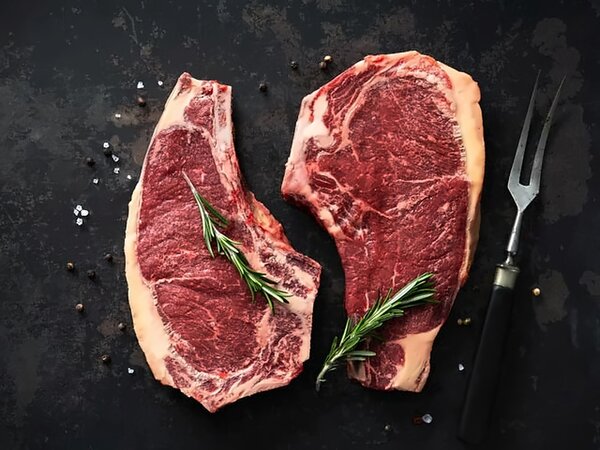
High-Protein Diets: Is More Protein Actually Better?

Should I Count Calories? What You Need To Know About Counting Calories
How To Balance Electrolytes When You Go Low-Carb
Can the Ketogenic Diet Enhance Strength Performance?

Can the Ketogenic Diet Enhance Endurance Performance?

Ketones: Why Are They a Better Brain Fuel?

How a Ketogenic Diet May Influence Body Composition
The Pyramid Just Flipped: Why the New "Real Food" Guidelines Change Everything
Is This the End of Erythritol? What This Study Means for Low-Carb Recipes
Beyond the Labels: A Fresh Take on Keto and 'Non-Keto' Foods
Is Erythritol Safe? Unpacking the Latest Research
The Coconut Controversy: Is Coconut Oil Really Healthy?
Sesame Seeds & Oil: Surprising Science of Sesame

Support for the Existence of Lean Mass Hyper-Responders

Are Sugar and Sweet Harmful?

What is the Carbohydrate Insulin Model?
Comments & ratings