Guide To Dairy-Free Keto Diet: How to Follow a Low-Carb Diet Without Dairy
 Franziska Spritzler, RD, CDE
This post may contain affiliate links, see our disclaimer.
Following a dairy-free lifestyle is becoming increasingly popular. Although low-carb dairy products provide health benefits and can be included on keto diets, some people do best with minimal dairy, and others must avoid it altogether.
Read on to learn why going dairy-free makes sense in certain cases, and check out our guide to living a healthy, dairy-free ketogenic lifestyle that includes a dairy-free keto food pyramid and easy-to-follow diet plan.
Reasons for Eliminating or Reducing Dairy
Dairy Allergy
About 3% of people (mainly children) are allergic one or more of the proteins in dairy, most commonly casein. After consuming dairy, their immune system reacts to the protein(s) by producing antibodies that cause the release of histamine.
Dairy allergies typically develop in early childhood and often disappear by adulthood. However, some people remain allergic to dairy products throughout their lifetime, and in rare cases a dairy allergy may develop in adulthood.
Symptoms of dairy allergies include rash, hives, swollen lips, digestive distress, and in severe cases, anaphylactic shock. Obviously, people with dairy protein allergies must avoid dairy altogether.

Lactose Intolerance
Unlike allergies to dairy protein, lactose intolerance is the inability to properly digest and absorb lactose, the sugar found in dairy.
People with lactose intolerance don't produce the enzyme lactase, which breaks lactose into smaller sugar units that can be absorbed. Without lactase, lactose passes into the colon, where it typically causes bloating, gas, pain, and diarrhea within minutes to an hour after consumption.
Lactose intolerance is quite common, especially in certain ethnicities. In fact, it's estimated that about 65-70% of people worldwide don't produce lactase after early childhood (1Trusted sourceNational Center for Biotechnology InformationNCBI's mission is to develop new information technologies to aid in the understanding of fundamental molecular and genetic processes that control health and disease.Open link, 2Trusted sourceNature ResearchNature Research is here to serve the research community by publishing its most significant discoveries—findings that advance knowledge and address some of the greatest challenges that we face as a society today.Open link).
Native Americans and people of African, Asian, or Hispanic descent are usually lactose intolerant in adulthood, whereas most Northern European populations continue producing lactase throughout their lives if they continue consuming milk.
Some individuals with lactose intolerance may be able to eat cheese and yogurt because most of the lactose has been fermented into lactic acid. However, others may experience symptoms when exposed to even tiny amounts of lactose.
Being at High Risk for Type 1 Diabetes
Although controversial, some research suggests that dairy may trigger type 1 diabetes in those with a genetic predisposition to develop it (3Trusted sourceNational Center for Biotechnology InformationNCBI's mission is to develop new information technologies to aid in the understanding of fundamental molecular and genetic processes that control health and disease.Open link).
People with type 1 diabetes produce antibodies that can gradually destroy their pancreatic beta cells, which produce insulin. Individuals whose parents or siblings have type 1 are at increased risk for the disease if they have certain genetic markers.
Interestingly, bovine (cow) insulin and A-1 casein have both been implicated as potential substances that may trigger type 1 diabetes (4Trusted sourceNational Center for Biotechnology InformationNCBI's mission is to develop new information technologies to aid in the understanding of fundamental molecular and genetic processes that control health and disease.Open link, 5). However, a recent study of more than 2,000 infants at high risk for type 1 found that those who received casein-free formula were just as likely to develop diabetes as those who consumed conventional milk-based formula (6).
Additionally, although it hasn't been studied much, if at all, some people with type 1 diabetes have reported that they achieve much better blood sugar control on a dairy-free or near-dairy-free diet.

Having Certain Types of Cancer
Research on dairy and cancer is mixed. Some studies suggest that dairy fats may potentially provide anti-cancer protection (7Trusted sourceNational Center for Biotechnology InformationNCBI's mission is to develop new information technologies to aid in the understanding of fundamental molecular and genetic processes that control health and disease.Open link). Based on the most recent evidence, consumption of dairy is associated with lower risk of developing breast, colon, bladder, or stomach cancer (8Trusted sourceNational Center for Biotechnology InformationNCBI's mission is to develop new information technologies to aid in the understanding of fundamental molecular and genetic processes that control health and disease.Open link, 9Trusted sourceNational Center for Biotechnology InformationNCBI's mission is to develop new information technologies to aid in the understanding of fundamental molecular and genetic processes that control health and disease.Open link).
However, in women who already have hormone-sensitive breast cancer, dairy may actually lead to worse outcomes due to the estrogen present in milk (10Trusted sourceNational Center for Biotechnology InformationNCBI's mission is to develop new information technologies to aid in the understanding of fundamental molecular and genetic processes that control health and disease.Open link). Similarly, men with prostate cancer who frequently consume large amounts of dairy may experience a more rapid disease progression compared to those who avoid dairy or consume it less often (11Trusted sourceNational Center for Biotechnology InformationNCBI's mission is to develop new information technologies to aid in the understanding of fundamental molecular and genetic processes that control health and disease.Open link).
Struggling to Lose Weight
Most weight loss studies have found that low-carb dairy seems to have neutral or positive effects on weight, and many people who include it on a keto diet experience good results. However, there are also plenty of reports from people who were able to achieve their weight loss goals only after removing dairy from their diet.
Cheese is notorious for being easy to overeat because of its delicious taste. And although most cheese is low in carbs, it is also high in calories.
Persistent Acne
Dairy may increase your susceptibility to acne breakouts or exacerbate existing acne, although this seems to vary from person to person. Dairy whey has been shown to increase insulin and insulin-like growth factor, both of which have been implicated in acne (12Trusted sourceNational Center for Biotechnology InformationNCBI's mission is to develop new information technologies to aid in the understanding of fundamental molecular and genetic processes that control health and disease.Open link).

Other Reasons
Additional reasons for going dairy free include troubleshooting digestive issues, rashes, or other skin problems. Finally, you may just want to see if you feel better without dairy in your diet.
For a complete overview of the pros and cons of dairy consumption and how it fits into the ketogenic lifestyle, have a look at the article I wrote about Dairy on a Ketogenic Diet.
Step-By-Step Guide to Dairy-Free Keto Diet
1. Get Plenty of High-Calcium Foods
Dairy is rich in calcium, but there are plenty of other low-carb foods that are great sources as well:
| Food | Serving size | Net carbs | Calcium |
| Almond milk fortified with calcium | 240 ml (8 fl oz) | 1 gram | 200-350 mg |
| Canned sardines with bones | 100 grams (3.5 oz) | none | 275 mg |
| Canned salmon with bones | 100 grams (3.5 oz) | none | 325 mg |
| Sesame seeds | 28 grams (1 oz) | 3.3 grams | 275 mg |
| Spinach, cooked | 100 grams (3.5 oz) | 1 gram | 135 mg |
| Broccoli rabe | 100 grams (3.5 oz) | 0.5 grams | 120 mg |
| Kale, cooked | 100 grams (3.5 oz) | 3.5 grams | 120 mg |
The recommended daily allowance for calcium (RDA) is 1,000 mg for men up to 70 years of age and for women up to 50 years of age. The RDA for men over 71 and for women over 51 is 1,200 mg.
2. Use Dairy-Free Substitutes
There are many dairy-free alternatives available for purchase, as well as recipes to make at home. Admittedly, the flavor won't be identical to your favorite dairy products; however, they are all tasty, healthy options that you'll quickly learn to love.
| Swap for | ||
| Butter | → | Ghee, lard or coconut oil (make your own ghee) |
| Heavy whipping cream | → | Coconut milk (make your own coconut milk) |
| Mascarpone | → | Coconut cream (make your own coconut cream) |
| Kefir | → | Coconut milk kefir (make your own coconut milk kefir) |
| Yogurt | → | Coconut milk yogurt |
| Cream cheese | → | Dairy-free cheese (make your own dairy-free cheese) |
| Parmesan | → | Nutritional yeast |
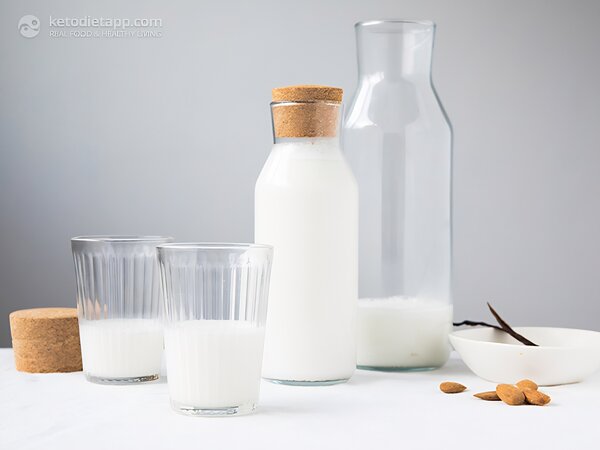
| Milk | → | Nut, seed milk or coconut milk (make your own nut or seed milk) |
Note: Ghee is clarified butter, which has had casein and lactose removed. Although most people can tolerate ghee, some people need to avoid it altogether.
3. Watch Out for Hidden Carbs
In addition to checking for dairy ingredients, make sure any items you purchase don't have added carbs. For instance, almond and other non-dairy milks often contain syrup or other sweeteners.
Some also contain additional ingredients, such as rice milk, soy milk and thickeners. Fortunately, there are many unsweetened types available as well.
4. Have Dairy-Free Snacks on Hand
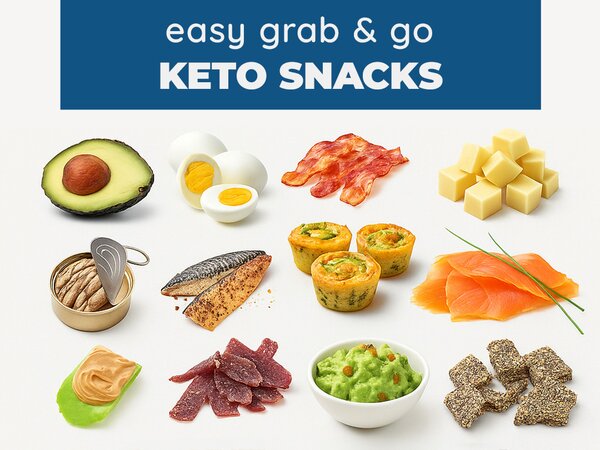
Most people find that they don't get hungry between meals when following a keto or low-carb way of eating. However, it may happen occasionally. Here are some keto-friendly dairy-free snack options:
- Nuts & seeds – you can find a complete guide to nuts & seeds here (1-2 grams net carb and 150-200 calories per 30 grams/1 ounce)
- Keto Tandoori Coconut Chips (2.4 g net carbs, 231 kcal)
- Spicy Tuna Deviled Eggs (1.1 gram net carb, 151 calories per serving)
- Dark Chocolate and Nut Fat Bombs (1.8 g net carb, 118 calories a piece)
- Easy Lemon Fat Bombs (0.8 grams net carb, 112 calories a piece)
- Avocado and Egg Fat Bombs (1.1 gram net carb, 147 calories per serving)
- Foolproof Kale Chips Three Ways (1.8 grams net carb, 48 calories per serving)
- Beef Jerky (0.4 g net carbs, 161 kcal per serving)
- Healthy Keto Avocado Hummus (2.4 g net carbs, 216 kcal)
You can find even more dairy-free keto snacks and appetizers here (use the filtering options to find recipes that suit your preferences).
5. Dairy-Free Keto Diet Food List: What to Eat and Avoid
Here's our Dairy-Free Keto Food Pyramid to help you make the right choices. Feel free to pin, share and print it! Check out our keto diet food list for a complete overview of what to eat and avoid on a ketogenic diet

6. Kick-Start Your Diet with Easy-To-Follow Keto Meal Plans
To help you follow a balanced dairy-free keto diet, there are hundreds of dairy-free keto recipes on the KetoDiet Blog and even more in the Keto Diet App.
If you are new to low-carb eating, try one of our keto diet plans, including two that are dairy-free:
- 2-Week Keto & Paleo Diet Plan (free)
- Premium 4-Week Whole Food KetoDiet Plan (premium)
7. Use the KetoDiet App to Track Your Macros
Whether you are new to a low-carb diet or want to track what you are eating for optimal weight loss, the Keto Diet App will help you track your macronutrients. It has been designed specifically for low-carb diets and will help you keep your carb intake low and your protein intake moderate.
Simply choose from 300 recipes found in the KetoDiet Meals section, and over 700 recipes shared via our KetoDiet Blog and add them to the Planner. We realize that no one diet plan fits everyone, so we've made it easy to copy and modify any of the meals shared via the KetoDiet blog.
To make shopping for ingredients easy, use the Basket and print or export your shopping list for instant access.

You may also like
Complete Guide to Alcohol for Low-Carb Diets

Top 6 Keto Sweeteners and Low-Carb Sweetener Conversion Chart
Complete Keto Diet Food List: What to Eat and Avoid on a Low-Carb Diet
7 Keto Foods That Can Stall Your Progress

Top 11 Nutrient-Dense Low-Carb and Keto Foods
The Ultimate Keto Food Swap List: How to Swap Common High-Carb Foods for Healthy Low-Carb Options
Grab & Go Keto Snacks: 25+ Quick, High-Protein Ideas

Can the Ketogenic Diet Help Patients with Epilepsy?
Complete Guide to Homemade Nut and Seed Milk

The Ultimate Guide to Squash: Low-Carb Varieties, Carb Counts, and How to Cook Them

Can You Have This While Fasting? 5 Foods and 5 Drinks That Won’t Break Your Fast!

Ultimate Guide to Low-Carb Ice Cream: Over 100 Delicious Keto Recipes!
Milk on Low-Carb: What Works, What Doesn’t, and When It Matters

Low-Carb Pancakes & Waffles: Essential Swaps, Texture Hacks & 25+ Recipes
Beyond the Labels: A Fresh Take on Keto and 'Non-Keto' Foods
Crunchy Keto Snacks: What to Eat Instead of Chips
Comments & ratings