Lacto-Fermented Spiced Asparagus
 Martina Slajerova
- Ready in 3d
- 1.6 g net carbs
- 15 kcal
- Serves 12
This post may contain affiliate links, see our disclaimer.

It's spring and asparagus is in season so how about we make some gut-healing "pickles"?
Every bite of this lacto-fermented asparagus has the perfect balance of sour and salty with lots of flavor from herbs, spices and other aromatics. There's also a spicy kick from chillies although it's not too strong so if you prefer more heat, you can always add more by slicing the chillies.
Just like sauerkraut and other fermented vegetables, fermented asparagus is a great source of probiotics. Simply add 2 to 4 spears to any meal for an instant gut-healthy boost!
Are You New To Fermenting? Here are Our Top Tips!
- When making fermented vegetables, it’s best to use organic or spray-free produce where possible to ensure that there are no pesticides present which may interfere with the fermentation process. If you don’t have organic vegetables, make sure to wash all of your produce thoroughly.
- Vegetables ferment best in an anaerobic environment, which means “no oxygen”, using an air tight seal. A fido jar is a great option for fermenting vegetables.
- Make sure to use clean jars that have been sterilized in boiling water.
- Vegetables should be fully submerged in the brine. If they are not submerged or float on top, use a glass pebble/fermenting weight.
- The ideal temperature for fermentation is 16-21 °C/ 60-70 °F. If you live in a warm climate, the fermenting will generally go faster.
- The amount of time your vegetables will take to ferment will depend on many factors; the temperature inside your house, the quantity you’ve made. Start checking after about 3 days. The fermentation process can be easily detected as there is a sour (think vinegar-y) smell when you open the jar, and bubbles will start to travel up the inside of the glass when tapped or moved.
- The fermentation will take anywhere from 3 days to 3 weeks. When the desired taste and texture are achieved (a matter of personal preference), seal with a tight lid and transfer to the fridge.
- Fermented vegetables will last for months if kept refrigerated and in a sealed jar. Fermented vegetables that have turned bad will look dull and even go grey in color. They may develop mould and will take on a really off, pungent flavor and smell.
More Fermented Vegetable Recipes
If you want to try more fermented vegetables, you will love these recipes:

Step-by-step
Wash the asparagus spears thoroughly and snap or cut the woody ends off.

Use a large sterilized jar, large enough to fit the asparagus spears upright and still have 4 to 5 cm (1 1/2 to 2 inches) gap on top. Place the aromatics in the jar: peeled and halved/sliced garlic cloves, chillies (whole or cut for more heat, or use chile pepper flakes), peppercorns, mustard seeds, allspice (2-3 balls), bay leaf (1-2 pieces) and dried dill.
Prepare the brine by mixing the filtered water with salt and stir until fully dissolved.

Add the asparagus spears, cut side down. Pack them as tightly as you can.

Top with the prepared brine, enough to submerge the asparagus, leaving about 2 1/2 cm (1 inch) of headspace at the top. If necessary, weigh the spears down under the brine by using glass fermentation weights.

Cover the jar with a lid. A fido jar is ideal for fermentation as it will let any gasses created during the fermentation process out. If using a tight lid without a rubber band like the one in fido jars, make sure to burp daily to release any excess pressure.
Culture at room temperature for at least 3 days, or ideally 1 to 3 weeks.

Once the asparagus is ready (when the desired flavor and texture are achieved), secure with a tight lid and place in the fridge.
Serve as a side alongside any meal for an instant gut-healthy boost! A serving will be 2 to 4 spears depending on the thickness of the spears.

Fermented asparagus will last for months as long as it's stored properly in the fridge.
Note: Nutritional facts in fermented vegetables are estimated as sodium and carb content will vary. The carb count in fermented vegetables depends on the level of fermentation.
Recipe
Lacto-Fermented Spiced Asparagus
★★★★★4.8Making gut-healthy asparagus "pickles" is so easy! These fermented asparagus spears with garlic, dill and ...
- Hands on
- 10m
- Overall
- 3d
- Servings
- 12
- 1.6 g
- Net carbs
- 1.4 g
- Protein
- 0.2 g
- Fat
- 15
- kcal
Ingredients makes 12 servings
Instructions
Wash the asparagus spears thoroughly and snap or cut the woody ends off.
Use a large sterilized jar, large enough to fit the asparagus spears upright and still have 4 to 5 cm (1 1/2 to 2 inches) gap on top. Place the aromatics in the jar: peeled and halved/sliced garlic cloves, chillies (whole or cut for more heat, or use chile pepper flakes), peppercorns, mustard seeds, allspice (2-3 balls), bay leaf (1-2 pieces) and dried dill.
Prepare the brine by mixing the filtered water with salt and stir until fully dissolved.
Add the asparagus spears, cut side down. Pack them as tightly as you can.
Top with the prepared brine, enough to submerge the asparagus, leaving about 2 1/2 cm (1 inch) of headspace at the top. If necessary, weigh the spears down under the brine by using glass fermentation weights.
Cover the jar with a lid. A fido jar is ideal for fermentation as it will let any gasses created during the fermentation process out. If using a tight lid without a rubber band like the one in fido jars, make sure to burp daily to release any excess pressure.
Culture at room temperature for at least 3 days, or ideally 1 to 3 weeks.
Once the asparagus is ready (when the desired flavor and texture are achieved), secure with a tight lid and place in the fridge.
Serve as a side alongside any meal for an instant gut-healthy boost! A serving will be 2 to 4 spears depending on the thickness of the spears.
Fermented asparagus will last for months as long as it's stored properly in the fridge.
Note: Nutritional facts in fermented vegetables are estimated as sodium and carb content will vary. The carb count in fermented vegetables depends on the level of fermentation.
Nutrition per serving, 2-4 spears
Carbs 47%Protein 42%Fat 11% of calories
- Net carbs
- 1.6 g
- Total carbs
- 2.9 g
- Fiber
- 1.3 g
- Sugars
- 1.2 g
- Protein
- 1.4 g
- Fat
- 0.2 g
- Saturated fat
- 0 g
- Calories
- 15 kcal
- Sodium
- 1,749 mg · 76% RDA
- Magnesium
- 11 mg · 2.74% RDA
- Potassium
- 131 mg · 6.53% EMR
Nutrition by ingredient
| Per 2-4 spears | Net carbs | Protein | Fat | kcal |
|---|---|---|---|---|
| Asparagus, fresh | 1 g | 1.2 g | 0.1 g | 11 |
| Garlic, fresh | 0.3 g | 0.1 g | 0 g | 1 |
| Peppers, chile (chili), fresh | 0.1 g | 0 g | 0 g | 1 |
| Pepper, black, spices | 0.1 g | 0 g | 0 g | 1 |
| Mustard seed, whole, spices | 0 g | 0.1 g | 0.1 g | 1 |
| WHOLE ALLSPICE | 0 g | 0 g | 0 g | 0 |
| Bay leaf, dried or fresh | 0 g | 0 g | 0 g | 0 |
| Spices, dill weed, dried | 0 g | 0 g | 0 g | 0 |
| Salt, sea salt | 0 g | 0 g | 0 g | 0 |
| Water, still | 0 g | 0 g | 0 g | 0 |
| Total | 1.6 g | 1.4 g | 0.2 g | 15 |
Serving size 2-4 spears
- Gluten free
- Dairy free
- Egg free
- Nut free
- Pork free
- Avocado free
- Coconut free
- Fish free
- Shellfish free
- Beef free
- Pescatarian
- Vegetarian
- Vegan
You may also like
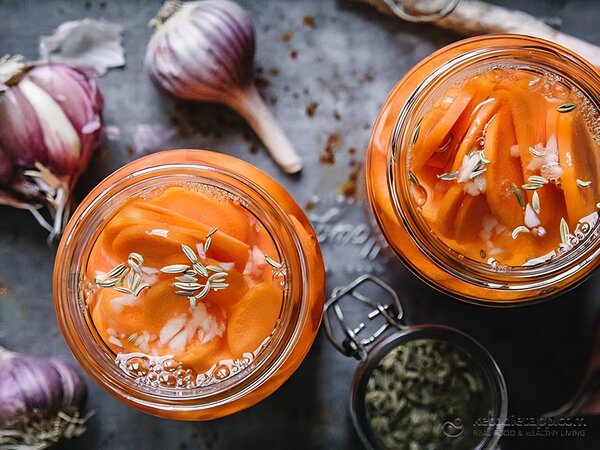
Gut-Healing Fermented Carrots
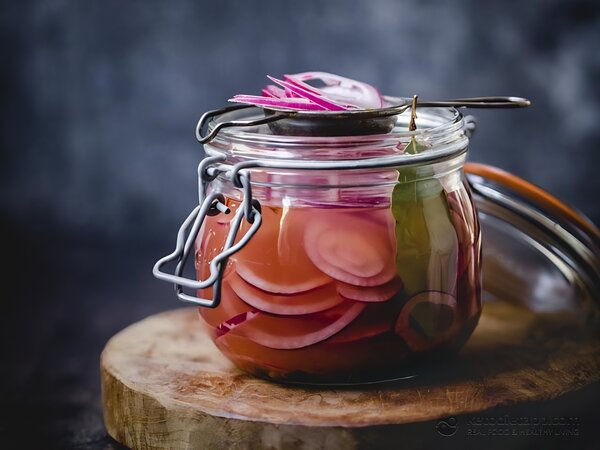
Quick & Easy Pickled Onions
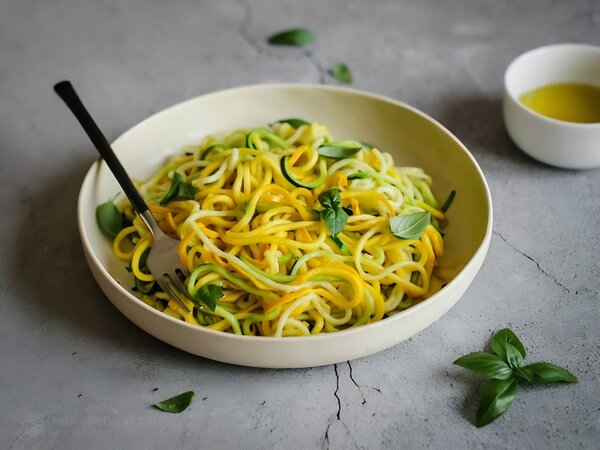
The Best Way To Cook Zucchini Noodles
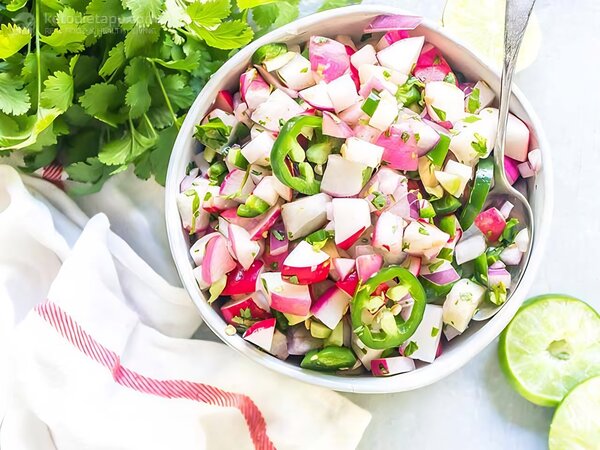
Simple Low-Carb Radish Salsa
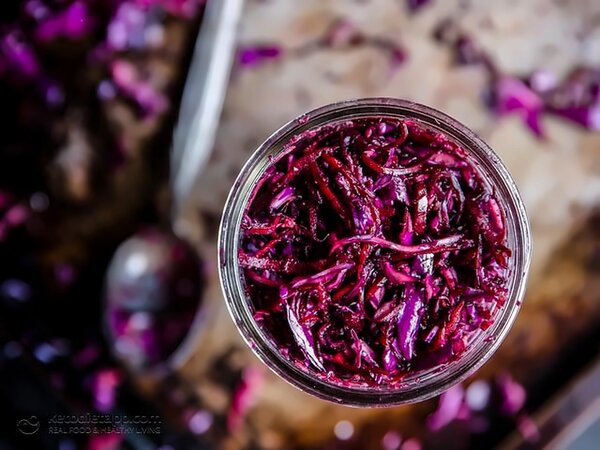
Homemade Pink Sauerkraut
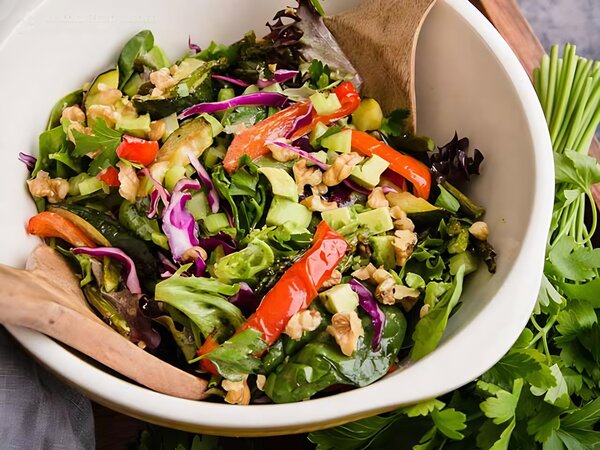
Superfood Low-Carb Veggie Salad Bowl
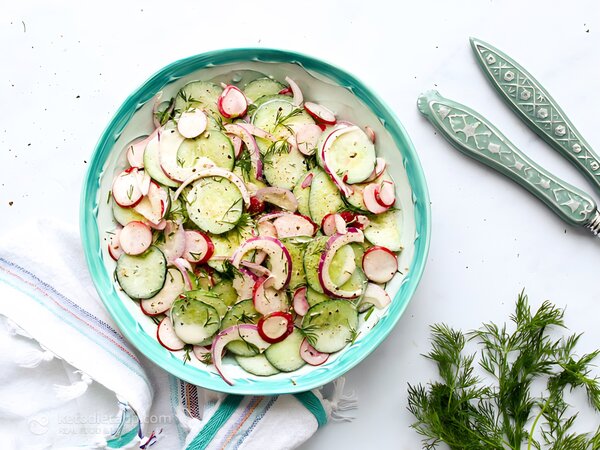
The Best Cucumber & Radish Salad
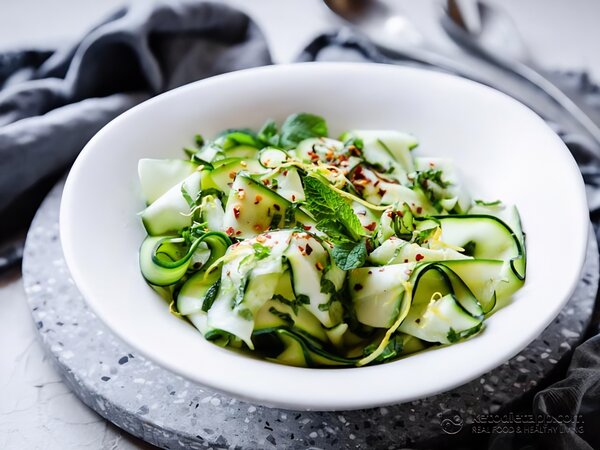
Low-Carb Zucchini & Mint Salad
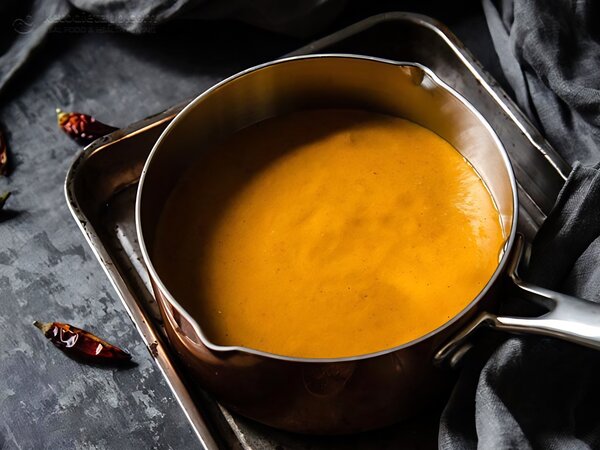
Low-Carb Curry Simmer Sauce
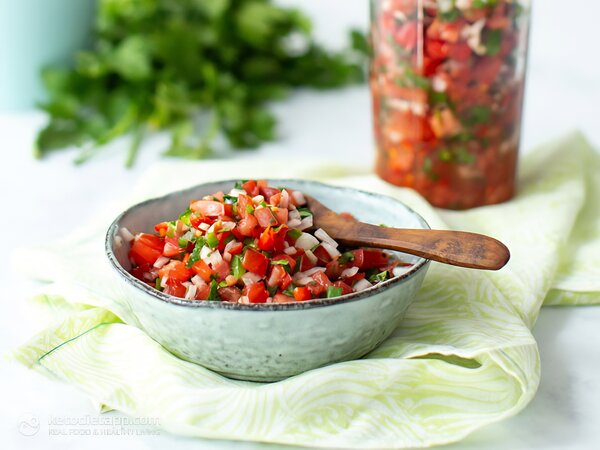
Simple Tomato Salsa (Pico De Gallo)
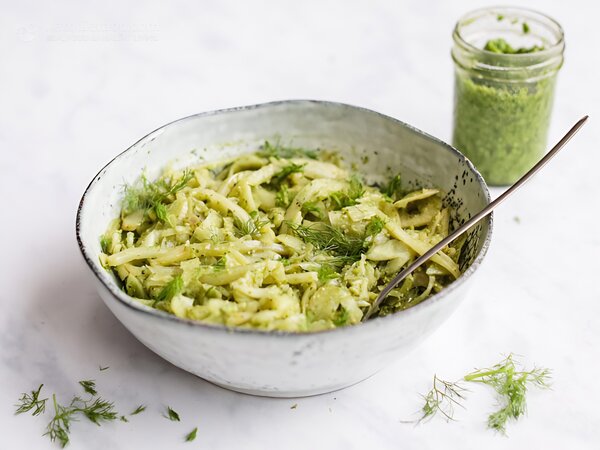
Low-Carb Fennel Pesto Noodles
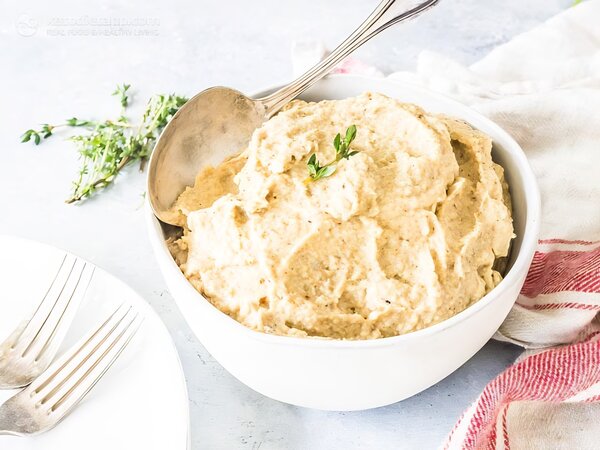
Roasted Cauliflower Mash
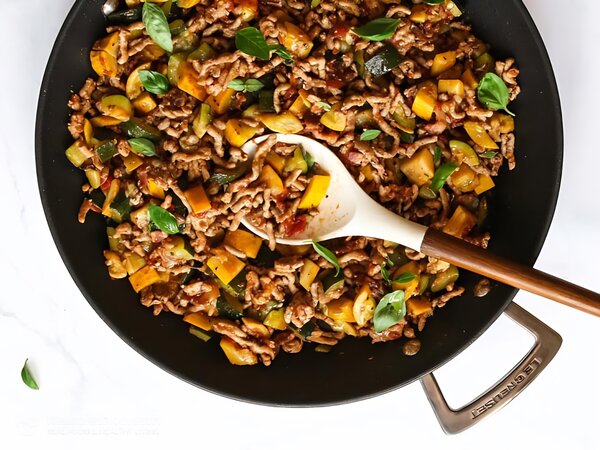
Easy Italian Pork Zucchini Skillet
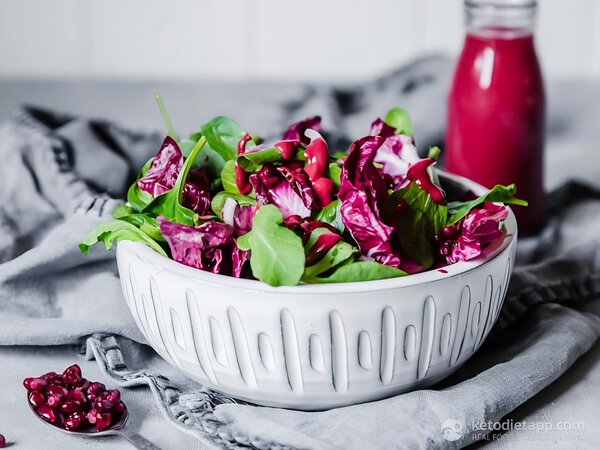
Mixed Leaf Salad with Sugar-Free Raspberry Vinaigrette
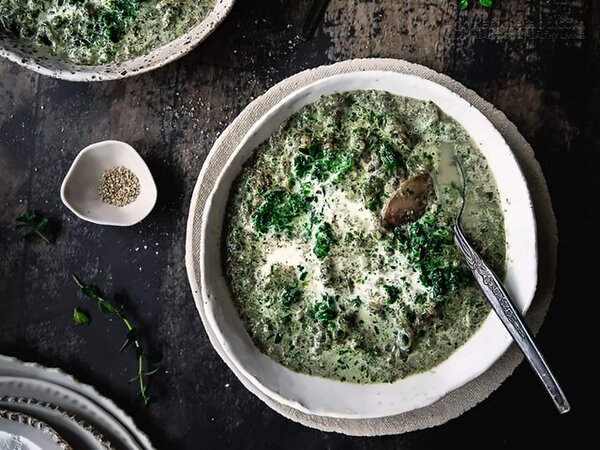
Low-Carb Spinach & Mushroom Soup
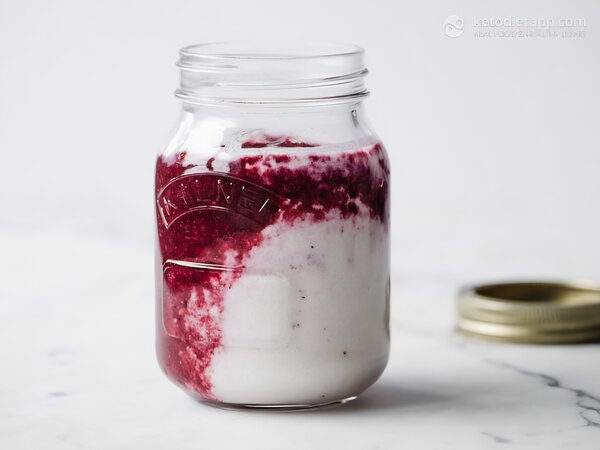
How To Make Coconut Yogurt at Home
Comments & ratings (2)
I've read this 3 times and I do not see anything lacto about this. Where's the Lacto, salt IS NOT lacto
Traditional lacto-fermentation involves submerging vegetables in a brine solution— salt and water. I hope this helps. More at: https://www.thespruceeats.com/how-lacto-fermentation-works-1327598