The Best Way To Cook Zucchini Noodles
 Martina Slajerova
- Ready in 30m
- 4.2 g net carbs
- 94 kcal
- Serves 2
This post may contain affiliate links, see our disclaimer.

Zucchini noodles are a great option for those following a healthy low-carb or keto diet. Ever since I went keto, I was trying to find easy swaps for common high-carb foods.
Zucchini is one of the best vegetables for a low-carb diet, and it is also one of the best sources of potassium which is especially important for those who are new to the keto diet when keto flu is more likely to be an issue.
This is my foolproof guide to preparing and cooking zucchini noodles (aka zoodles). Don't expect them to taste like pasta but do expect better, more pleasant texture that's not mushy or watery. I don't cook zoodles any other way!
When using zucchini as a side dish on a keto diet, these are my recommended serving sizes:
- 1 small zucchini (150 g/5.3 oz): 3.2 g net carbs, 4.7 g total carbs
- 1 medium zucchini (200 g/7 oz): 4.2 g net carbs, 6.2 g total carbs
- 1 large zucchini (250 g/8.8 oz): 5.3 g net carbs, 7.8 g total carbs
I always try to keep my meals below 10 grams net carbs, or up to 15 grams of net carbs as part of my occasional intermittent fasting routine. The rule I follow is that I use a small zucchini in dishes that include other vegetables and aromatics such as tomatoes, mushrooms and onion, as they tend to be higher in carbs. I use a medium or large zucchini when I serve it as the only vegetable and I know the meal will easily fit in my carb allowance.
You can use our KetoDiet App to make any adjustments in your meals and instantly see how they impact your macros, especially net carbs.
Step-by-step
To make zucchini noodles, you can use any summer squash — green and/or yellow. Use as many pieces as you make servings.

Use a julienne peeler or a spiralizer to turn the zucchini into thin or wide “noodles.” Chop the soft cores.

Place the noodles in a large bowl or a baking tray. Add the chopped zucchini cores. (Try to keep them in one place as you'll be cooking these first.) Sprinkle the noodles with salt and let them sit for 10 minutes.
Use a paper towel to pat them dry and remove excess moisture. Set aside. Alternatively, place in a salad spinner to remove excess moisture.

Grease a skillet with olive oil (or ghee or avocado oil). Add the chopped zucchini cores and cook for 2 to 3 minutes.
Add the zucchini noodles and cook for 2 to 5 minutes. (I prefer mine lightly cooked, al dente, so I only cook them for a minute. You can even eat them raw.) Alternatively, you can keep them in the baking tray and cook in the oven preheated to 175 °C/ 350 °F (fan assisted), or 195 °C/ 380 °F (conventional) for about 15 minutes, tossing half way through the cooking process.

If you're not planning to eat the noodles immediately or on the same day, it's best to store them uncooked in the fridge in a sealed container for 2 to 3 days. Cook just before serving.

Recipe
The Best Way To Cook Zucchini Noodles
★★★★★4.6A foolproof step-by-step guide to preparing zucchini noodles. No mushy zoodles that have a great texture. You ...
- Hands on
- 10m
- Overall
- 30m
- Servings
- 2
- 4.2 g
- Net carbs
- 2.4 g
- Protein
- 7.4 g
- Fat
- 94
- kcal
Ingredients makes 2 servings
Instructions
To make zucchini noodles, you can use any summer squash — green and/or yellow. Use as many pieces as you make servings.
Use a julienne peeler or a spiralizer to turn the zucchini into thin or wide “noodles.” Chop the soft cores.
Place the noodles in a large bowl or a baking tray. Add the chopped zucchini cores. (Try to keep them in one place as you'll be cooking these first.) Sprinkle the noodles with salt and let them sit for 10 minutes.
Use a paper towel to pat them dry and remove excess moisture. Set aside. Alternatively, place in a salad spinner to remove excess moisture.
Grease a skillet with olive oil (or ghee or avocado oil). Add the chopped zucchini cores and cook for 2 to 3 minutes.
Add the zucchini noodles and cook for 2 to 5 minutes. (I prefer mine lightly cooked, al dente, so I only cook them for a minute. You can even eat them raw.) Alternatively, you can keep them in the baking tray and cook in the oven preheated to 175 °C/ 350 °F (fan assisted), or 195 °C/ 380 °F (conventional) for about 15 minutes, tossing half way through the cooking process.
If you're not planning to eat the noodles immediately or on the same day, it's best to store them uncooked in the fridge in a sealed container for 2 to 3 days. Cook just before serving.
Nutrition per serving, about 1 cup
Carbs 18%Protein 10%Fat 72% of calories
- Net carbs
- 4.2 g
- Total carbs
- 6.2 g
- Fiber
- 2 g
- Sugars
- 5 g
- Protein
- 2.4 g
- Fat
- 7.4 g
- Saturated fat
- 1.1 g
- Calories
- 94 kcal
- Sodium
- 598 mg · 26% RDA
- Magnesium
- 36 mg · 9% RDA
- Potassium
- 522 mg · 26.1% EMR
Nutrition by ingredient
| Per about 1 cup | Net carbs | Protein | Fat | kcal |
|---|---|---|---|---|
| Zucchini (summer squash, courgette) | 4.2 g | 2.4 g | 0.6 g | 34 |
| Salt, sea salt | 0 g | 0 g | 0 g | 0 |
| Olive oil, extra virgin | 0 g | 0 g | 6.8 g | 60 |
| Total | 4.2 g | 2.4 g | 7.4 g | 94 |
Serving size about 1 cup
- Gluten free
- Dairy free
- Egg free
- Nut free
- Nightshade free
- Pork free
- Avocado free
- Coconut free
- Fish free
- Shellfish free
- Beef free
- Pescatarian
- Low FODMAP
- Vegetarian
- Vegan
Serve it with
Dishes that go well with cooked vegetables and low-carb pasta.
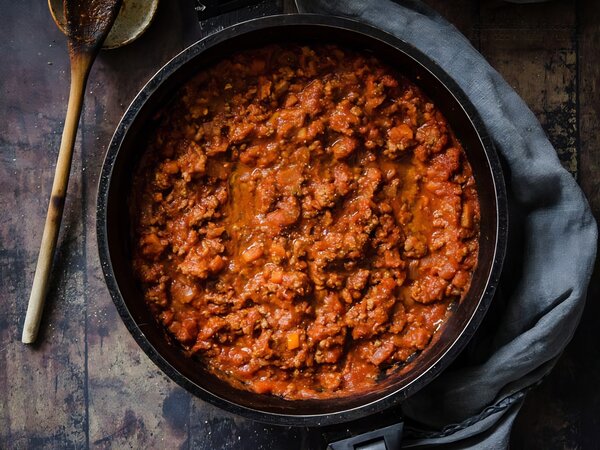
Easy Low-Carb Bolognese Sauce
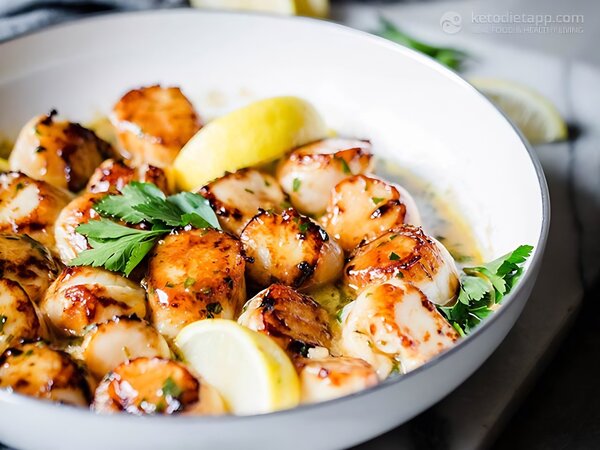
Seared Scallops in Garlic-Lemon Butter Sauce
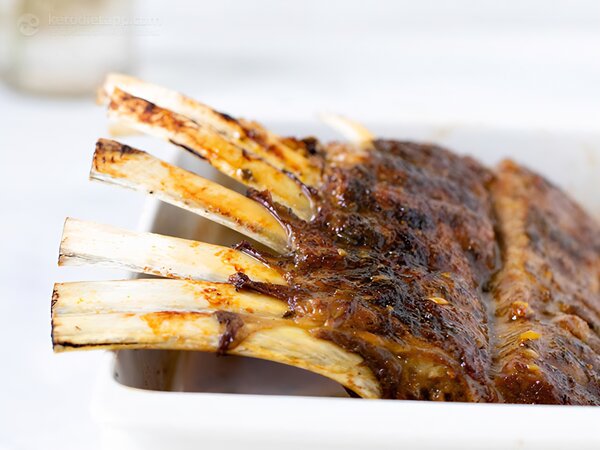
Easy Instant Pot Rack Of Lamb
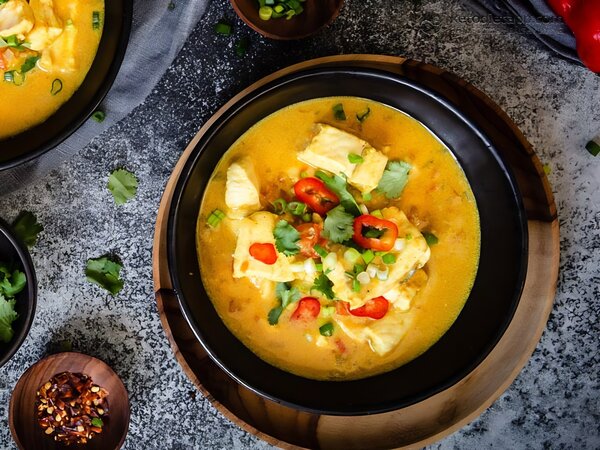
In-A-Hurry Fish Curry
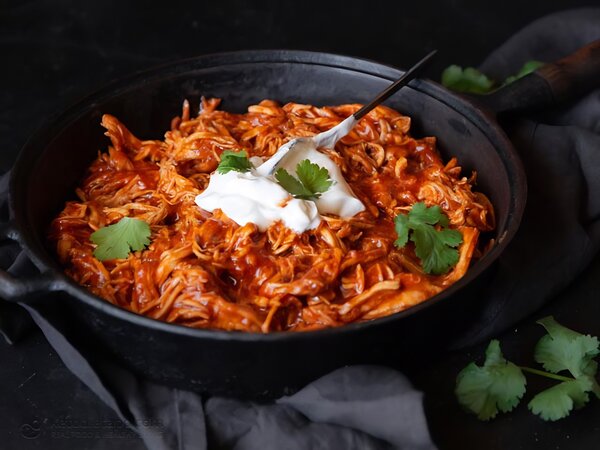
Low-Carb Sweet & Smoky Pulled Chicken
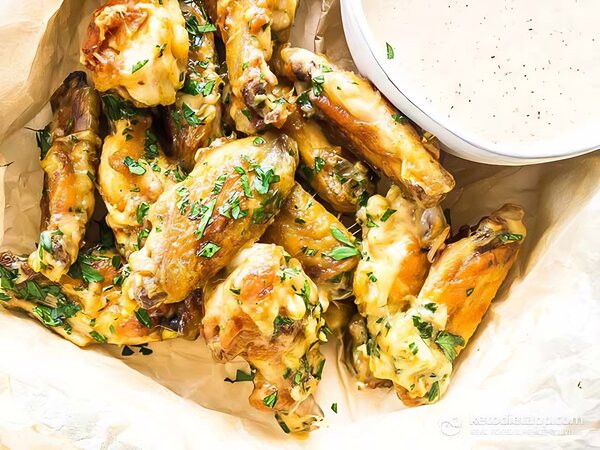
Keto Garlic Parmesan Chicken Wings
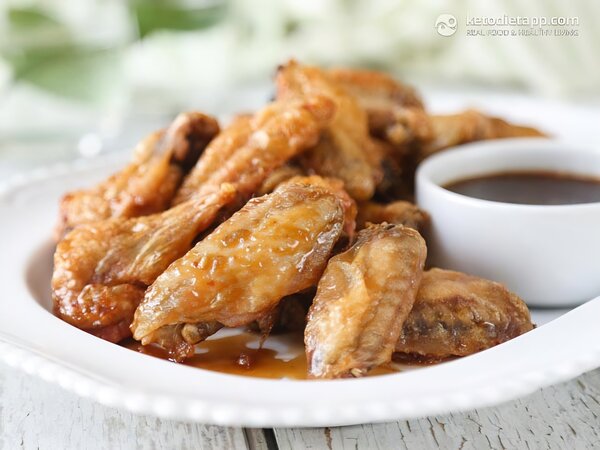
Keto Chili-Lime Crispy Chicken Wings
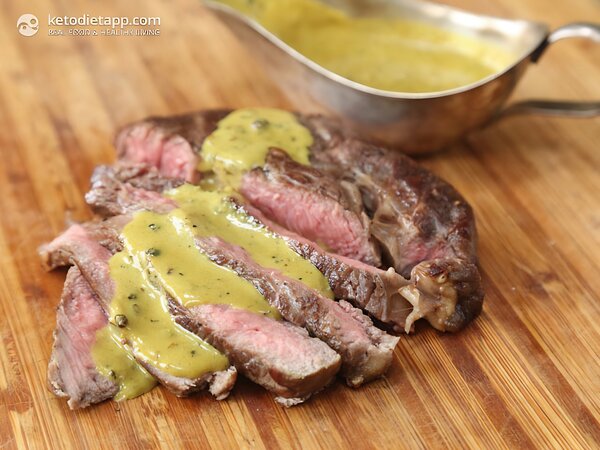
Steak with Quick Mustard & Peppercorn Sauce
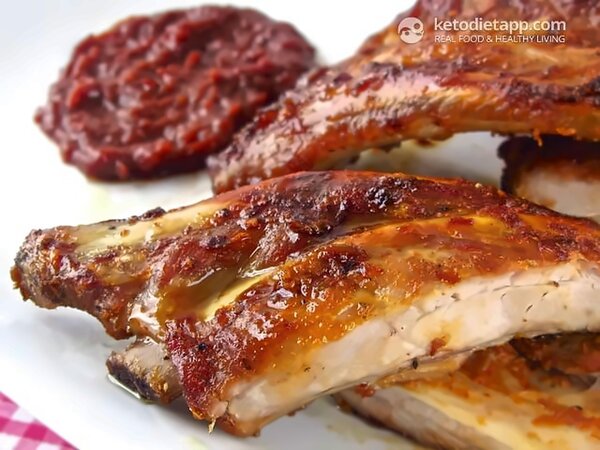
Low-Carb BBQ Pork Ribs
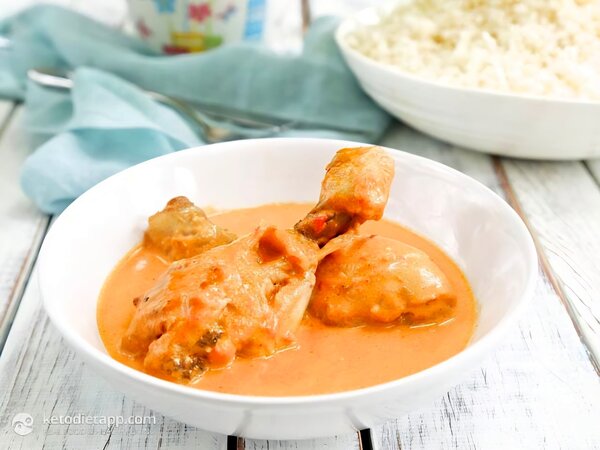
Easy Low-Carb Paprika Chicken
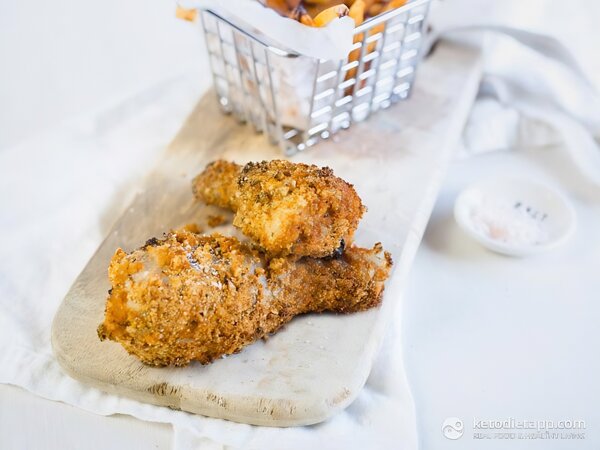
Oven Baked Keto Southern Fried Chicken
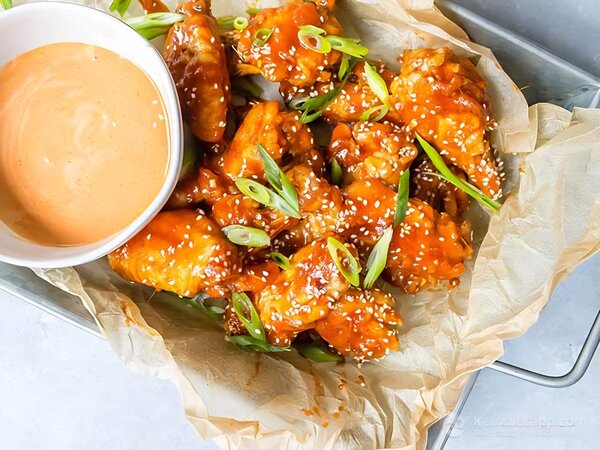
Keto Korean Chicken Wings
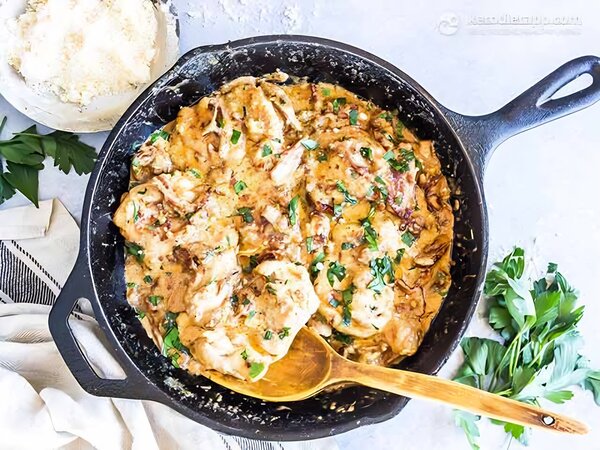
Keto Sun-Dried Tomato Chicken
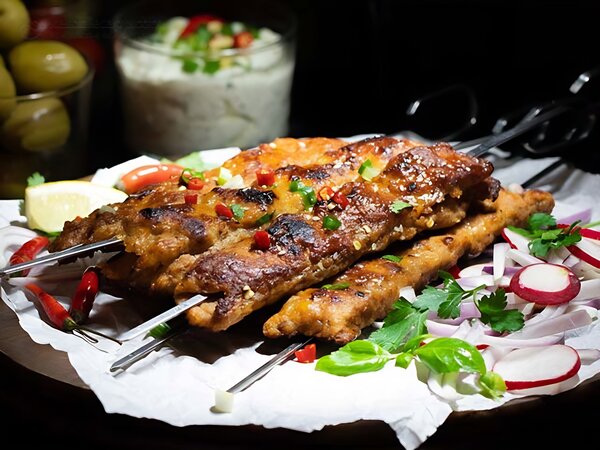
Low-Carb Chicken Seekh Kebabs
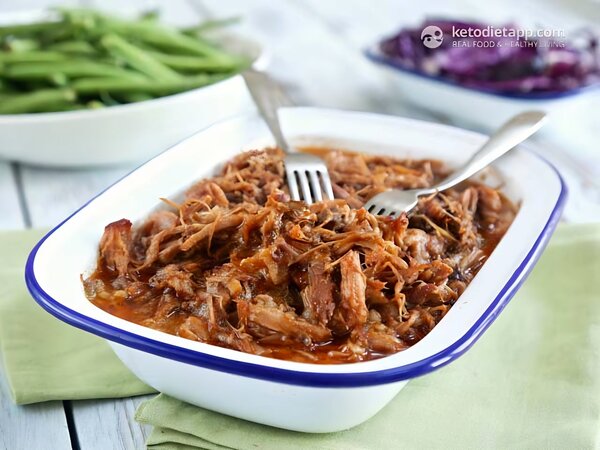
Keto Pulled Pork with BBQ Sauce
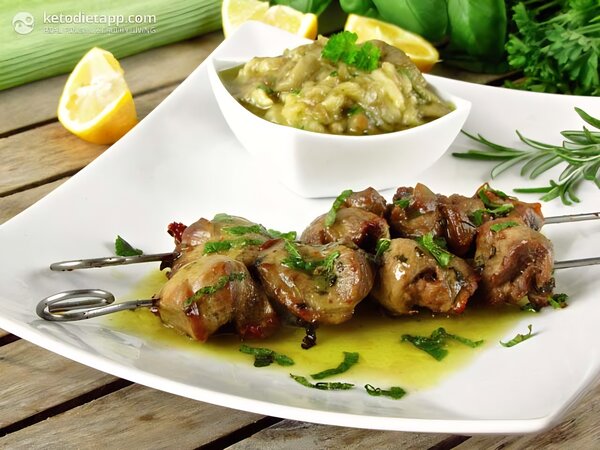
Lamb Souvlaki - Greek Lamb Skewers
You may also like
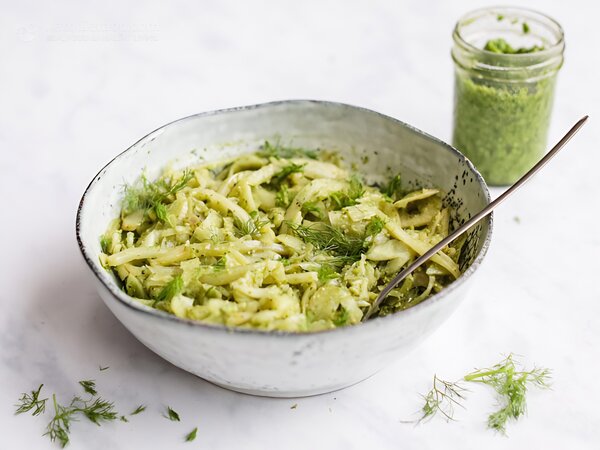
Low-Carb Fennel Pesto Noodles
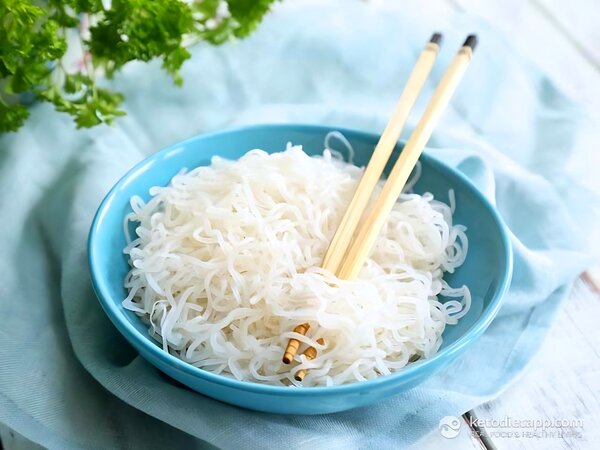
How To Cook & Like Shirataki Noodles
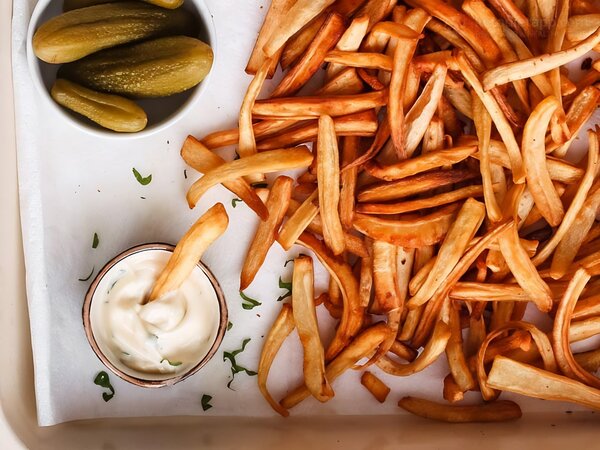
Crispy Low-Carb French Fries
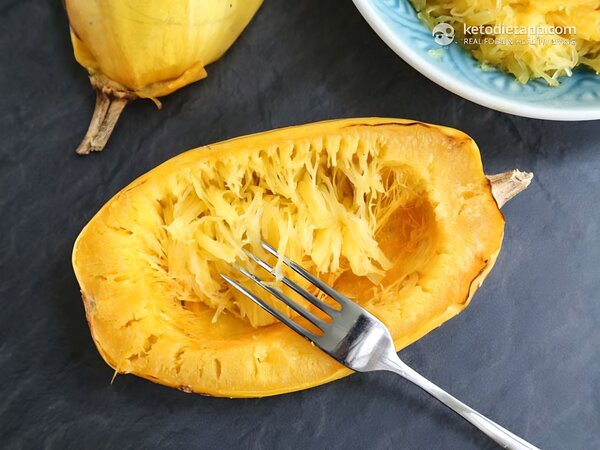
How To Cook Spaghetti Squash
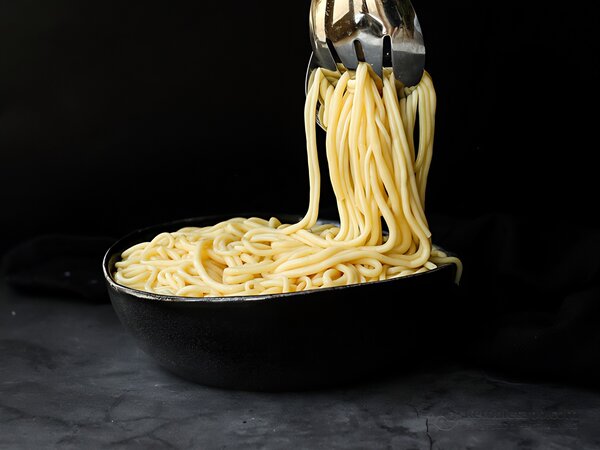
The Best Keto Spaghetti Pasta Noodles
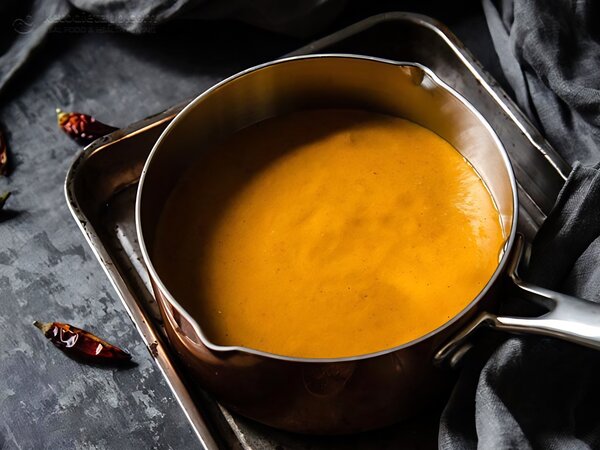
Low-Carb Curry Simmer Sauce
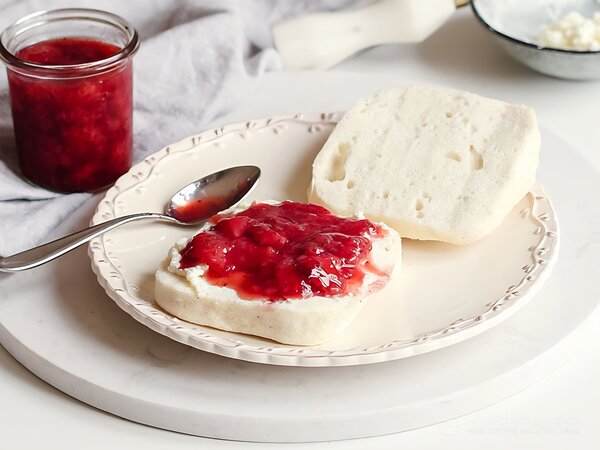
90 Second Keto White Bread
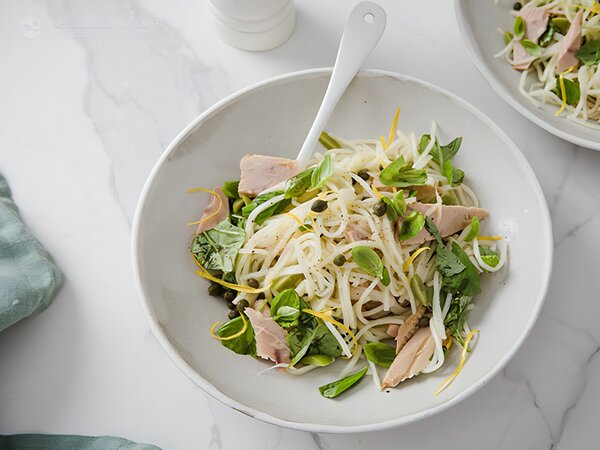
Easy Keto No Cook Tuna Pasta
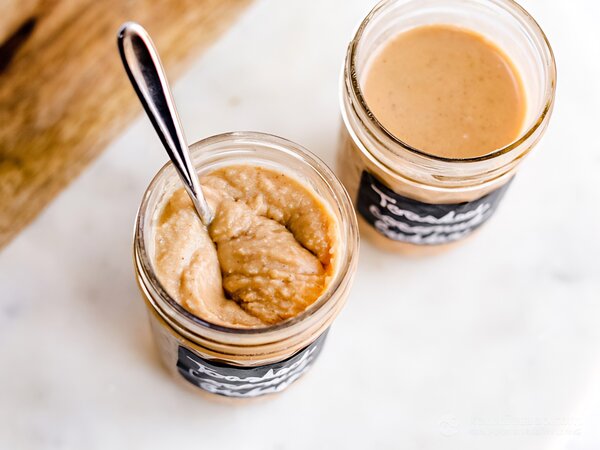
Homemade Toasted Coconut Butter
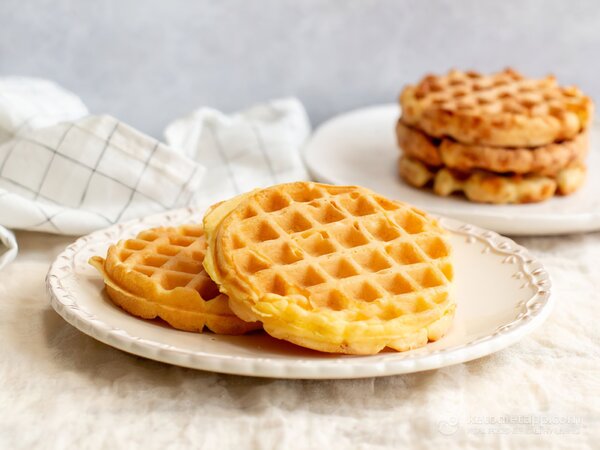
The Best Ever Keto Chaffles
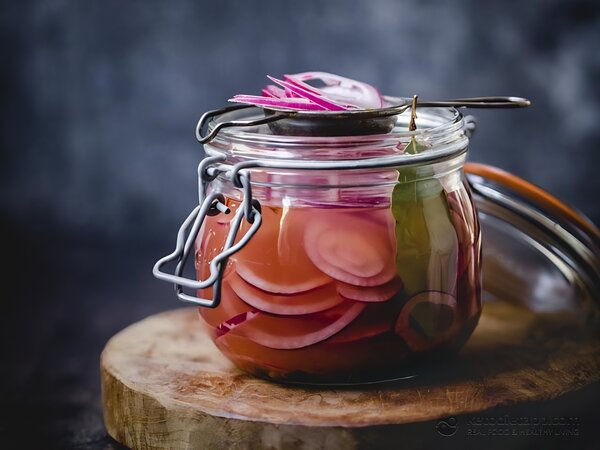
Quick & Easy Pickled Onions
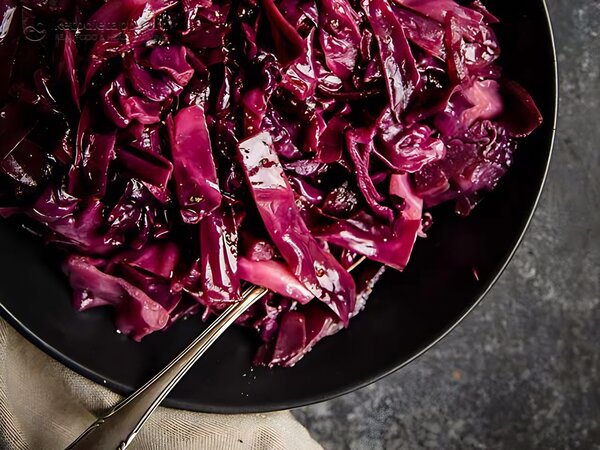
Super Simple Low-Carb Braised Red Cabbage
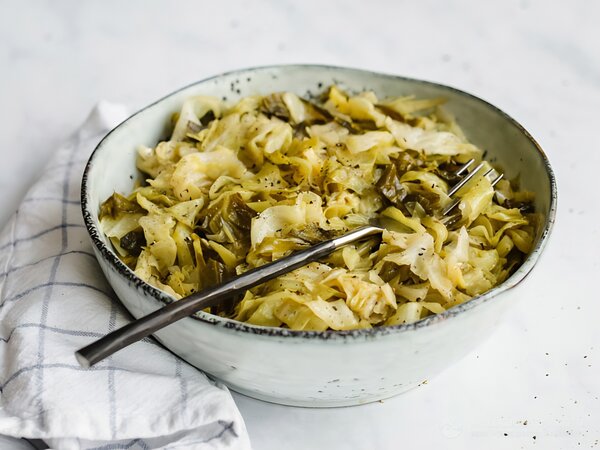
Easy Keto Cabbage Noodles
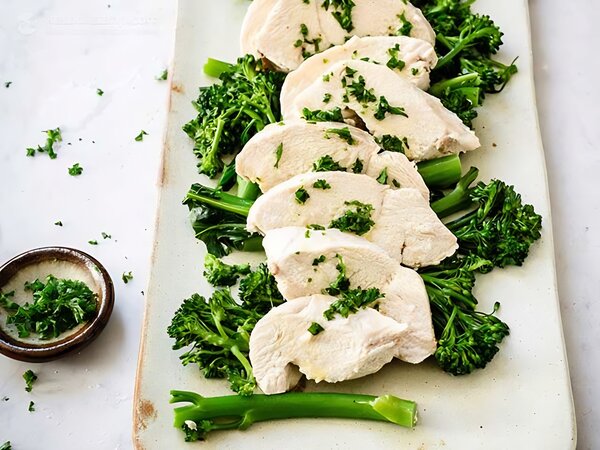
Easy Poached Chicken with Lemon Sauce
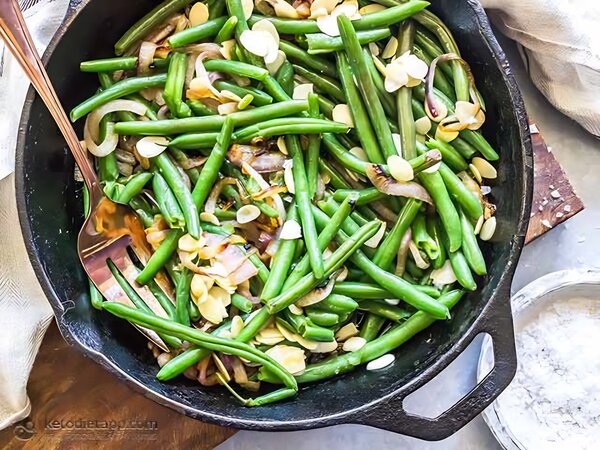
Skillet Almond Green Beans
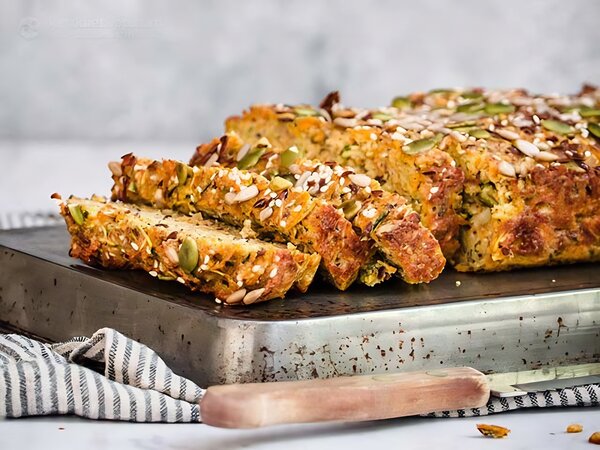
Savory Keto Veggie Loaf
Comments & ratings (3)
Holy cow! I never knew I could use the salad spinner for this purpose. I'm so glad I read this.
I prefer a salad spinner to remove excess water. Works great and better for the environment!
Good point, thank you Lisa, I'll add that in the notes ❤️