How To Cook Spaghetti Squash
 Martina Slajerova
- Ready in 1h
- 7.8 g net carbs
- 42 kcal
- Serves 6
This post may contain affiliate links, see our disclaimer.

If you ever tried to find spaghetti squash in the UK, you know it's almost an impossible task. I always envied my American friends who were enjoying this fantastic low-carb vegetable served with keto meals all year round.
Last year I decided to grow my own. And I failed... twice. In both cases the plant was destroyed by vine borerTrusted sourceWikipediaWikipedia is written collaboratively by largely anonymous volunteers who write without pay.Open link before any squash could grow. My lack of gardening skills and the notoriously wet English weather didn't help either. In the end I only managed to save two tiny fruits which was enough to try spaghetti squash for the first time. My first attempt at cooking it wasn't very successful and it ended up being too watery and mushy. I needed to try a different cooking method.
Luckily I found some more squashes in London and had enough to try different cooking methods. I've seen tips for steaming, microwaving and even slow cooking in a crockpot but none of these worked for me. My preferred way to cook spaghetti squash is roasting it in the oven. This way you avoid any unwanted moisture and mushy strands.
Don't have high expectations if you are looking for a perfect replacement for pasta. Spaghetti squash, which is technically a fruit, does not taste like pasta. It's sweeter than zucchini noodles and contains slightly more carbs but it's still suitable for the ketogenic diet.
Step-by-step
Preheat the oven to 200 °C/ 400 °F (fan assisted), or 220 °C/ 425 °F (conventional). Cut the spaghetti squash in half, either lengthwise or widthwise (if you cut it widthwise, you'll get slightly longer strands once it's cooked). The skin of uncooked spaghetti squash is hard and it's difficult to cut through. Use the tip of a chef's knife to break through the skin in the middle part and push the blade down until cut through. Using a spoon, scoop out the seeds.

Optionally, brush with ghee and season with salt. You can use any other fat or oil suitable for cooking (lard, duck fat, coconut oil or olive oil). Cover with a foil (it will prevent the squash from burning on top before it cooks through), place in the oven and cook for 30 minutes. This timing works for medium-large spaghetti squash. Small quash will only need 15-20 minutes.

After 30 minutes, remove the foil and cook for another 10-20 minutes. When done, remove from the oven and let it cool down on a rack for 5-10 minutes. Using a fork, pull the strands out and place in a bowl. To serve, top with sauces such as Marinara, Keto Cheese Sauce, Pesto or Alfredo Sauce and serve with meatballs, meat skewers or simply topped with grated Parmesan cheese.
Cooked spaghetti squash can be stored in the fridge in an airtight container for up to 5 days. For longer storage, place in plastic bags divided in manageable portions, flatten and freeze flat for up to 6 months. When ready to serve, let the prepared squash defrost at room temperature or in the fridge.

Alternative baking tip: You can bake the squash cut-side down for 40-50 minutes (25-30 minutes for small squash). When done, remove from the oven and let it cool down before turning cut-side up and pulling the strands out. This way the squash will steam without too much moisture left in the squash and without developing the caramelised top commonly seen when you bake it cut-side up. Either method works great so it's up to you which one you use.

Recipe
How To Cook Spaghetti Squash
★★★★★4.7Easy foolproof method to prepare spaghetti squash. Learn how to make this healthy alternative to pasta in a ...
- Hands on
- 5m
- Overall
- 1h
- Servings
- 6
- 7.8 g
- Net carbs
- 1 g
- Protein
- 0.4 g
- Fat
- 42
- kcal
Ingredients
Instructions
Preheat the oven to 200 °C/ 400 °F (fan assisted), or 220 °C/ 425 °F (conventional). Cut the spaghetti squash in half, either lengthwise or widthwise (if you cut it widthwise, you'll get slightly longer strands once it's cooked). The skin of uncooked spaghetti squash is hard and it's difficult to cut through. Use the tip of a chef's knife to break through the skin in the middle part and push the blade down until cut through. Using a spoon, scoop out the seeds.
Optionally, brush with ghee and season with salt. You can use any other fat or oil suitable for cooking (lard, duck fat, coconut oil or olive oil). Cover with a foil (it will prevent the squash from burning on top before it cooks through), place in the oven and cook for 30 minutes. This timing works for medium-large spaghetti squash. Small quash will only need 15-20 minutes.
After 30 minutes, remove the foil and cook for another 10-20 minutes. When done, remove from the oven and let it cool down on a rack for 5-10 minutes. Using a fork, pull the strands out and place in a bowl. To serve, top with sauces such as Marinara, Keto Cheese Sauce, Pesto or Alfredo Sauce and serve with meatballs, meat skewers or simply topped with grated Parmesan cheese.
Cooked spaghetti squash can be stored in the fridge in an airtight container for up to 5 days. For longer storage, place in plastic bags divided in manageable portions, flatten and freeze flat for up to 6 months. When ready to serve, let the prepared squash defrost at room temperature or in the fridge.
Alternative baking tip: You can bake the squash cut-side down for 40-50 minutes (25-30 minutes for small squash). When done, remove from the oven and let it cool down before turning cut-side up and pulling the strands out. This way the squash will steam without too much moisture left in the squash and without developing the caramelised top commonly seen when you bake it cut-side up. Either method works great so it's up to you which one you use.
Nutrition per cup, 155 g/ 5.5 oz
Carbs 80%Protein 10%Fat 10% of calories
- Net carbs
- 7.8 g
- Total carbs
- 10 g
- Fiber
- 2.2 g
- Sugars
- 3.9 g
- Protein
- 1 g
- Fat
- 0.4 g
- Saturated fat
- 0.1 g
- Calories
- 42 kcal
- Sodium
- 28 mg · 1.22% RDA
- Magnesium
- 17 mg · 4.25% RDA
- Potassium
- 180 mg · 9% EMR
Nutrition by ingredient
| Per cup, 155 g/ 5.5 oz | Net carbs | Protein | Fat | kcal |
|---|---|---|---|---|
| Squash, spaghetti, winter squash, cooked | 7.8 g | 1 g | 0.4 g | 42 |
| Total | 7.8 g | 1 g | 0.4 g | 42 |
Serving size cup, 155 g/ 5.5 oz
- Gluten free
- Dairy free
- Egg free
- Nut free
- Nightshade free
- Pork free
- Avocado free
- Coconut free
- Fish free
- Shellfish free
- Beef free
- Pescatarian
- Low FODMAP
- Vegetarian
- Vegan
Serve it with
Dishes that go well with cooked vegetables.
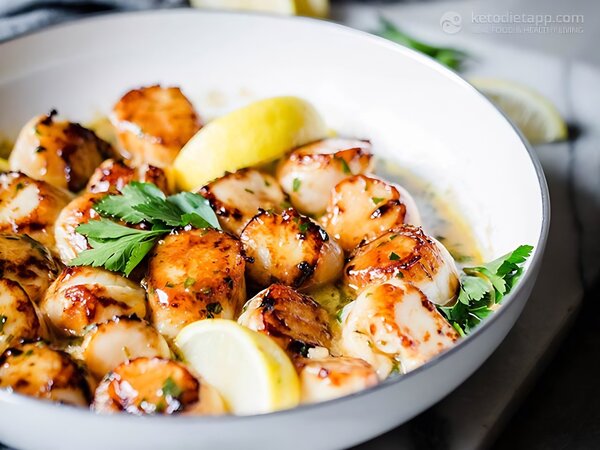
Seared Scallops in Garlic-Lemon Butter Sauce
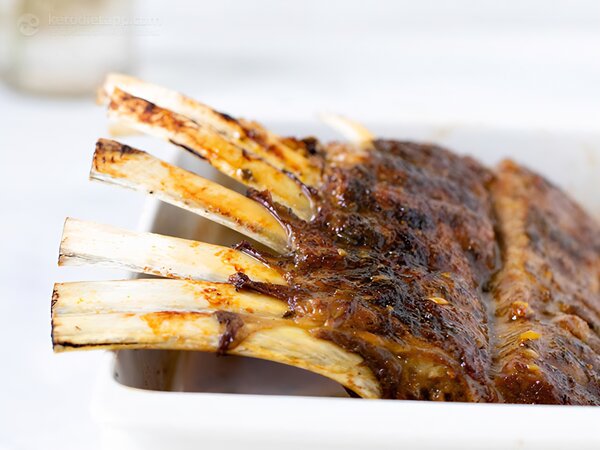
Easy Instant Pot Rack Of Lamb
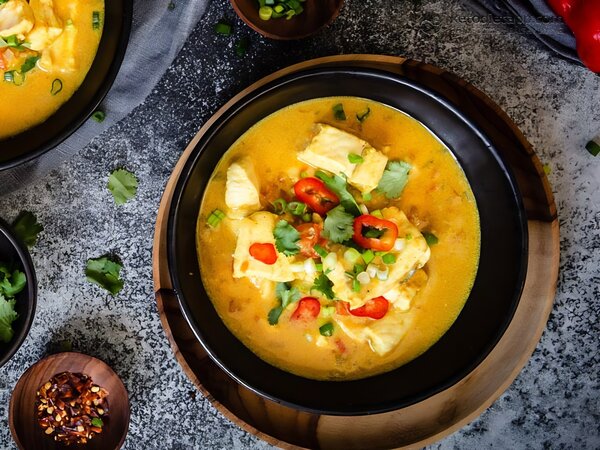
In-A-Hurry Fish Curry
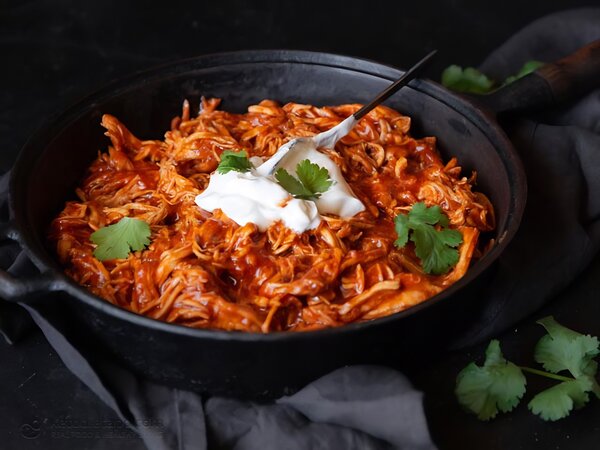
Low-Carb Sweet & Smoky Pulled Chicken
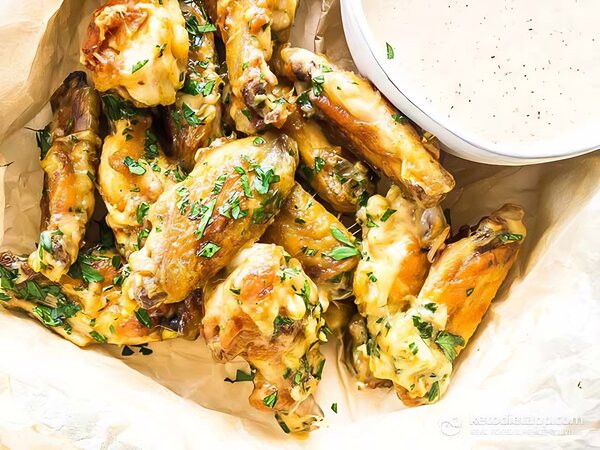
Keto Garlic Parmesan Chicken Wings
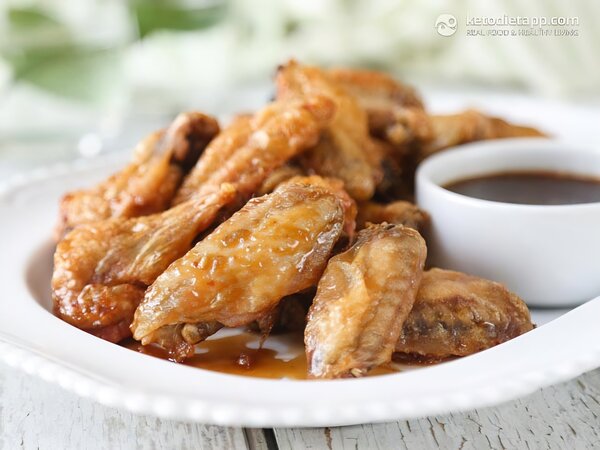
Keto Chili-Lime Crispy Chicken Wings
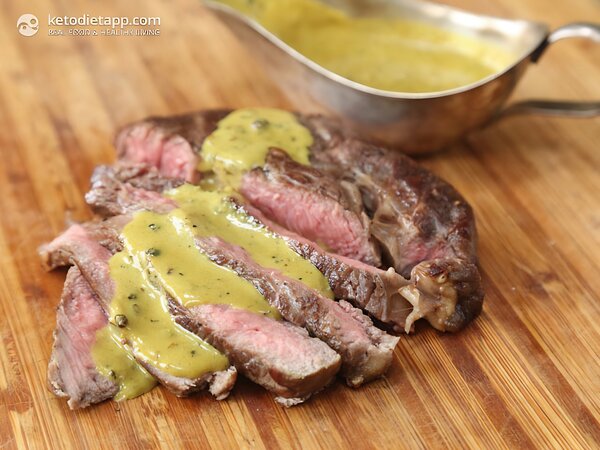
Steak with Quick Mustard & Peppercorn Sauce
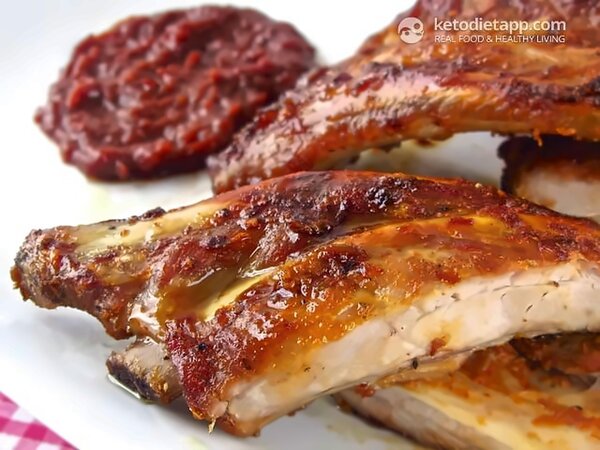
Low-Carb BBQ Pork Ribs
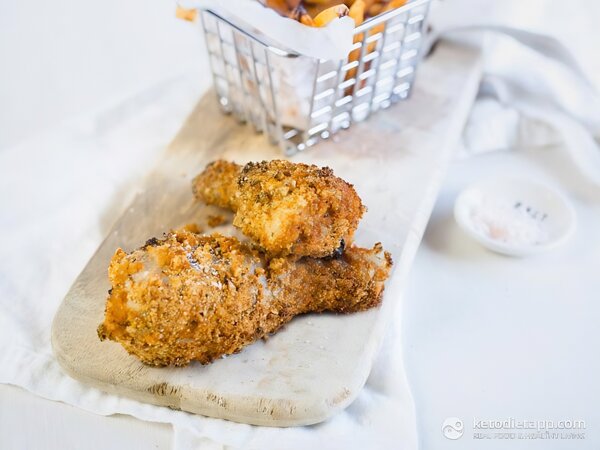
Oven Baked Keto Southern Fried Chicken
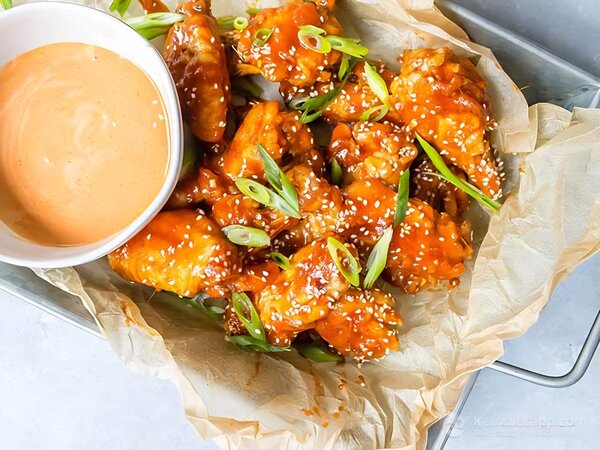
Keto Korean Chicken Wings
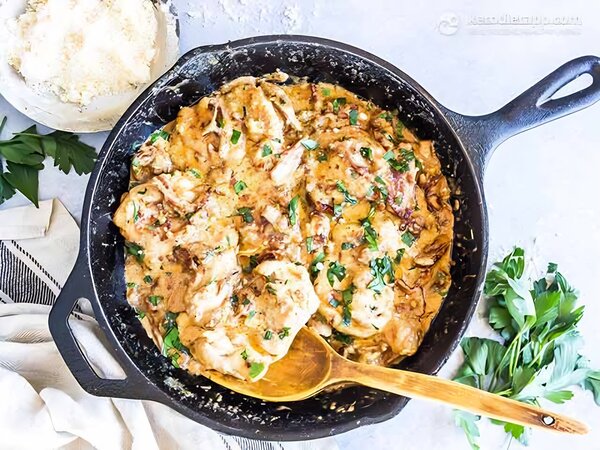
Keto Sun-Dried Tomato Chicken
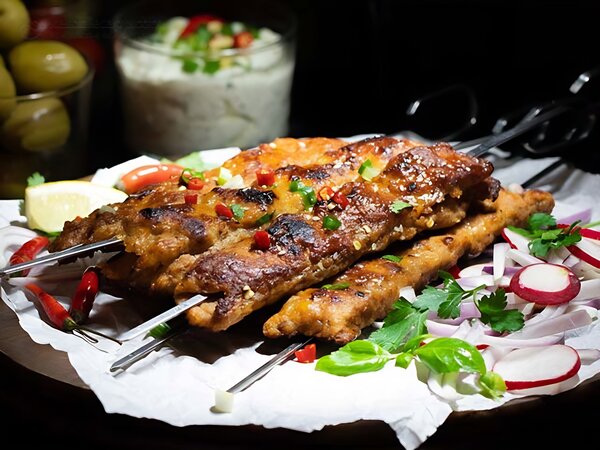
Low-Carb Chicken Seekh Kebabs
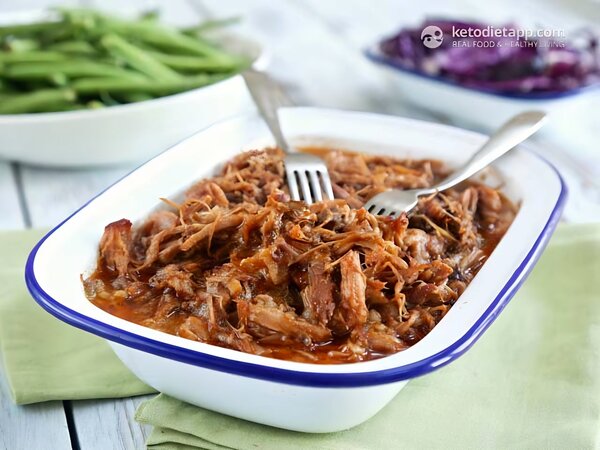
Keto Pulled Pork with BBQ Sauce
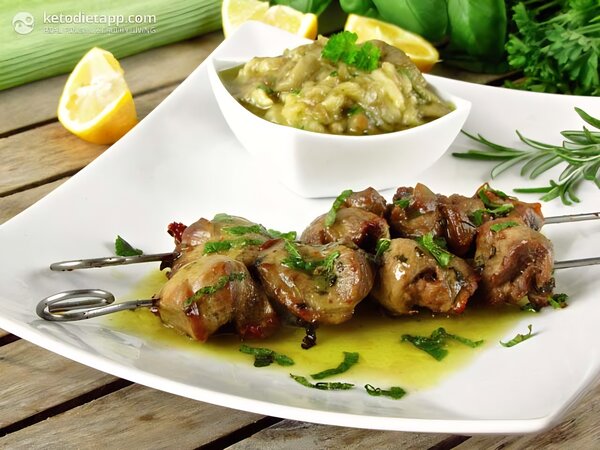
Lamb Souvlaki - Greek Lamb Skewers
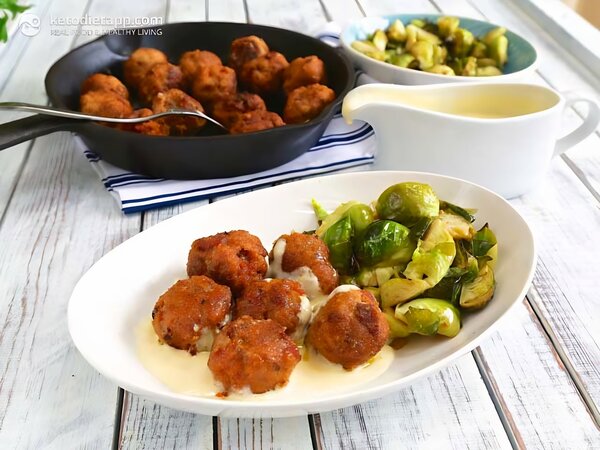
Low-Carb Spiced Chorizo Meatballs
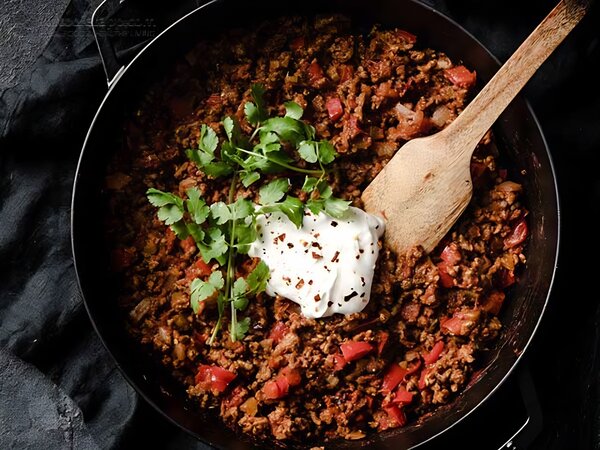
Super Simple Keto Chili
You may also like
The Best Way To Cook Zucchini Noodles
Low-Carb Fennel Pesto Noodles
Low-Carb Braised Fennel with Lemon
Crispy Low-Carb French Fries
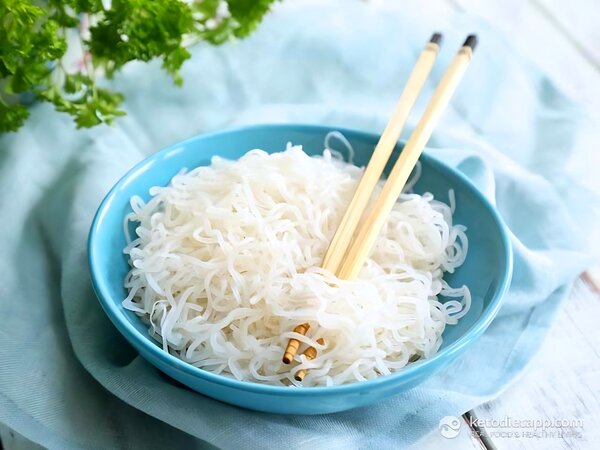
How To Cook & Like Shirataki Noodles
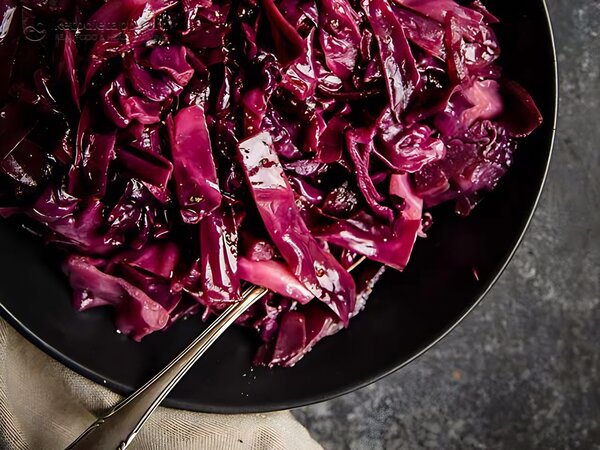
Super Simple Low-Carb Braised Red Cabbage
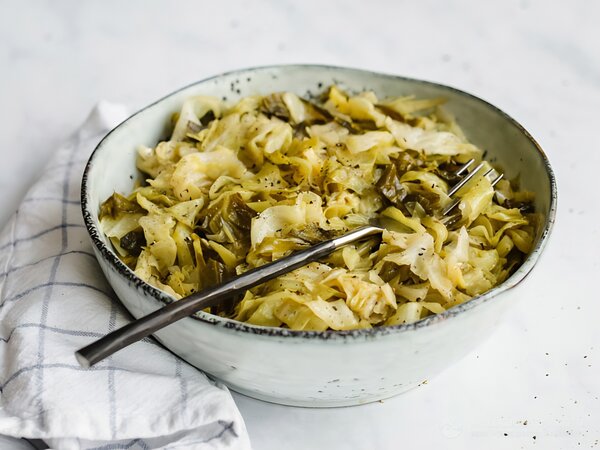
Easy Keto Cabbage Noodles
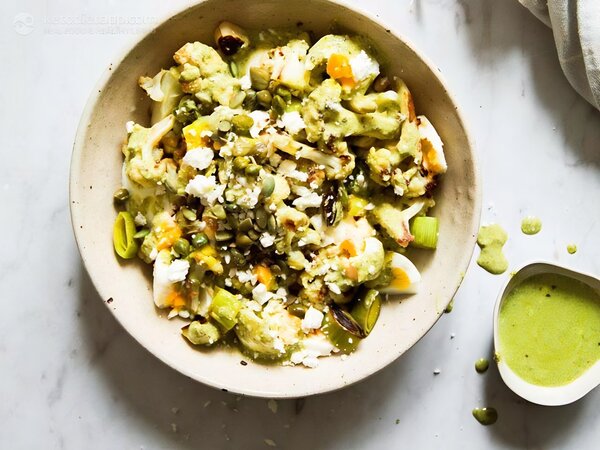
Low-Carb Spring Egg Salad
Creamy Cauliflower Mash
Skillet Almond Green Beans
Roasted Cauliflower Mash
Gut-Healing Fermented Carrots
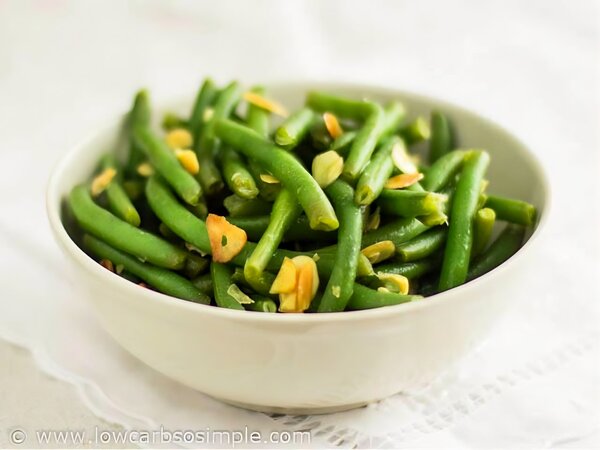
5-Ingredient Lemon Almond Green Beans
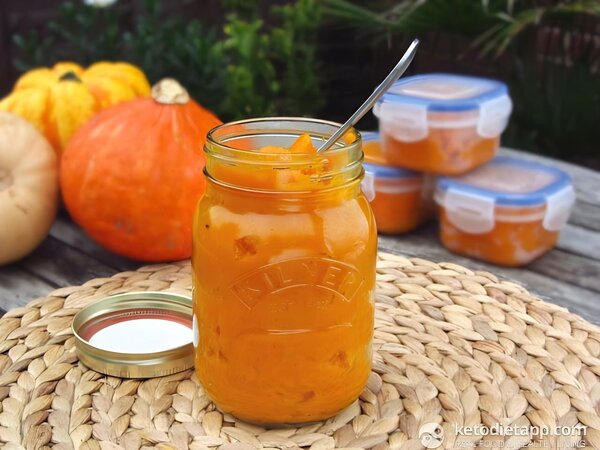
Homemade Pumpkin Purée
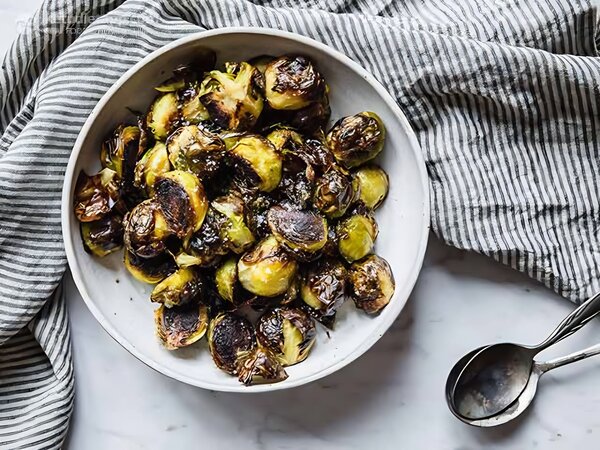
Low-Carb Crispy Roasted Brussels Sprouts
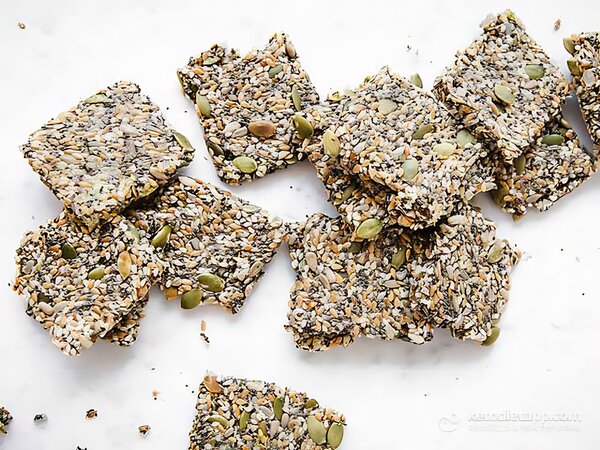
Crispy Multiseed Keto Crackers
Comments & ratings (13)
I will need to try some new recipes. thanks
My favourite way to cook this is to cut it widthwise into rings, coat with olive oil salt and pepper and bake at 400 for 30 mins. You end up with long “noodle” that are not watery.
That's brilliant! I'll need to try that this season 😊
I make a fair amount of spaghetti squash (readily available in the US) and have found the easiest way to cut the beast is to microwave it for 5 minutes first.
Stab the thing with a skewer a few times....or a meat fork, to let the steam out so it doesn't explode.
Put in in the microwave for 2 1/2 min on high. Flip over and do another 2 1/2 minutes.
Now you can cut the thing without risking a trip to the emergency room (A&E for my UK friends).
And I recommend cutting off the tough stem first as you can't cut through it...way too hard. Now with it off you can halve it lenthwise if that is your preferred division (better for stuffing).
Cook as otherwise instructed ....the microwaving doesn't seem to affect subsequent cooking time.
Thank you Deborah, that's great advice!
I just wanted to let you know that it's very easy to cook it whole in the oven as well, since the skin IS so hard. I put it in a glass baking dish, 400* F for an hour. Add about a 1/4 inch of water in the dish and cover loosely with aluminum foil. After an hour, see if a fork will poke through it fairly easily. That way the skin is super easy to cut! Cut in half (remember it'll be hot! and scoop out in strands as you said.
Happy eating!
Tracy
Thank you Tracy!
Raw winter squash is very hard to cut. There is an easier way to cook winter squash. Poke the uncut squash with a fork. Put it on a baking sheet and bake at 400F for 45 -60 minutes. When you can easily slide a knife into it then it is done. Remove it from the oven and let it cool so you can handle it. Then cut it in half and scoop out the seeds.
Thank you for sharing this, Mary!
If I roast it cut side down to reduce the amount of moisture, do I still cover it with foil?
Hi Connie, no, you won't need to cover it.
An hour to cook a vegetable? No wonder few people eat it
Have you ever cooked spaghetti squash? Well, that's what it takes. It can take 25-50 minutes, depending on the size. Of you can just steam/boil green beans, kale, etc. - that would take 5-8 minutes.