How To Cook & Like Shirataki Noodles
 Martina Slajerova
- Ready in 10m
- 1.5 g net carbs
- 4 kcal
- Serves 2
This post may contain affiliate links, see our disclaimer.
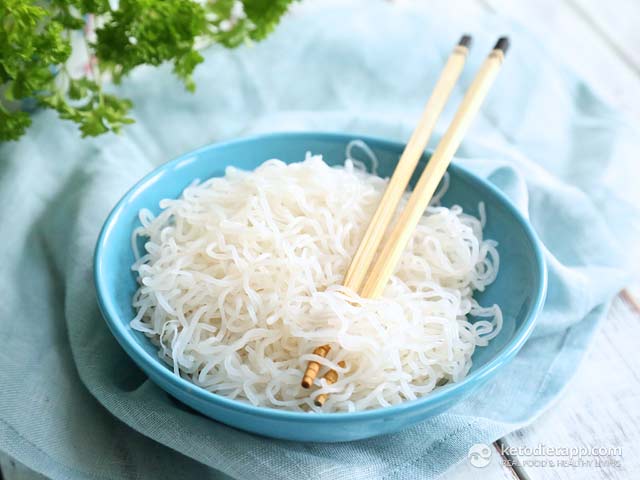
I've been getting e-mails asking about shirataki noodles and why I never use this zero-carb ingredient in my recipes. The reason was simple: I didn't like them... at all.
When I first tried shirataki noodles, I followed the instructions on the packaging which simply said to rinse them. I have to admit it was not the most pleasant experience. All I could remember was this terrible odor and rubbery texture. Low-carb or not, I thought it wasn't worth the effort and money!
That has all changed after I read this article by Low Carb Dietitian. I realized that I didn't really know how to prepare shirataki noodles.
What if I Don't Like the Taste and Texture?
Both taste and texture can be significantly improved if you follow this guide. The golden rule is to rinse them really well and pan-fry them without oil or other liquid in order to remove as much water as possible. The less water remains in the noodles, the better the texture. Once they are prepared, they can be cooked in sauces, gravies, with cheese or in stir-fries.
What Are Shirataki Noodles?
Shirataki noodles (aka miracle noodles, konjak noodles, or konnyaku noodles) is an ingredient popular in Asian cuisine. It's made from konjak plant which is ground and then shaped into noodles, fettuccini or even rice. Shirataki noodles are almost zero calorie and zero carb.
They are 97% water, 3% fibre and traces of protein, fat and calcium. There are 4 kcal and about 1 gram of net carbs per 100 g (3.5 oz) of shirataki noodles. If you find that the packaging says "zero" calories or "zero carbs", etc. it's because the FDA allowed products with less than 5 calories, less than 1 gram of carbs, protein and fat to be labeled as zero.
What Are the Benefits of Eating Shirataki Noodles?
This study showsTrusted sourceNational Center for Biotechnology InformationNCBI's mission is to develop new information technologies to aid in the understanding of fundamental molecular and genetic processes that control health and disease.Open link that glucomannan, a type of soluble fibre found in shirataki noodles, may help you lose weight and improve health. Interestingly, glucomannan powder can be used as thickener in smoothies or instead of xanthan gum. Below are the main benefits of glucomannan:
- Soluble fiber is very low in calories and lowers the energy-to-weight ratio of the food that is consumed.
- It has shown to promote satiety via several mechanisms. Including shirataki noodles will keep you full for longer!
- It slows down digestion which again induces satiety.
- It inhibits carbohydrate absorption and improves glycemic parameters (lowering blood glucose levels and inhibiting insulin spikes).
- It reduces fat and protein absorption (only beneficial for excessive calorie consumption).

Are There Any Side Effects of Eating Shirataki Noodles?
The same study shows that there are few potential side effects of glucomannan.
- It may cause minor gastrointestinal issues, such as bloating, gas, and mild diarrhea. If it does, reduce the serving size.
- It may reduce the bioavailability of oral medications. You should avoid eating shirataki noodles with your medication and supplements. The medication should be taken 1 hour before or 4 hours after your meal containing glucomannan.
- There have been some incidents of esophagus, throat or intestine blockage by using glucomannan tablets which absorb large amounts of water. Note that the tablets are not the same as shirataki noodles which already contain water and don't pose this risk.
- Since there are no nutrients, do not overuse products containing glucomannan. The vast majority of your diet should be focused on real food (eggs, meat, non-starchy vegetables, raw dairy, avocados, berries, nuts, etc).

Do Shirataki Noodles Taste Like Pasta?
If you really want to enjoy shirataki noodles, don't have high expectations. They won't taste like real pasta but they make a fantastic pasta alternative when they are prepared the right way.
You can find all sorts of products using glucomannan: noodles, fettuccini, penne or even rice. My favorite ones are noodles and rice simply because the texture is better and gets easily mixed with other ingredients, minimizing the rubbery sensation.
How to Cook Shirataki Noodles (The Best Way!)
The steps to the perfect shirataki noodles, rice or penne, follow the simple steps below:
Step 1: Rinse Well
Place the shirataki noodles in a colander and rinse under running water to remove any unwanted odor.
Step 2: Cook in Vinegar Water
Fill a saucepan with water, bring to a boil and cook the noodles for about 3 minutes. Adding a dash of vinegar helps remove any residual odor!
Step 3: Cook in Pan Without Oil
Drain the noodles, place in a hot dry pan and cook on high for about 10 minutes. This is a crucial step as it will improve the texture and make it less chewy and rubbery.
Step 4: Add To Your Meal
Use in stir-fries, cook in sauces or gravies, bake with cheese, and don't forget about flavor by using herbs and spices. Cooking shirataki directly in sauces makes the flavors penetrate so you have flavorful keto pasta dish.
How To Use Shirataki Noodles
You can use shirataki noodles just like rice noodles, egg noodles or spaghetti. They work best in stir-fries, or combined them with other nutritious options such as zucchini noodles or palmini noodles.
As shirataki noodles have no nutrients, use small amounts and mix them with other ingredients like vegetables, meat, sauce and/or cheese. Adding spices, herbs, garlic, ginger and other ingredients will infuse them with fantastic flavor and make them taste truly delicious!
Recipes With Shirataki Noodles
Looking for some tasty options to serve your shirataki noodles? Check out these recipes!
- Easy Keto Pad Thai
- Keto Shirataki Noodles with Creamy Cheese Sauce
- Keto Asian Vegetable & Noodle Stir-Fry (uses shirataki fettuccine)
- Prawn & Noodle Stir-Fry
- Vegetable Laksa with Shirataki Noodles
- The Best Keto Mac And Cheese (uses shirataki penne)


Step-by-step
Drain the noodles. Discard all of the water from the package. Place the noodles in a large sieve and rinse well under running water.

Transfer into a pot with boiling water and cook for 2 to 3 minutes. This step is important for removing the unpleasant odor. (Also, adding a dash of vinegar helps!)

Drain the noodles and place on a hot pan without any grease or liquids. Fry over a medium-high heat for about 10 minutes. There will be a lot of steam and that's what you want to achieve. Remove as much water as possible without drying them out. If they become too dry, they will significantly reduce in size. Using tongs, you'll need to turn the noodles to avoid that. This step is important for their texture.

When done, place in a container and keep in the fridge for up to a week. Use in stir-fries, cook is sauces, gravies or add your favorite seasonings to boost the flavor.

Use in recipes such as this Easy Paleo Pad Thai, Vegetable Laksa with Shirataki Noodles or Prawn & Noodle Stir-Fry!

Recipe
How To Cook & Like Shirataki Noodles
★★★★★4.8The best way to make shirataki noodles. No odor, no aftertaste and great texture. A healthy zero-carb side ...
- Hands on
- 10m
- Overall
- 10m
- Servings
- 2
- 1.5 g
- Net carbs
- 0 g
- Protein
- 0.2 g
- Fat
- 4
- kcal
Ingredients makes 2 servings
Instructions
Drain the noodles. Discard all of the water from the package. Place the noodles in a large sieve and rinse well under running water.
Transfer into a pot with boiling water and cook for 2 to 3 minutes. This step is important for removing the unpleasant odor. (Also, adding a dash of vinegar helps!)
Drain the noodles and place on a hot pan without any grease or liquids. Fry over a medium-high heat for about 10 minutes. There will be a lot of steam and that's what you want to achieve. Remove as much water as possible without drying them out. If they become too dry, they will significantly reduce in size. Using tongs, you'll need to turn the noodles to avoid that. This step is important for their texture.
When done, place in a container and keep in the fridge for up to a week. Use in stir-fries, cook is sauces, gravies or add your favorite seasonings to boost the flavor.
Use in recipes such as this Easy Paleo Pad Thai, Vegetable Laksa with Shirataki Noodles or Prawn & Noodle Stir-Fry!
Nutrition per serving, half 7-oz pack
Carbs 77%Protein 0%Fat 23% of calories
- Net carbs
- 1.5 g
- Total carbs
- 2.9 g
- Fiber
- 1.4 g
- Sugars
- 0 g
- Protein
- 0 g
- Fat
- 0.2 g
- Saturated fat
- 0 g
- Calories
- 4 kcal
- Sodium
- 0 mg · 0% RDA
- Magnesium
- 0 mg · 0% RDA
- Potassium
- 0 mg · 0% EMR
Nutrition by ingredient
| Per half 7-oz pack | Net carbs | Protein | Fat | kcal |
|---|---|---|---|---|
| Shirataki noodles, konjac noodles | 1.5 g | 0 g | 0.2 g | 4 |
| Total | 1.5 g | 0 g | 0.2 g | 4 |
Serving size half 7-oz pack
- Gluten free
- Dairy free
- Egg free
- Nut free
- Nightshade free
- Pork free
- Avocado free
- Coconut free
- Fish free
- Shellfish free
- Beef free
- Pescatarian
- Low FODMAP
- Vegetarian
- Vegan
Serve it with
Dishes that go well with low-carb pasta.
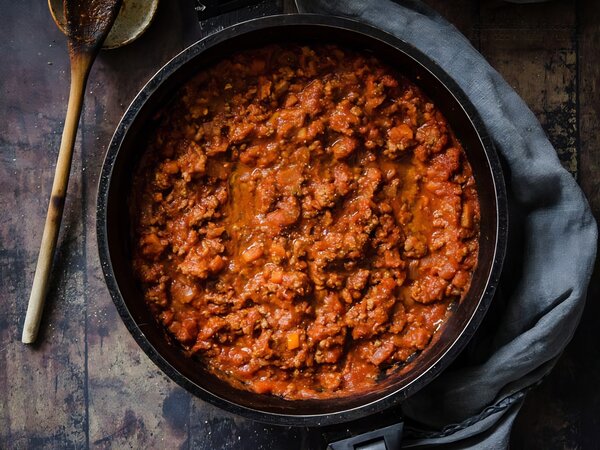
Easy Low-Carb Bolognese Sauce
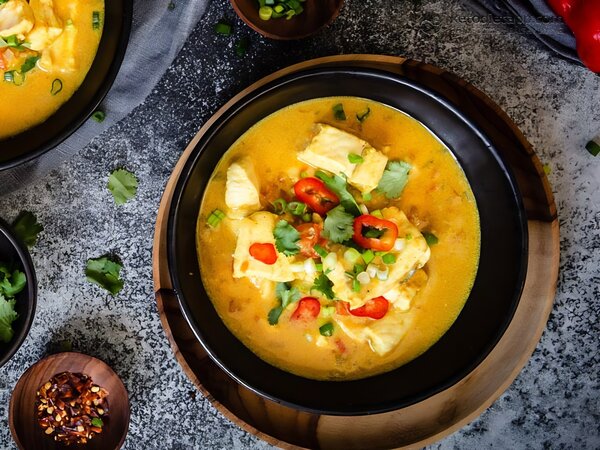
In-A-Hurry Fish Curry
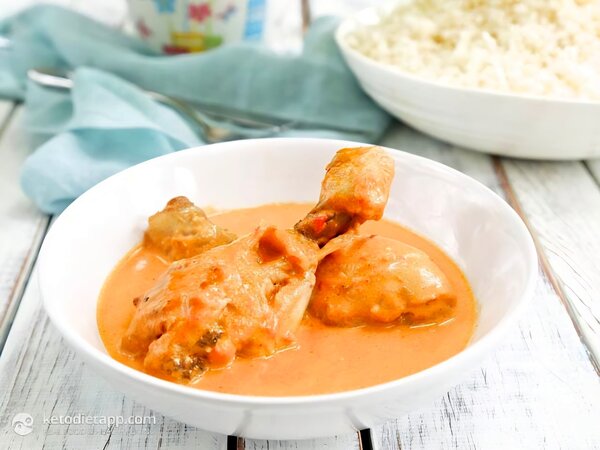
Easy Low-Carb Paprika Chicken
Super Simple Keto Chili
Low-Carb Chicken Paprikash Stew
Low-Carb Chicken Pesto Meatballs
Low-Carb Chicken Parmesan Skillet
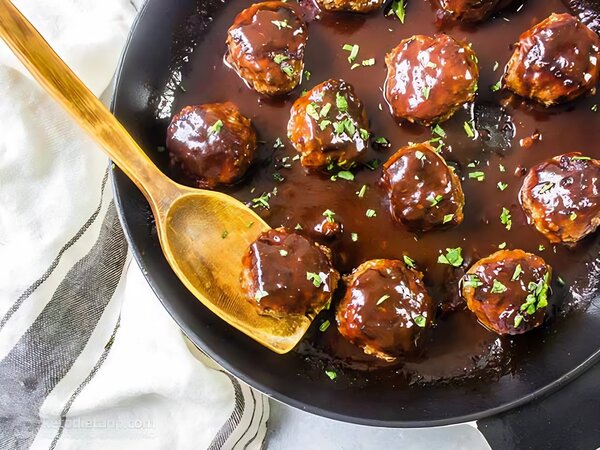
Keto BBQ Liver Meatballs
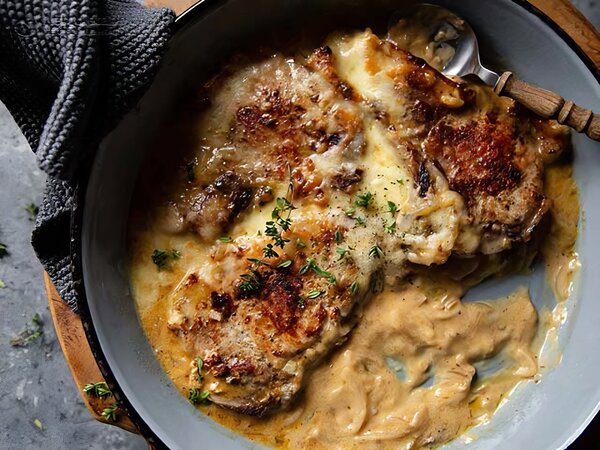
Seared Pork Chops with Creamy Cheese Sauce
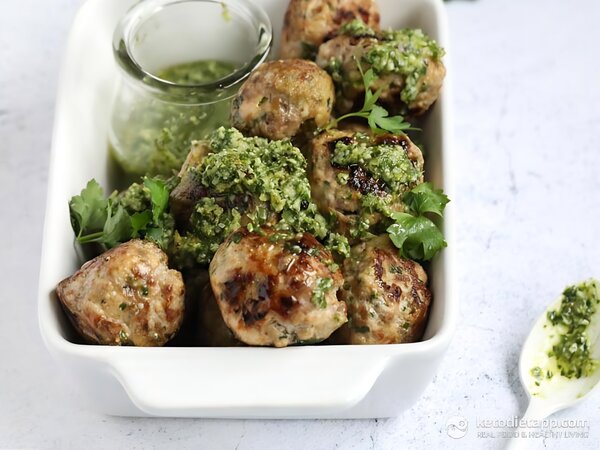
Keto Turkey Meatballs with Dairy-Free Pesto
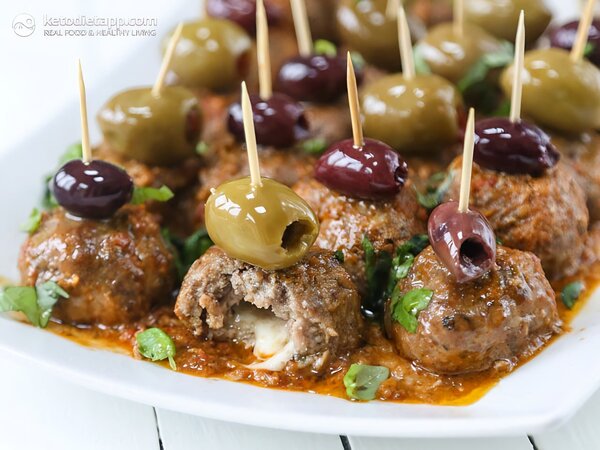
Low-Carb Cheese Stuffed Party Meatballs
Easy Low-Carb Marinara Meatballs
Low-Carb Chicken Cordon Bleu
Low-Carb Breton Chicken
You may also like
The Best Way To Cook Zucchini Noodles
Low-Carb Fennel Pesto Noodles
The Best Keto Spaghetti Pasta Noodles
How to Make and Cook Cauliflower Rice
Ultimate Keto Nut Butter
Low-Carb Curry Simmer Sauce
How To Cook Spaghetti Squash
Quick & Easy Pickled Onions
Gut-Healing Fermented Carrots
Roasted Cauliflower Mash
Simple Tomato Salsa (Pico De Gallo)
Savory Keto Veggie Loaf
Low-Carb Cauliflower Rice 3 Ways
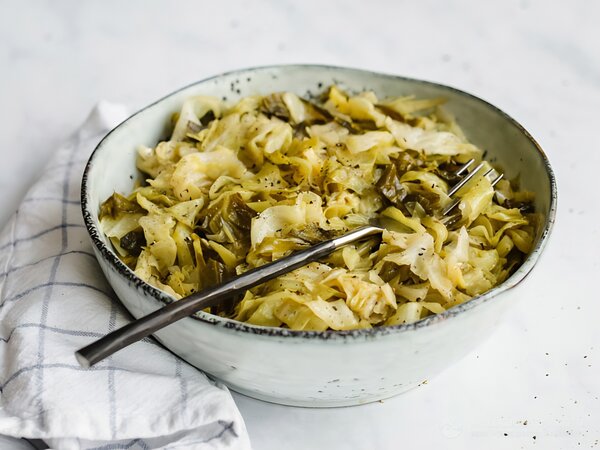
Easy Keto Cabbage Noodles
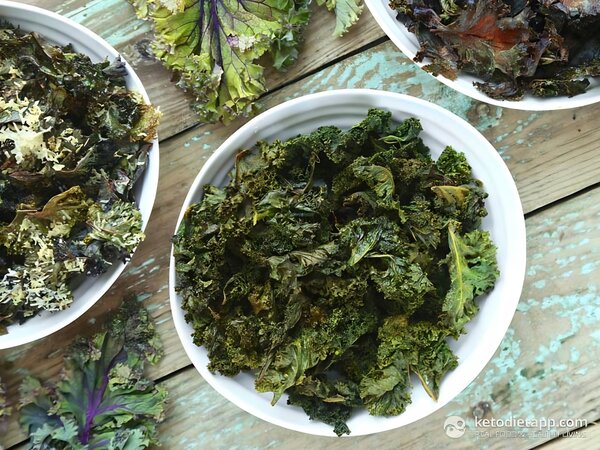
Foolproof Kale Chips Three Ways
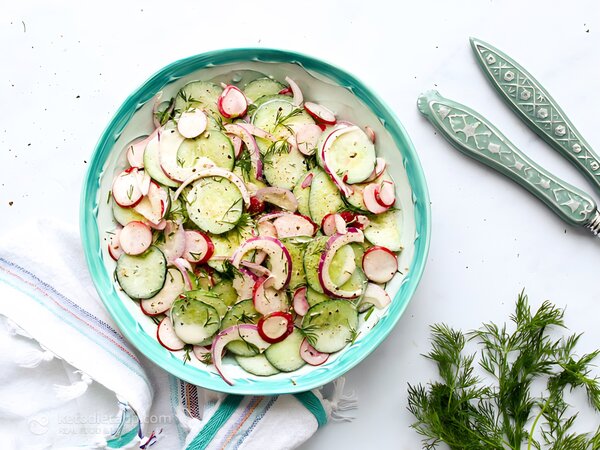
The Best Cucumber & Radish Salad
Comments & ratings (136)
I finally found a way to make these that gets rid of that icky rubbery bite!
I boil as usual, then add a couple of tablespoons of baking soda to the water. This pulls some of the moisture back out of the noodles making them less turgid. You should actually see them shrivel up a little. If they don't start to shrivel add a little more baking soda. Rinse well in hot water, then fry them in an oiled pan. I like to brown them slightly.
They make great mac n cheese and spaghetti. Unfortunately, after all that experimentation, I found I couldn't tolerate that much fiber.
Thank you Jill, that's excellent, I will need to try this! I prefer other options like palmini noodles but do use shirataki noodles, mostly in stir-fries.
Noodles came out perfectly. I’ve never had them before & was a bit scared, but they had no smell, no taste (lol) and we’re the texture of Al dente/crunchy noodles..if that makes sense? They were the perfect noodle substitute for my low carb eating plan. 😊 Thanks!!
Hello,
I was wandering how long they will keep in the fridge after following the steps above?
A week for sure, shirataki noodles (if left plain) will last for a while!
The texture of shirataki noodles reminds my family of calamari, which my kids really love, so I’m in luck that my family really doesn’t mind the texture, even as a pasta substitute in mac & cheese! Though I’ll definitely try your suggested prep instructions and maybe we’ll all enjoy it that much more!
My question is, when a recipe calls for a certain number of ounces of, say, elbow noodles, how many ounces of shirataki noodles should I substitute? A 10-oz package of regular elbow noodles comes dry, and therefore the noodles will increase in weight/volume once boiled. But shirataki noodles come wet, so I’m guessing I should use more ounces of shirataki to get the same volume as I would get with dry pasta, but I’m not sure by how much.
To replace 10 oz dry elbow noodles, do you think I should use as much as 15 oz or even 20 oz shirataki noodles? Any thoughts or experience with this?
I'd go by what you would typically use per serving. This is 100-200 grams of shirataki pasta per serving (depending on how many other ingredients there are and if there are any veggies for bulk). Shirataki pasta is not a nutritious option so I bulk it up with veggies to get some more nutrients in the meal. I'd definitely keep the amount low.
My OH and I are doing a 3 month 800 calorie diet to reverse diabetes (Like the Newcastle diet). I prepare high-protein low-carb 200 calorie meals and have found konjac noodles to be really helpful in bulking out the meals and keeping us fuller for longer. The key to making them palatable is cutting them into short strands and not having too much. We share one pack between two. Mixing them with other veg helps too - we have shredded cabbage for stir fries, spiralised courgettes for pasta and cauli rice for curry - all mixed with a little konjac. Diet has been surprisingly successful.
Im going to try this. I want to like shirataki noodles but the smell really puts me off, and a bit more texture would help too.
This technique doesn't work at all. The noodles are still so chewy it hurts my teeth to chew them up. I can't bite through them. I really want to like them but this does not make them soft. I'm so sad.
I think it depends on your expectation - they will never taste just like pasta. Like many others I do find this method to significantly improve the texture. There are always low-carb pasta products which may be a better option for you.
I recently bought these to try because I have Celiac Disease and have been looking for angel hair pasta. I followed the directions on the package but instead of boiling them I rinsed them thoroughly and microwaved them (I have 2 jobs so it's easier to cook before going to the 2nd job) and found that it's the texture that I can't deal with. I'm going to try to do it this way and hopefully this works!
Hi Jessica, if shirataki noodles are not your thing, you may enjoy these noodles: Low-Carb Baked Feta Pasta
I made these noodles (spaghetti/ramen variety) and they are a PERFECT substitute for the Israeli couscous in our favorite chicken soup. On the suggestion of others, I did cut them up after boiling (boiled for 10 minutes and another 10+minutes once added to my soup). Thank you!
sign me up
My boyfriend was so surprised these were keto! I used a heavy whipping cream sauce and Italian sausuage!
Only complaint is how sticky they are 😞 almost impossible to separate rate and mix them with other stuff. Any ideas how to fix this?
Hi Samantha, a bit of oil such as olive oil or ghee will keep them separate so maybe when you add them to the pan to cook, add a dash of oil. I hope this helps!
I’ve been eating Shiratake noodles for several years now and I found that one way to get past the rubbery texture is to put them on a cutting board and chop them into smaller pieces before frying. First I rinse them in a strainer, use a small bowl to press the water out of them, chop them up on a cutting board, then pan fry them up for a minute or so. I use them for everything, mostly stirfry, but I also put them in spaghetti. Cook them in the sauce and until it thickens to a baked texture. Then add Parmesan!
That's a fantastic suggestion Caryne, thank you!
So this makes it so you don't have to chew them which is the whole problem. They can't be chewed no matter how you cook them. Teeth don't go through them. 🤣
The only way these noodles are acceptable is if I combine them with real Top Ramen noodles and eat in a soup. Otherwise the fake noodles are too rubbery to enjoy.
Omg I sooo sooo soo love Shirataki noodles,
I rinse them, quickly heat, some butter and salt on the top 👌🏻
Or then I just rinse them and enjoy em cold, straight from the package ❣️❣️
These are a new discovery for me..... I definitely do not like the fettuccini style. Love the rice version. I purchased Miracle Noodle brand. Sent those and other styles and flavors (ziti, angel hair, spinach flavored) to my daughter last week to try and the jury is still out.
I've tried the pan rinse then pan fry method. Ick. Can't stand the texture. However, what I did do, and LOVE, is rice cut the fettuccini (in my chopper). I rinsed both that and the pre packaged rice. Boil each package in water the microwave for 8 minutes. Rinse and drain again. No smell, decent texture.
I make my own yogurt so I've been adding 1/2 package of the rice style (or my cut up fettuccini) to my yogurt. It's a great filler, absorbs the taste of the yogurt (I make different flavors with my own flavoring and/or berries), and keeps me full. I do not add chia seeds to the yogurt at the same time (I normally add 1 Tblspn. and let it sit for about an hour before eating). Definitely OVERFULL with both.
If nothing else, I've found a great extender for my yogurt, and they pick up the sweet taste so I'll keep using them for that at least until I figure out some other recipes I like.
I agree, the fettuccine are a bit too thick and chewy but the thin noodles and rice are great. I haven't tried the flavoured ones yet but I think I'll probably stick with plain because they are more versatile. Thanks for the tips Mary!
Great idea, to add to yogurt. I am keto so cannot use fruit or fruit juice. Do you ever use extracts and sweeteners to good effect? I used to make kefir, but found it hard to flavor up well.
Sorry but no matter how I have prepared them they still make me feel ill and I am sure they have a negative effect on my medications. Is there some other pasta/rice substitute out there that can be used instead.
That is something to be careful about, especially if you eat any konjak products, high-fibre foods or activated charcoal with medication, as they can reduce the effectiveness. How about zucchini noodles? I know they aren't like pasta but it's an option? I'm working on a keto pasta recipe but I'm not quite there yet.
Im sorry they made you ill though Im not suprised. The fiber in it will swell in your stomache. Its gery hard to digest ironically, and so can cause blockages. There are confirmed reports of death due to internal blockage of this particular noodle. No one needs to loose weight this bad. Simply eat sensibly.
Konjac noodles have twice as much fibre as regular pasta. Its fibre glucomannan, is banned in Australia. However it is not banned in its tablet form.
I appreciate your blog and expertise. But I have tried Shirataki noodles every imaginable way for 10 years. And they are just a little less rubbery than actual rubber bands. I’ve followed your technique exactly, also tried dry frying longer, boiling longer, dry fry then into 300 degree oven to dry more and many many other techniques. Still rubber bands.
Hi Nick, the taste can be really close (especially after someone in the comments suggested adding vinegar or lemon juice into the pot with water). As for the texture, the noodles will never have the exact same texture as rice noodles or other grain noodles. The tips above help but won't make it exactly the same. This applies to all low-carb ingredients: almond flour vs regular flour, low-carb sweeteners vs sugar, etc, although some of these alternatives do taste like the real deal.
Thank you!! I tried these noodles awhile ago and prepared them according to the package directions and did not like the texture at all. Your method makes them much more enjoyable! I'm glad I'll be able to satisfy the noodle craving with something other than zoodles once in a while.
Thank you Nikki! A reader suggested boiling them in lemon juice or vinegar and I can confirm that adding 1-2 tablespoons of vinegar to the pot made a difference 😊
I was wondering if it blocks medications wouldnt it also block some of the nutrients contained in the vegtables you add to the shirataki when it is consumed....vitamins and essential minerals contained in the veggies would presumably be blocked also..
Yes, that is a good point. It may partially reduce the nutritional value of other foods so it should not be consumed on a daily basis.
I'd also recommend letting them sit in a bowl of water with a couple squirts of lemon juice before frying them up. There is no smell after that!
Thanks for the great tip Gemma!