Caffeine on a Ketogenic Diet: Friend or Foe?
 Franziska Spritzler, RD, CDE
This post may contain affiliate links, see our disclaimer.

Caffeine is one of the most popular ingredients worldwide. Although it provides many benefits, caffeine can have negative effects as well. Whether caffeinated beverages are mostly helpful, potentially counterproductive, or neutral for people on keto or low-carb diets is somewhat controversial. This article explores caffeine's effects on health in the context of a carb-restricted diet and makes recommendations for consuming it in a way that maximizes benefits while minimizing side effects.
What is Caffeine, and How Does It Work?
The scientific name for caffeine is 1,3,7-trimethylxanthine. Caffeine is the most common stimulant in the world, consumed by an estimated 80% of people worldwide and 90% of Americans on a daily basis (1Trusted sourceWiley Online LibraryWiley Online Library offers over 1,600 peer-reviewed journals in medicine, food science and more.Open link, 2Trusted sourceWiley Online LibraryWiley Online Library offers over 1,600 peer-reviewed journals in medicine, food science and more.Open link).
Caffeine vs Other Stimulants

Although some consider it a psychoactive drug because it stimulates the central nervous system (CNS), caffeine's mechanism is different from that of cocaine and other stimulants. These stimulants work primarily by binding to the dopamine transporter. Dopamine is a neurotransmitter (chemical messenger that transmits signals between nerve cells in the brain) that allows us to perceive pleasure, excitement, and reward. When cocaine binds to the dopamine transporter, it prevents the removal of dopamine from the nervous system, thus amplifying its effects.
By contrast, although caffeine enhances dopamine activity, it works by blocking the effects of another neurotransmitter called adenosine, which causes relaxation and sleepiness. By binding to the brain's adenosine receptors, caffeine allows us to remain awake and alert (2Trusted sourceWiley Online LibraryWiley Online Library offers over 1,600 peer-reviewed journals in medicine, food science and more.Open link).
Which Foods, Beverages and Medications Contain Caffeine?

Although caffeine occurs naturally in tea, chocolate, kola nut, and other plant foods, it's most often associated with coffee. In fact, its name comes from the German word “kaffee” and the French word “cafe,” both of which translate to “coffee.” Certain pain relievers: 30-65 mg (check labels for caffeine content)
Here is a list of the caffeine content in commonly consumed foods and beverages. In general, coffee from Starbucks and other coffee houses tends to be higher in caffeine than coffee brewed at home.
Caffeine Content in Coffee and Tea
Values per 8 fl oz (240 ml), except where noted:
- Coffee, brewed: 100-180 mg
- Coffee, instant: 27-73 mg
- Coffee, decaffeinated: 3-15 mg
- Espresso: 60-75 mg per shot (30 ml)
- Black tea: 40-120 mg
- Green tea : 30-50 mg
- Yerba Mate tea: 65-130 mg
Caffeine Content in Other Beverages
- Cocoa powder: 12 mg per tablespoon
- Soft drinks: 35 to 55 mg per 12 ounces (350 ml)
- Energy drinks (Monster, RockStar, RedBull, etc.): 140 to 240 mg per 16 ounces (480 ml)
- 5-Hour Energy Shot: 200 mg per 2 ounces (60 ml)
The average US adult consumes about 4 mg of caffeine per kg of body weight, which is 270 mg for a person weighing 150 pounds (68 kg) (3Trusted sourceWiley Online LibraryWiley Online Library offers over 1,600 peer-reviewed journals in medicine, food science and more.Open link). However, many people get much more than the average US adult, especially those who drink several cups of coffee daily.
Caffeine Increases Metabolic Rate and Promotes Fat Loss
Research has shown that caffeine promotes fat burning and helps suppress appetite, making it valuable for weight loss and maintenance (4Trusted sourceNational Center for Biotechnology InformationNCBI's mission is to develop new information technologies to aid in the understanding of fundamental molecular and genetic processes that control health and disease.Open link).

In controlled studies, it's been shown to boost metabolic rate by up to 13%, depending on the person and the dosage (5Trusted sourceNational Center for Biotechnology InformationNCBI's mission is to develop new information technologies to aid in the understanding of fundamental molecular and genetic processes that control health and disease.Open link, 6Trusted sourceOxford AcademicA department of the University of Oxford, Oxford University Press publishes the highest quality scientific journals.Open link, 7Trusted sourceOxford AcademicA department of the University of Oxford, Oxford University Press publishes the highest quality scientific journals.Open link).
In one study, people consumed 100 mg of caffeine every two hours for a total of 600 mg within 12 hours. During the study time period, lean adults burned an average of 150 extra calories, whereas formerly obese adults burned an extra 79 calories (7Trusted sourceOxford AcademicA department of the University of Oxford, Oxford University Press publishes the highest quality scientific journals.Open link).
Caffeine May Increase Ketone Levels
Additionally, emerging research suggests that caffeine may help boost ketone levels.

In a small study of 10 healthy adults, consuming breakfast with caffeine dosages of 2.5 mg per kg body weight and 5.0 mg per kg body weight increased blood ketone levels by 88% and 116%, respectively, compared to having breakfast without caffeine (8Trusted sourceResearchGateResearchGate is the professional network for scientists and researchers aiming to connect the world of science and make research open to all.Open link). For reference, this would be about 170-340 mg of caffeine for a person weighing 150 pounds (68 kg).
Importantly, this increase occurred when caffeine was included with a breakfast totalling 85 grams of carb. It would be logical to assume that this effect would be equivalent or greater in people following low-carb or ketogenic diets.
In fact, it might be interesting to conduct a few n=1 experiments by measuring changes in your own ketone levels after consuming different amounts of carbs with or without caffeine.
Caffeine and Blood Sugar
Overall, caffeinated beverages seem to be protective against diabetes. What's more, higher caffeine intake has been linked to greater diabetes risk reduction.
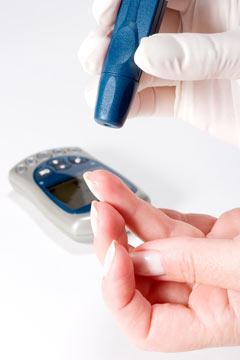
In a meta-analysis of 26 studies and over one million people in total, for every 2 cups of caffeinated coffee consumed per day, the risk of developing diabetes was reduced by 12%, and every 200 mg increase in daily caffeine intake was shown to reduce diabetes risk by 14% (9Trusted sourceSpringer LinkSpringer Link offers peer-reviewed research from the world's most trusted sources.Open link).
Two additional reviews suggest that coffee itself may help prevent type 2 diabetes, given that both caffeinated and decaffeinated coffee seem to provide similar risk reduction when consumed on a regular basis (10Trusted sourceNational Center for Biotechnology InformationNCBI's mission is to develop new information technologies to aid in the understanding of fundamental molecular and genetic processes that control health and disease.Open link, 11).
Conversely, other studies have found that caffeine raises blood sugar and insulin levels in both healthy people and those with diabetes or prediabetes (12Trusted sourceNational Center for Biotechnology InformationNCBI's mission is to develop new information technologies to aid in the understanding of fundamental molecular and genetic processes that control health and disease.Open link, 13Trusted sourceNational Center for Biotechnology InformationNCBI's mission is to develop new information technologies to aid in the understanding of fundamental molecular and genetic processes that control health and disease.Open link, 14Trusted sourceNational Center for Biotechnology InformationNCBI's mission is to develop new information technologies to aid in the understanding of fundamental molecular and genetic processes that control health and disease.Open link).
And unlike diabetes risk, this effect appears to be due to caffeine itself rather than another component of coffee, because decaffeinated coffee hasn't shown the same ability to raise blood sugar (14Trusted sourceNational Center for Biotechnology InformationNCBI's mission is to develop new information technologies to aid in the understanding of fundamental molecular and genetic processes that control health and disease.Open link).
However, it's possible that this response may occur mainly in people who aren't accustomed to consuming much caffeine.
One randomized, controlled study found that blood sugar and insulin levels didn't increase after prediabetic habitual coffee drinkers increased their daily intake to 5 cups of caffeinated coffee for 16 weeks. Indeed, their blood sugar levels were lower than the groups who drank decaffeinated coffee or no coffee at all (15Trusted sourceNational Center for Biotechnology InformationNCBI's mission is to develop new information technologies to aid in the understanding of fundamental molecular and genetic processes that control health and disease.Open link).
This suggests that after adapting to caffeine's effects over time, blood sugar and insulin response may possibly even improve from baseline, although this likely varies from person to person.
And once again, it's important to point out that these studies were conducted in people who were not following keto or low-carb diets, so the caffeine was coupled with high carb intake.
This is another case where n=1 testing can provide useful information about your own body's blood sugar response to caffeine.
Other Beneficial Effects of Caffeine
Caffeine Enhances Physical Performance

Several studies have shown that caffeine enhances the body's response to strength and endurance exercise (16Trusted sourceNational Center for Biotechnology InformationNCBI's mission is to develop new information technologies to aid in the understanding of fundamental molecular and genetic processes that control health and disease.Open link, 17Trusted sourceNational Center for Biotechnology InformationNCBI's mission is to develop new information technologies to aid in the understanding of fundamental molecular and genetic processes that control health and disease.Open link, 18Trusted sourceNational Center for Biotechnology InformationNCBI's mission is to develop new information technologies to aid in the understanding of fundamental molecular and genetic processes that control health and disease.Open link).
And contrary to popular belief, a recent study from July of 2017 found that heavy caffeine intake on a regular basis does not reduce the performance-enhancing benefits of high-dose caffeine prior to activity (19Trusted sourceNational Center for Biotechnology InformationNCBI's mission is to develop new information technologies to aid in the understanding of fundamental molecular and genetic processes that control health and disease.Open link).
Caffeine May Improve Mood

Research suggests that caffeine has positive effects on mood, alertness, and levels of fatigue (20Trusted sourceNational Center for Biotechnology InformationNCBI's mission is to develop new information technologies to aid in the understanding of fundamental molecular and genetic processes that control health and disease.Open link, 21Trusted sourceNational Center for Biotechnology InformationNCBI's mission is to develop new information technologies to aid in the understanding of fundamental molecular and genetic processes that control health and disease.Open link).
In one study of mentally fatigued adults, consuming a large dose of caffeine (5 mg per kg of body weight) was found to both increase endurance performance by 14% and improve mood (20Trusted sourceNational Center for Biotechnology InformationNCBI's mission is to develop new information technologies to aid in the understanding of fundamental molecular and genetic processes that control health and disease.Open link).
Caffeine May Protect Liver Health
Evidence from observational studies suggests that caffeine – particularly in the form of caffeinated coffee – may help protect against cirrhosis and fatty liver (22Trusted sourceNational Center for Biotechnology InformationNCBI's mission is to develop new information technologies to aid in the understanding of fundamental molecular and genetic processes that control health and disease.Open link, 23Trusted sourceNational Center for Biotechnology InformationNCBI's mission is to develop new information technologies to aid in the understanding of fundamental molecular and genetic processes that control health and disease.Open link).
Negative Effects of Caffeine
Unfortunately, caffeine also has some downsides. However, these responses are highly individualized and strongly influenced by the amount of caffeine consumed.
Here are some of the more common side effects of caffeine:
Caffeine Dependence
There's no denying that consuming caffeine on a regular basis can lead to dependence (24Trusted sourceNational Center for Biotechnology InformationNCBI's mission is to develop new information technologies to aid in the understanding of fundamental molecular and genetic processes that control health and disease.Open link). Indeed, withdrawal symptoms such as headache and occasionally nausea and vomiting typically occur in heavy caffeine drinkers after going several hours without caffeine (25Trusted sourceNational Center for Biotechnology InformationNCBI's mission is to develop new information technologies to aid in the understanding of fundamental molecular and genetic processes that control health and disease.Open link).
Anxiety
In a study in 25 healthy men, ingesting a modest dose of caffeine (3.5 mg per kg of body weight) prior to a stressful laboratory test increased levels of the stress hormones cortisol and epinephrine twice as much as ingesting a placebo. Moreover, effects were similar among those who regularly consumed coffee and those with less frequent intake (26Trusted sourceNational Center for Biotechnology InformationNCBI's mission is to develop new information technologies to aid in the understanding of fundamental molecular and genetic processes that control health and disease.Open link).
Keeping cortisol levels within normal range is important for good health and to prevent weight gain. Research has shown that elevated cortisol levels may increase appetite, food intake, and fat storage around the abdomen (27, 28Trusted sourceNational Center for Biotechnology InformationNCBI's mission is to develop new information technologies to aid in the understanding of fundamental molecular and genetic processes that control health and disease.Open link).
Insomnia

Because it stimulates the central nervous system and blocks release of brain chemicals that cause relaxation, caffeine can interfere with sleep in many people, especially when consumed later in the day. This occurs because its effects can remain in our system anywhere from 1.5 to 9 hours, with an average of 5 hours (29Trusted sourceNational Center for Biotechnology InformationNCBI's mission is to develop new information technologies to aid in the understanding of fundamental molecular and genetic processes that control health and disease.Open link).
Increased Heart Disease Risk in "Slow" Caffeine Metabolizers
A case-control study of more than 2,000 people found that high caffeinated coffee consumption was linked to increased risk of heart attack only in those with the CYP1A2 genotype, who are predisposed to being “slow” caffeine metabolizers (30Trusted sourceNational Center for Biotechnology InformationNCBI's mission is to develop new information technologies to aid in the understanding of fundamental molecular and genetic processes that control health and disease.Open link). Unlike “fast” caffeine metabolizers who eliminate the stimulant quickly, caffeine remains in the system of “slow” caffeine metabolizers longer. Another study showed that individuals with the CYP1A2 genotype are also more likely to see an increase in blood pressure after drinking caffeine (31Trusted sourceNational Center for Biotechnology InformationNCBI's mission is to develop new information technologies to aid in the understanding of fundamental molecular and genetic processes that control health and disease.Open link).
How Much Caffeine Is Optimal?
How much caffeine should you consume in order to boost your metabolism, potentially reduce risk for diabetes and other diseases, and improve your physical performance without experiencing undesirable side effects?
A large analysis of 41 studies found that 38–400 mg of caffeine per day seemed to maximize the benefits of caffeine while minimizing the likelihood of adverse effects (32Trusted sourceEurope PMCEurope PMC is an open science platform that enables access to a worldwide collection of life science publications and preprints from trusted sources around the globe.Open link).
This is roughly third of a cup to 4 cups of coffee per day, depending on how it's made and how strong it is.
Admittedly, this is a large range. Some people will do best at the lower end, whereas others may need to consume significantly more caffeine to experience the same results.
Keto-Friendly Caffeinated Beverage Options
Drinking your coffee or tea black or with a tablespoon or two of heavy cream and/or adding a healthy sugar-free sweetener will provide 0-2 grams of carb, making these ideal choices for people who follow keto or low-carb diets.
This is by far the best way to order caffeinated beverages at a coffee house. The next-best option would be adding half and half, which contains 1 gram of carb per tablespoon. Unsweetened almond or coconut milk are other good possibilities, but be aware that many coffee and tea places use sweetened versions of these alternative milks.

Be sure to steer clear of “Light” or “Skinny” drinks, which are typically made with nonfat milk and contain sugar or other high-carb sweeteners. For instance, a 16-ounce (475 ml) Starbucks Skinny Mocha contains 20 grams of net carb, and a 12-ounce (350 ml) Coffee Bean Tea Latte made with almond milk, coconut milk and no-sugar-added vanilla powder has 34 grams of net carb.
Instead, stick with the basics when ordering out, and at home try these healthy, delicious caffeinated beverage recipes that contain less than 5 grams net carb per serving:
- Bulletproof Coffee (with step-by-step guide): 0.1 gram net carb
- Ultimate Keto Coffee: a complete breakfast with 15 grams of protein and 3.1 grams net carb
- Keto Vietnamese Iced Coffee: 1.7 grams net carb
- Keto Pumpkin Spice Coffee: 4.9 grams net carb
- Low-Carb Chai Tea Latte: 3.6 grams net carb
- Keto Thai Iced Tea: 2.4 grams net carb
- Bulletproof Matcha Latte: 2.4 g net carbs
Keto-Friendly Decaf Beverage Options
If you avoid or limit the your caffeine intake, below are some keto-friendly decaf beverage options.
- Naturally decaf coffee options: chicory coffee or dandelion coffee
- Swiss water decaf coffee
- Decaf tea (herbal, rooibos, ginger tea, decaf green tea, decaf black tea)
You may also like
The Pyramid Just Flipped: Why the New "Real Food" Guidelines Change Everything
Is This the End of Erythritol? What This Study Means for Low-Carb Recipes
Beyond the Labels: A Fresh Take on Keto and 'Non-Keto' Foods
Is Erythritol Safe? Unpacking the Latest Research
The Coconut Controversy: Is Coconut Oil Really Healthy?
Sesame Seeds & Oil: Surprising Science of Sesame

Support for the Existence of Lean Mass Hyper-Responders
Are Sugar and Sweet Harmful?
High-Protein Diets: Is More Protein Actually Better?

What is the Carbohydrate Insulin Model?
Is Cholesterol Corrupted by the Dark Side?
The Truth About Flax and Other “Superfoods” & “Toxic” Foods

Is the New Mediterranean-Ketogenic Diet the Next Superdiet?
Should I Count Calories? What You Need To Know About Counting Calories
How Yo-Yo Diets Damage Metabolism and What to Do About It
The Fatome: What is the Best Source of Fat on a Ketogenic Diet?
Comments & ratings (18)
What about Matcha? It seems to have another kind of impact on BG and alertness etc. even if it contains caffeine, giving lots of pros with minimal when not at all cons. I've skipped caffeinse since suffering of high cortiso levels it made it worst and spiked my BG up, but I am frustrated because being also suffering of headhaches and low blood pressure I feel the difference, I'd consumed tea more than coffee for years but lately also black tesa gave me the described problems; simple green tea didn't improved anything; when I'd drunk matcha I noticed a prologed yet softed but continuous and "flat" state of calm alert (theanine, I suppose), but then I felt kind addicted to it. KI stopped drinkin it when I had been hospitalyzed for a long period for other health issues, and when came back home I just forgot to reorder it and then renounced because I was co nfused and scared by the idea of side effect of caffeine on my health. Now I miss the support some caffeine could give me, but...
So: could matcha be the first step to try reintroduce this friend/foe that may be caffeine?
I drink sugar-free redbull and its seems to make me stall on KETO. I drink 2 20oz drinks with has about 400mg of caffeine. I weight 265.
I also seem to be more regular without the redbull....less constipated.
Thoughts ?
I don't think there's any research about this, but it sounds to me like avoiding Red Bull would be best, based on your own experiences.
Coffee = nectar of the gods
Contrarily to common belief and as you chart shows, espresso has less caffeine than other coffees. And even less if made from 100% Arabica coffee beans as opposed to Robusta beans (there are different qualities within the Arabica beans, blends of verities and single origin). Starbucks and lowly establishments, use low quality Arabica bean, or mix them with cheap Robusta beans or just use the later and to top they over roast them. So if your hands jitters and you are not a slow caffeine metabolizer blame it on the kind of beans.
Thank you for this article, Franziska, it was extremely informative and well written. I have not found other material on this topic online with the same level of citation and clear, balanced presentation of recent evidence. I think you have elevated the discourse on caffeine and ketosis!
Thank you so much for the nice feedback, Colin!
I'm T2DM and my ability to go into ketosis has been impaired (BHB < 0.4 mmol/L) for the last 3 years no matter how much I restrict carbs or how many days I fast. I presume this is because my llver's gluconeogenesis has gone into uncontrolled overdrive (basically my liver is eating me and turning me into carbohydrate dinner that it feeds me). Recently, my ketosis would randomly ramp up to an insane degree (compared to the norm, not to the point of ketoacidosis) and then come to an abrupt stop. I've spent the last few weeks trying to find the cause and it came from a most unlikely hero: ROOBOIS TEA.
Has anyone else (T2DM or not) found that it helps with getting into ketosis?
John, I personally haven't heard that rooibos tea has this effect and haven't seen any studies suggesting that it would. Best wishes - Franziska
i find it interesting that someone on a keto diet would be eating 85 grams of carbs for breakfast. that seems quite high for a keto way of eating. this was under coffee may increase ketone levels.
Hi Jane, in that particular study people were not following a keto or low-carb diet, so it would be interesting to see what the effect of caffeine would be in people who did.
Hi Franziska,
With keto dieting being so popular, a lot of people doing keto are drinking plenty of caffeinated coffee. What I’m curious to know, though, is about the effects this is having on the adrenals. Do you have any insight?
Thank you,
Jill
Hi Jill,
Although it's true that too much caffeine can stress the adrenal glands, some people seem to be able to drink quite a bit without being affected in this way. Generally speaking, limiting caffeine intake to 400 mg or less per day is probably safe for adrenal health in most cases. Best wishes - Franziska
You didn't mention one of the big down sides and that's that the keto diet gives you the poops...and wen you couple that with coffee...your going to the bathroom every hour or so..and it's really quiet painfull
I've been on the Keto diet for some time now and BM is once a day as it was prior to Keto and I don't have any more trips to the bathroom than I had prior to Keto either.
I drink 2 cups of coffee each day as the liquid in my protein shakes. I literally haven't seen a single down side since changing to Keto other than I appear to be one of those Lean Mass Hyper Respondent's so my cholesterol skyrocketed to 320.
If you're new to Keto John then I'd say give it some more time. Your body just may be adjusting to the change and will settle down in time. If you've been on Keto for several months or longer than I'm not sure why you'd be experiencing these problems. I haven't experienced what you have so I'd guess it comes down to the individual.
Hi Martina,
great article! I had heard this before but was not sure what to think of it. This article explains it. I know there is a possibility of testing for the gynotype, but don't find any lab in Belgium. Do you know of any test available? Thank you!
Hi Sofie,
I'm so glad you liked my article and found it helpful!
You can order genetic testing from 23andMe, and although you will only receive raw data, that data can be entered into Prometheas, which will identify whether you have the genes for slow, intermediate, or fast caffeine metabolism.
Here is the link to 23andMe: https://www.23andme.com
Once you get your report back from 23andMe, enter the raw data into Prometheas (it's very easy to do, and the site will walk you through it): https://promethease.com.
Best,
Franziska
Thank you Franziska!
I really enjoyed this article, have had lots of similar discussions on yes and no to caffeine. I feel better drinking it, and I'm also diabetic type 2. I wish I had drank more coffee when I was younger. I liked the article and appreciate your being out there looking out for us all. Thank you.