Top 10 Low-Carb and Keto Sources of Vitamin C
 Franziska Spritzler, RD, CDE
This post may contain affiliate links, see our disclaimer.

Vitamin C plays several important roles in maintaining good health. However, depending on your food choices, following a keto diet could potentially lead to suboptimal vitamin C intake. This article discusses what vitamin C is, its functions, and provides 10 excellent sources for your keto or low-carb lifestyle.
What Is Vitamin C, and Why Do We Need It?
Vitamin C is technically known as ascorbic acid. Like the B vitamins, vitamin C is water soluble, meaning it dissolves in your bloodstream. Excess amounts are removed by your kidneys and excreted in urine. Vitamin C can't be stored in your liver or body fat, as the fat-soluble vitamins A, D, E, and K can. However, your body maintains high concentrations of vitamin C in your white blood cells, eyes, skin, adrenal glands, and brain.
Although many animals, including dogs and cats, can make their own vitamin C, humans and other primates cannot make their own vitamin C because we lack one of the enzymes necessary to convert glucose to vitamin C (1Trusted sourceNature ResearchNature Research is here to serve the research community by publishing its most significant discoveries—findings that advance knowledge and address some of the greatest challenges that we face as a society today.Open link). Therefore, it's considered an essential nutrient we need to get from our diet.
Functions of Vitamin C
Due to its role in immune function, vitamin C has a long-standing reputation for helping to prevent the common cold. However, there isn't any solid scientific evidence that it does. On the other hand, vitamin C serves many important functions in addition to boosting immunity, including:
- Providing powerful antioxidant protection
- Enhancing wound healing
- Maintaining healthy arteries and veins
- Helping synthesize collagen, the main protein in your skin, bones, cartilage, and ligaments
- Aiding in the creation of neurotransmitters, chemical messengers that transmit information within your brain and nervous system
- Boosting iron absorption from plant sources
Vitamin C helps maintain the integrity of your skin and intestinal tract to provide a barrier against toxins and contaminants. Suboptimal vitamin C levels have consistently been linked to impaired immunity and increased infection (2Trusted sourceNational Center for Biotechnology InformationNCBI's mission is to develop new information technologies to aid in the understanding of fundamental molecular and genetic processes that control health and disease.Open link). As a powerful antioxidant, vitamin C helps counteract free radicals, unstable molecules that can damage cells throughout your body.
Additionally, emerging research suggests that vitamin C supplementation may potentially be beneficial for neurological conditions like Alzheimer's disease and Parkinson's disease (3Trusted sourceNational Center for Biotechnology InformationNCBI's mission is to develop new information technologies to aid in the understanding of fundamental molecular and genetic processes that control health and disease.Open link) and in the prevention and treatment of certain cancers (4Trusted sourceNational Center for Biotechnology InformationNCBI's mission is to develop new information technologies to aid in the understanding of fundamental molecular and genetic processes that control health and disease.Open link).

What Are The Symptoms of Vitamin C Deficiency?
The optimal range for vitamin C levels in the blood is 0.6-2 mg/dl (11 - 114 µmol/L).
Severe vitamin C deficiency causes scurvy, a disease characterized by breakdown of connective tissue resulting in bleeding gums, loose teeth, swollen joints, severe bruising, and other symptoms. Although in the past it was fairly common in certain populations — such as sailors who spent months at sea without any fruits or vegetables — in the modern developed world, scurvy is extremely rare.
Symptoms of milder vitamin C deficiency include:
- Dry hair
- Rough, scaly skin
- Slow wound healing
- Increased bruising and petachiae (tiny hemorrhages in the skin)
- Frequent illnesses or infections
Recommendations for Daily Vitamin C Intake
Vitamin C recommendations for adults vary from country to country. In some cases, the recommended intake is higher for men than women based on differences in body size.
- UK: 40 mg for men and women (Recommended Dietary Allowance, RDA)
- Australia: 45 mg for women and men (Recommended Dietary Intake, RDI)
- Canada: 60 mg for women and men (Recommended Dietary Allowance, RDA)
- US: 75 mg for women, 90 mg for men (Recommended Dietary Allowance, RDA)
- Europe: 80 mg for women, 90 mg for men (Average Requirement, AR)
Because smoking causes loss of vitamin C, experts recommend that smokers consume an additional 35 mg per day. In the US, daily vitamin C recommendations for pregnant and breastfeeding women are 85 mg and 120 mg, respectively.
Do Keto Diets Provide Enough Vitamin C?
With the exception of liver and some less-commonly consumed organ meats, vitamin C is mainly found in plant foods. Unfortunately, some of the best sources of vitamin C are too high in carbs to be included in keto diets, such as oranges, mangos, guavas, and pineapples.
Recently, a few members of the online keto community have suggested that following a ketogenic diet dramatically reduces the amount of vitamin C your body needs, and that the recommended intakes are based on the needs of those who eat high-carb diets.
While this claim is interesting and potentially has some merit, at this point there isn't any high-quality evidence supporting the idea that people on keto diets can stay healthy long term without consuming any vitamin C.
Some have cited the experience of Dr. Vilhjalmur Stefansson, a researcher who lived on the traditional Inuit diet while exploring the Arctic and then volunteered to follow an all-meat (carnivore) diet for one year in New York to prove that the diet was healthy. However, his daily diet contained organ meats, including liver, brains, and kidney (5). As stated previously, unlike muscle meat, organ meats are a good source of vitamin C.
Fortunately, several other keto-friendly foods are also very high in vitamin C. What's more, many of these foods contain phytochemicals (literally “plant chemicals”) that have been linked to reduced disease risk (6Trusted sourceNational Center for Biotechnology InformationNCBI's mission is to develop new information technologies to aid in the understanding of fundamental molecular and genetic processes that control health and disease.Open link).
The 10 Best Low-Carb Keto Foods High Vitamin C
Here are the Top 10 keto-friendly foods rich in vitamin C, along with their calorie counts and macronutrient profiles.
The US Daily Value (DV) of 60 mg for vitamin C will be used as the reference value, taking into account that recommended intakes among different countries range from 40-90 mg per day.
1. Bell Peppers

Calorie for calorie, bell peppers are higher in vitamin C than any other food, including citrus fruits. In fact, depending on the color, one serving provides between 100-300% of your daily vitamin C requirement.
Nutrient Profile per 100 grams (3.5 ounces) of yellow, green and red pepper (7Trusted sourceUSDA FoodData CentralThe USDA's food composition data, maintained by its Agricultural Research Service.Open link, 8Trusted sourceUSDA FoodData CentralThe USDA's food composition data, maintained by its Agricultural Research Service.Open link, 9Trusted sourceUSDA FoodData CentralThe USDA's food composition data, maintained by its Agricultural Research Service.Open link):
- Yellow bell peppers: Calories: 27 kcal, Vitamin C: 184 mg (306% of the Daily Value, or DV), Carbohydrate: 6.3 grams, Fiber: 0.9 grams, Net Carbohydrate: 5.4 grams, Protein: 1 gram, Fat: 0.2 gram
- Red bell peppers: Calories: 31 kcal, Vitamin C: 128 mg (213% of the DV), Carbohydrate: 6 grams, Fiber: 2.1 grams, Net Carbohydrate: 4 grams, Protein: 1 gram, Fat: 0.3 gram
- Green bell peppers: Calories: 20 kcal, Vitamin C: 80 mg (133% of the DV), Carbohydrate: 4.6 grams, Fiber: 1.7 grams, Net Carbohydrate: 3 grams, Protein: 0.9 gram, Fat: 0.2 gram
How to include bell peppers in your diet:
Bell peppers make a tasty addition to a salad, omelet, stir fry, or crudité platter.
Also, be sure to check out these delicious recipes featuring bell peppers: Keto Chicken Fajitas, Philly Cheese Steak Salad and Creamy Low-Carb Red Gazpacho.
2. Kale

In addition to providing twice the Daily Value for vitamin C, kale is one of the cruciferous vegetables (also known as Brassica vegetables), which appear to protect against against breast cancer, colon, lung, and prostate cancer (10).
Nutrient Profile per 100 grams (3.5 ounces) (11Trusted sourceUSDA FoodData CentralThe USDA's food composition data, maintained by its Agricultural Research Service.Open link):
- Calories: 50 kcal, Vitamin C: 120 mg (200% of the DV), Carbohydrate: 8.8 grams, Fiber: 3.8 grams, Net Carbohydrate: 5 grams, Protein: 4.3 grams, Fat: 0.9 gram
How to include kale in your diet:
Kale can be consumed raw as part of a salad or smoothie, but many people find it most flavorful when sauteed in olive oil, coconut oil, butter, or ghee. In addition, individuals with thyroid disease should consume kale cooked most of the time, as this helps reduce goitrogens, substances that may interfere with thyroid function.
Our favorite kale recipes include 6-Ingredient Keto Pork Belly Kale, Spicy Keto Salmon Burgers with Lemony Kale, and Keto Kale Caesar Salad.
3. Broccoli

Broccoli provides more than 100% of your vitamin C requirement for very few calories and carbs. Like kale, it's a member of the cruciferous vegetable family.
Nutrient Profile per 100 grams (3.5 ounces) (12Trusted sourceUSDA FoodData CentralThe USDA's food composition data, maintained by its Agricultural Research Service.Open link):
- Calories: 20 kcal, Vitamin C: 65 mg (108% of the DV), Carbohydrate: 7.2 grams, Fiber: 3.3 grams, Net Carbohydrate: 3.9 grams, Protein: 2.4 grams, Fat: 0.4 gram
How to include broccoli in your diet:
Broccoli is easier to digest when cooked. Steaming or roasting broccoli helps preserve its vitamin C content, whereas boiling it may cause a significant loss. Broccoli is a wonderful accompaniment to fish, steak, chicken and other meats.
Here are a few popular recipes featuring broccoli: Low-Carb Garlic & Lemon Roasted Broccoli, Chipotle Prawn Broccoli Salad, and Low-Carb Cream of Broccoli & Coconut Soup.
4. Sugar Snap Peas

Although they contain the word “sugar” in their name, sugar snap peas are low in carbs, unlike round garden peas (also known as English peas). One serving of sugar snap peas exceeds the Daily Value for vitamin C.
Nutrient Profile per 100 grams (3.5 ounces) (13Trusted sourceUSDA FoodData CentralThe USDA's food composition data, maintained by its Agricultural Research Service.Open link):
- Calories: 41 kcal, Vitamin C: 64 mg (107% of the DV), Carbohydrate: 7 grams, Fiber: 2.4 grams, Net Carbohydrate: 4.6 grams, Protein: 2.4 grams, Fat: 0 gram
How to include sugar snap peas in your diet:
Sugar snap peas must be cooked before being eaten. They are often stir-fried with other vegetables.
For a tasty Indonesian “fried rice” dish that includes sugar snap peas, try Low-Carb Vegetarian Nasi Goreng, Salmon & Tabbouleh Low-Carb Bowl, and Low-Carb Chicken, Chorizo & Avocado Salad.
5. Brussels Sprouts

Brussels sprouts are another cruciferous vegetable that can help you meet your vitamin C requirement while staying within your daily carb limit.
Nutrient Profile per 100 grams (3.5 ounces) (14Trusted sourceUSDA FoodData CentralThe USDA's food composition data, maintained by its Agricultural Research Service.Open link):
- Calories: 36 kcal, Vitamin C: 62 mg (103% of the DV), Carbohydrate: 7.1 grams, Fiber: 2.6 grams, Net Carbohydrate: 4.5 grams, Protein: 2.6 grams, Fat: 0.5 gram
How to include Brussels sprouts in your diet:
Brussels sprouts require cooking before being consumed. Baking or roasting them in olive oil, butter or ghee brings out their delicate flavor.
Our favorite keto recipes featuring Brussels sprouts include Buttered Brussels Sprouts and Brussels Sprouts and Bacon Hash.
6. Strawberries

Because they contain less sugar than most other fruits, berries can be included on keto diets in small quantities. Strawberries are rich in vitamin C, low in calories, and fairly low in net carbs.
Nutrient Profile per 100 grams (3.5 ounces) (15Trusted sourceUSDA FoodData CentralThe USDA's food composition data, maintained by its Agricultural Research Service.Open link):
- Calories: 32 kcal, Vitamin C: 59 mg (98% of the DV), Carbohydrate: 7.7 grams, Fiber: 2 grams, Net Carbohydrate: 5.7 grams, Protein: 0.3 gram, Fat: 0.7 gram
How to include strawberries in your diet:
Strawberries are a delicious, naturally sweet dessert on their own or topped with heavy cream.
You might also want to try keto-friendly Strawberry Breakfast Chia Jars, Roasted Strawberry & Goat Cheese Salad, and Strawberry & Rhubarb Crumble.
7. Kohlrabi

Kohlrabi is a vegetable many people aren't too familiar with. It's a type of cabbage that's white, pale green or purple in color, with a flavor sometimes described as a broccoli-radish hybrid. Kohlrabi is another member of the Brassica vegetable family.
Nutrient Profile per 100 grams (3.5 ounces) (16Trusted sourceUSDA FoodData CentralThe USDA's food composition data, maintained by its Agricultural Research Service.Open link):
- Calories: 29 kcal, Vitamin C: 54 mg (90% of the DV), Carbohydrate: 6.7 grams, Fiber: 1.1 grams, Net Carbohydrate: 5.6 grams, Protein: 1.8 grams, Fat: 0.1 gram
How to include kohlrabi in your diet:
Although kohlrabi can be served either raw or cooked, it tends to taste better when heated and incorporated into other dishes, such as soups or stews.
This zesty, nutrient-dense Pork and Kohlrabi Stew is a fantastic keto dinner option.
8. Cauliflower

Cauliflower is rich in vitamin C and, like the other cruciferous vegetables, may help reduce cancer risk.
Nutrient Profile per 100 grams (3.5 ounces) (17Trusted sourceUSDA FoodData CentralThe USDA's food composition data, maintained by its Agricultural Research Service.Open link):
- Calories: 23 kcal, Vitamin C: 44 mg (73% of the DV), Carbohydrate: 4.1 grams, Fiber: 2.3 grams, Net Carbohydrate: 1.8 grams, Protein: 1.8 grams, Fat: 0.5 gram
How to include cauliflower in your keto diet:
Cauliflower is a staple food among many low-carb and keto dieters because of its ability to mimic the texture of several high-carb foods, including potatoes, rice, and pizza crust.
Be sure to check out these delicious low-carb cauliflower recipes: The Best Cauliflower Keto Cheese, Golden Low-Carb Crumbed Cauliflower, and Spicy Cauliflower Soup.
9. Red Cabbage

Red cabbage is the final Brassica vegetable on the list, and it provides slightly more than half the Daily Value for vitamin C.
Nutrient Profile per 100 grams (3.5 ounces) (18Trusted sourceUSDA FoodData CentralThe USDA's food composition data, maintained by its Agricultural Research Service.Open link):
- Calories: 29 kcal, Vitamin C: 34 mg (57% of the DV), Carbohydrate: 7 grams, Fiber: 2.6 grams, Net Carbohydrate: 4.4 grams, Protein: 1.5 grams, Fat: 0.1 gram
How to include red cabbage in your diet:
Red cabbage can be consumed raw as a salad or cooked. Like the other cruciferous vegetables, it contains goitrogens that may interfere with thyroid function in susceptible individuals. Therefore, cooking it before eating is recommended for those with thyroid disease.
Our favorite red cabbage recipes include Easy Keto Russian Slaw and Homemade Pink Sauerkraut.
10. Chicken Liver

Other than fish roe, beef kidney and pancreas, and traditional Inuit foods, chicken liver is the only animal food considered a good source of vitamin C. Beef, lamb, and other types of liver provide only a few milligrams of vitamin C per 100-gram serving. Chicken liver is also an excellent source of protein and contains only 1 gram of carb per serving.
Nutrient Profile per 100 grams (3.5 ounces) of cooked chicken liver (19Trusted sourceUSDA FoodData CentralThe USDA's food composition data, maintained by its Agricultural Research Service.Open link):
- Calories: 167 kcal, Vitamin C: 30 mg (50% of the DV), Carbohydrate: 1 gram, Fiber: 0 gram, Net Carbohydrate: 1 gram, Protein: 25 grams, Fat: 6.5 grams
How to include chicken liver in your diet:
Sautéing chicken liver in olive oil or butter enhances its delicate flavor.
For a delicious recipe featuring chicken liver and bacon, try Sweet & Spicy Chicken Liver Bites, Mom's Best Low-Carb Dumpling Soup, and Keto Chicken & Bacon Pâté.
You may also like
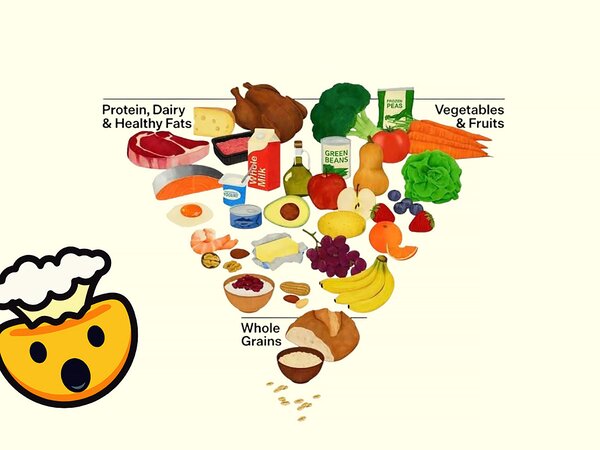
The Pyramid Just Flipped: Why the New "Real Food" Guidelines Change Everything

Is This the End of Erythritol? What This Study Means for Low-Carb Recipes
Beyond the Labels: A Fresh Take on Keto and 'Non-Keto' Foods

Is Erythritol Safe? Unpacking the Latest Research
The Coconut Controversy: Is Coconut Oil Really Healthy?
Sesame Seeds & Oil: Surprising Science of Sesame
Macadamia Nuts - King of Keto Nuts
Salmon: The Redder the Better

Can the Ketogenic Diet Help Patients with Binge Eating Disorder?

Support for the Existence of Lean Mass Hyper-Responders

Are Sugar and Sweet Harmful?
High-Protein Diets: Is More Protein Actually Better?
The Science of Cheese: All You Need To Know

What is the Carbohydrate Insulin Model?
Is Cholesterol Corrupted by the Dark Side?
Mediterranean Ketogenic Diet for Alzheimer’s Prevention - New Scientific Paper, April 2021
Comments & ratings (5)
These veggies are all raw weight, not cooked? Or some are & some others are cooked? Most are eaten cooked so I wondered.
Thx for clarifying
Hi Helene, thanks for asking! The values are actually a mix of raw and cooked foods, depending on the USDA data used for each vegetable. For example, the figures for bell peppers and kale are based on raw vegetables, while broccoli and Brussels sprouts use cooked values.
You're right that this is an important distinction, especially for vitamin C, which is sensitive to heat and can also be lost in cooking water. Steaming or lightly cooking vegetables generally helps retain more vitamin C than boiling them for a long time.
I'll look into making the raw and cooked values clearer in the article. Thanks for pointing this out!
How much Vit C is in fish roe, beef kidney and pancreas? Is there a link to “traditional Inuit foods”? Is all poultry liver good sources of Vit C?
Hi Helene! Vitamin C levels vary quite a bit between different organ meats. According to USDA data, per 100 g (3.5 oz), raw beef kidney contains about 9.4 mg of vitamin C, while raw beef pancreas contains about 13.7 mg. Chicken liver contains around 30 mg per 100 g when cooked, and turkey liver is another good source, with approximately 24.5 mg per 100 g when raw. Not all types of liver contain similar amounts.
Fish roe varies depending on the species. One study looking at traditional Inuit foods found approximately 50 mg of vitamin C per 100 g of raw whitefish eggs.
There's also an interesting study specifically on vitamin C in traditional Inuit diets, including fish eggs, organ meats and whale skin:
https://doi.org/10.1006/jfca.2002.1053
Keep in mind that these values depend on the specific food and how it's prepared. Vitamin C is sensitive to heat, so cooking can reduce the amount available.
Hope this helps clarify things!
Thanx for all the links! Great info.